Int J Stomatol ›› 2026, Vol. 53 ›› Issue (4): 526-536.doi: 10.7518/gjkq.2026228

• Original Article • Previous Articles    

Regulation of the progression of oral squamous cell carcinoma by 5-hydroxytryptamine receptor 2C via the Gαq/11-Yes-associated protein signaling pathway

Zhenyu Zhang(),Mei Huang,Hao Cui,Silu Sun,Xiaobo Luo,Lu Jiang,Yuchen Jiang()   

  1. State Key Laboratory of Oral Diseases & National Center for Stomatology & National Clinical Research Center for Oral Diseases & Chinese Academy of Medical Sciences Research Unit of Oral Carcinogenesis and Management & Dept. of Oral Medicine, West China Hospital of Stomatology, Sichuan University, Chengdu 610041, China
  • Received:2025-02-18 Revised:2025-12-23 Online:2026-07-01 Published:2026-06-25
  • Contact: Yuchen Jiang E-mail:zhenyuzhang7@outlook.com;jiangyuchen16@126.com
  • Supported by:
    National Natural Science Foundation of China(82002888)

Abstract:

Objective To investigate the regulatory effect of 5-hydroxytryptamine receptor 2C (HTR2C) on oral squamous cell carcinoma (OSCC) through the Gαq/11-Yes-associated protein (YAP) signaling pathway.Me-thods The TCGA database was used to analyze the expression of HTR2C in OSCC and normal oral tissues and its relationship with the overall survival rate of patients. The expression level of HTR2C was detected in OSCC tumor microarrays through immunohistochemistry, and the correlation between HTR2C and clinicopathological features was analyzed. HTR2C knockdown HN12 and UM1 cell lines were constructed, and the effects of HTR2C knockdown or its inhi-bitor (Puerarin) on the proliferation, migration, and invasion of OSCC cells were evaluated through cell counting kit-8, colony formation, wound healing, and Transwell assays. Western blot analysis, quantitative real-time polymerase chain reaction, and immunofluorescence were used to detect the expression and activation of the HTR2C-Gαq/11-YAP signaling pathway. The effect of HTR2C on the growth of OSCC was verified by using a subcutaneous xenograft model of OSCC in nude mice. Results HTR2C was significantly overexpressed in OSCC tissues, and its high expression was significantly associated with the poor prognosis of patients (P<0.05). In vitro experiments demonstrated that the knockdown of HTR2C or use of Puerarin significantly inhibited the proliferation and clonal formation, migration, and invasion abilities of OSCC cells (P<0.01), and the inhibitory effect of puerarin was dose-dependent. Mechanism studies showed that HTR2C knockdown inhibited YAP phosphorylation at Tyr357 and promoted YAP phosphorylation at Ser127 by reducing the phosphorylation of focal adhesion kinase and Cofilin, thereby inhibiting YAP transcriptional activity and decreasing the expression of its downstream target genes CYR61, CTGF, and AURKA (P<0.05). In vivo experiments confirmed that inhibiting the expression of HTR2C by using Puerarin could significantly inhibit the growth of OSCC xenograft tumors (P<0.000 1). This effect was achieved by regulating the YAP signaling pathway. Conclusion The high expression of HTR2C in OSCC was significantly associated with poor prognosis. HTR2C may regulate the proliferation, migration, invasion, and tumorigenesis of OSCC cells by activating the Gαq/11-YAP signaling pathway. This study suggests that HTR2C may be a potential therapeutic target for OSCC. However, further clinical research is needed to validate its findings.

Key words: oral squamous cell carcinoma, 5-hydroxytryptamine receptor 2C, q/11-Yes-associated protein signaling pathway, Yes-associated protein, Puerarin, tumor progression

CLC Number: 

  • R739.8

TrendMD: 

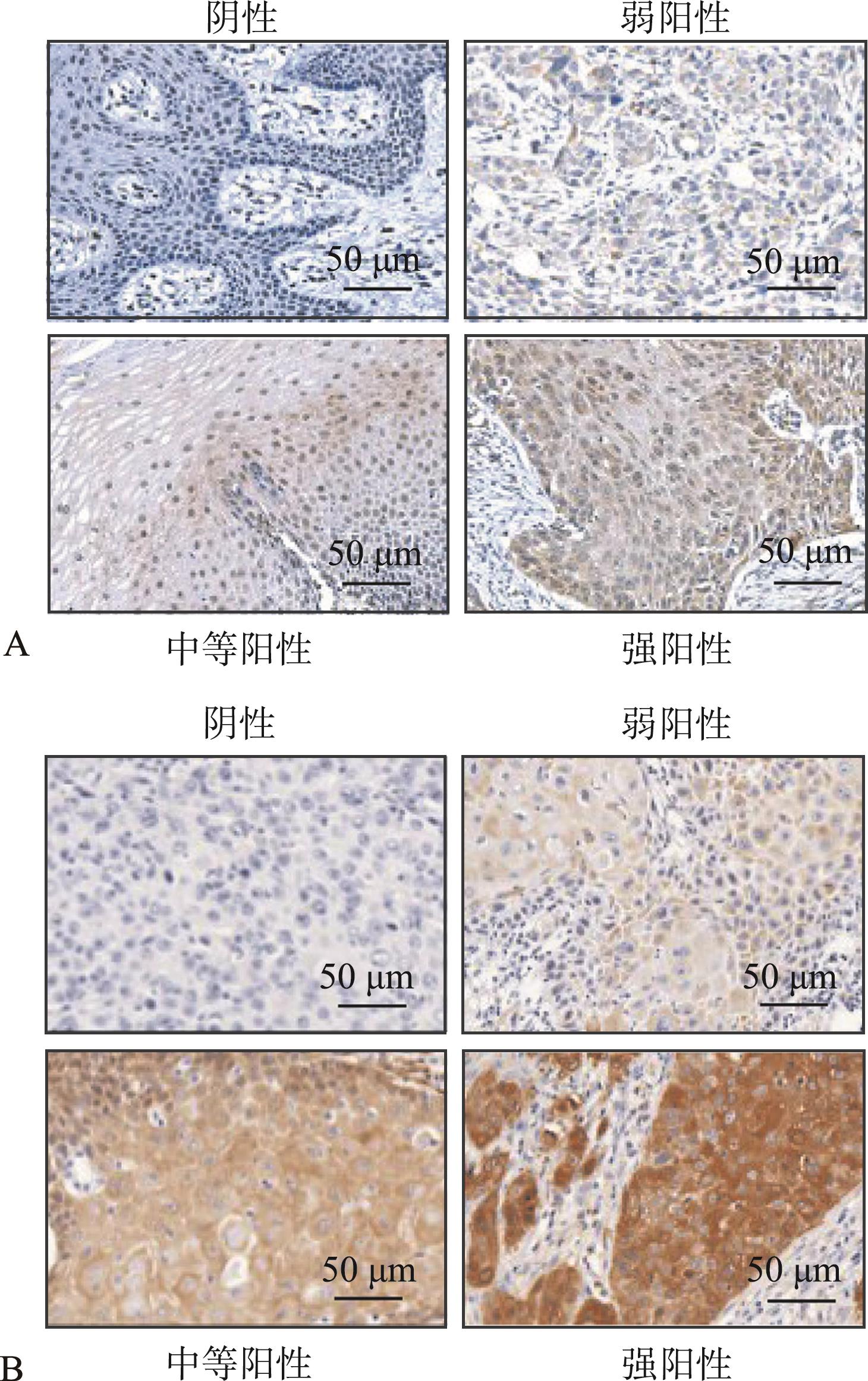
Fig 1

Representative IHC staining of HTR2C and YAP in OSCC and control tissues"

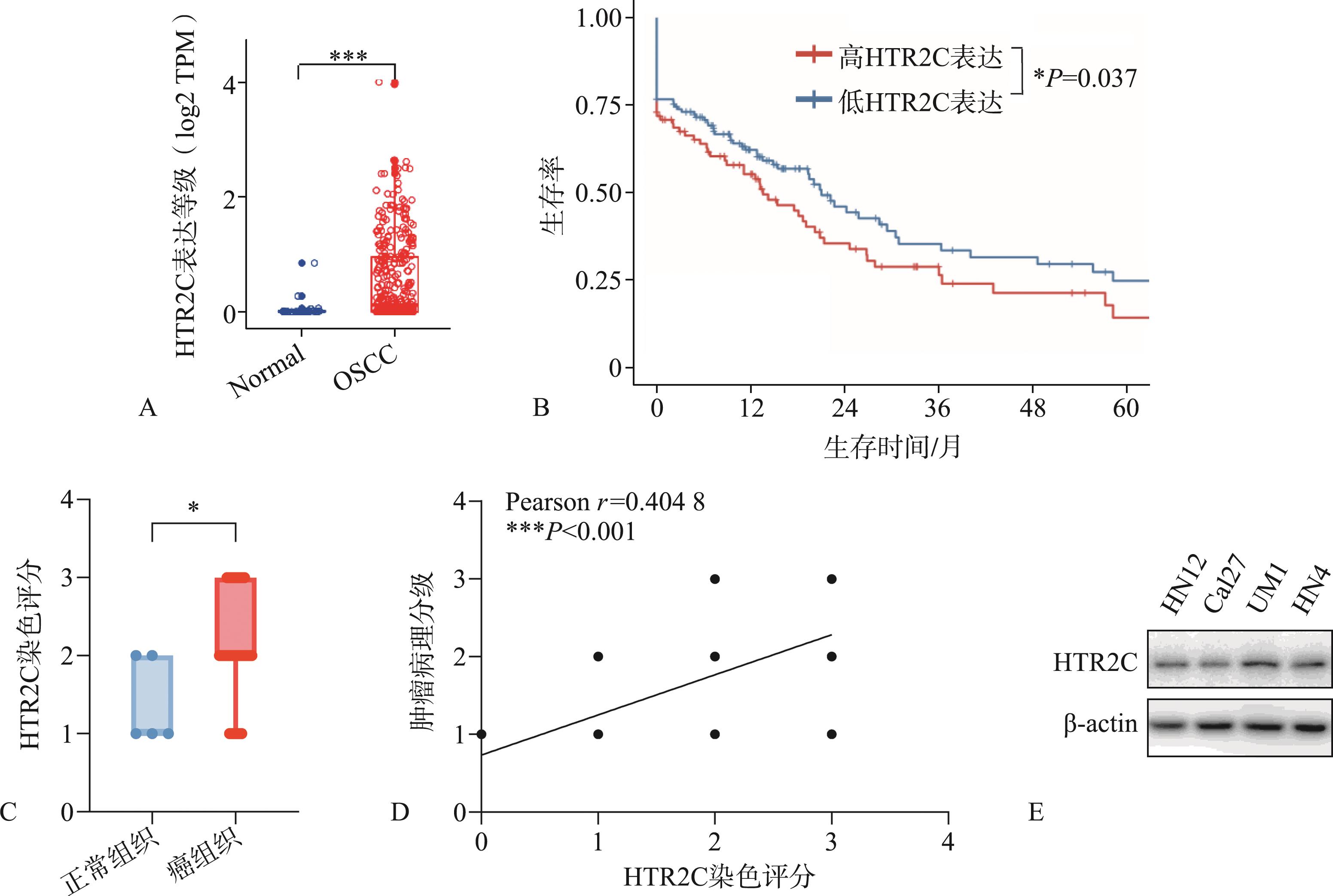
Fig 2

Expression of HTR2C in OSCC and its correlation with prognosis"

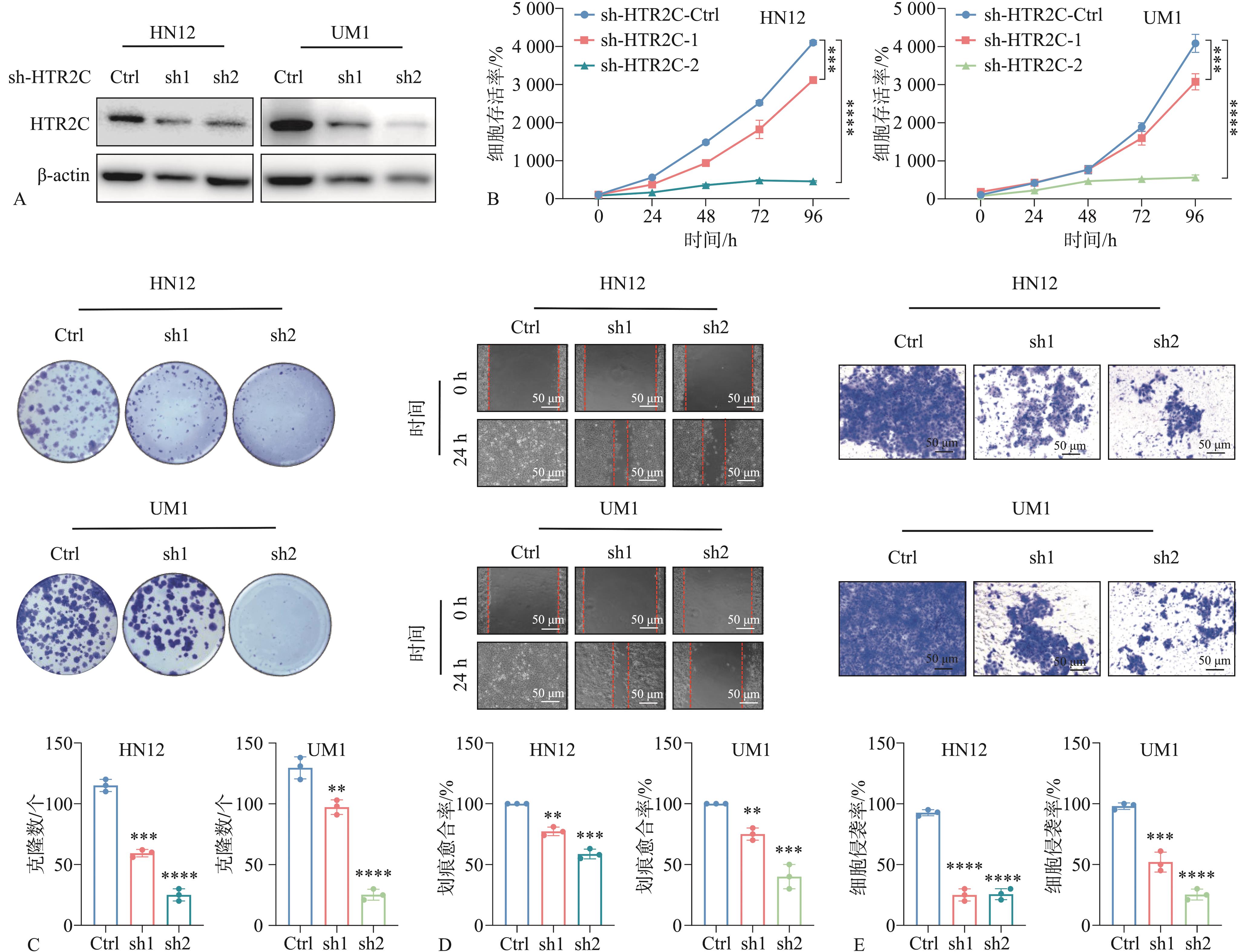
Fig 3

Knocking down HTR2C in vitro can significantly inhibit the proliferation, migration and invasion of OSCC cells"

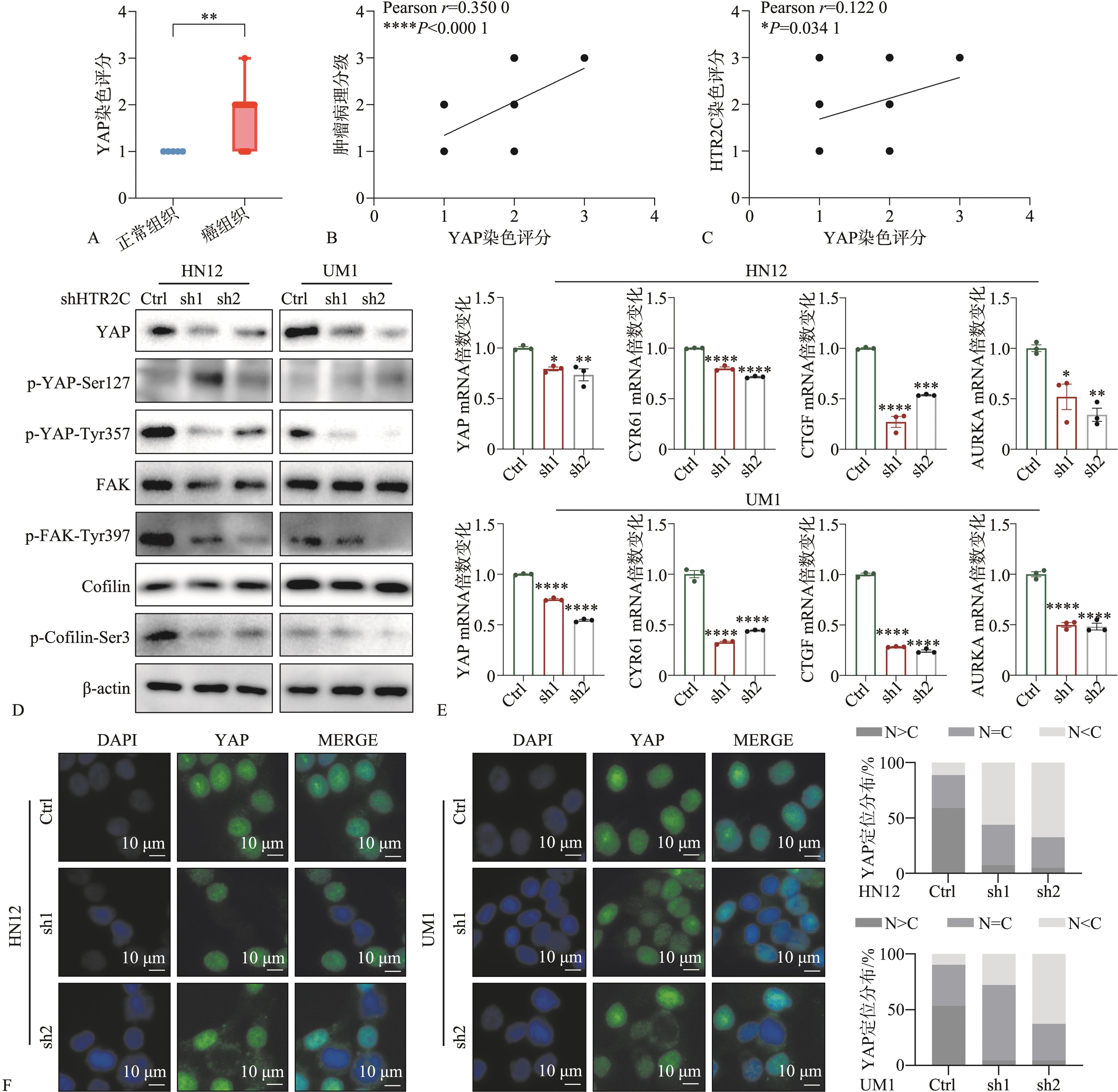
Fig 4

HTR2C promotes the malignant progression of OSCC cells by activating Gαq/11-YAP signaling pathway"

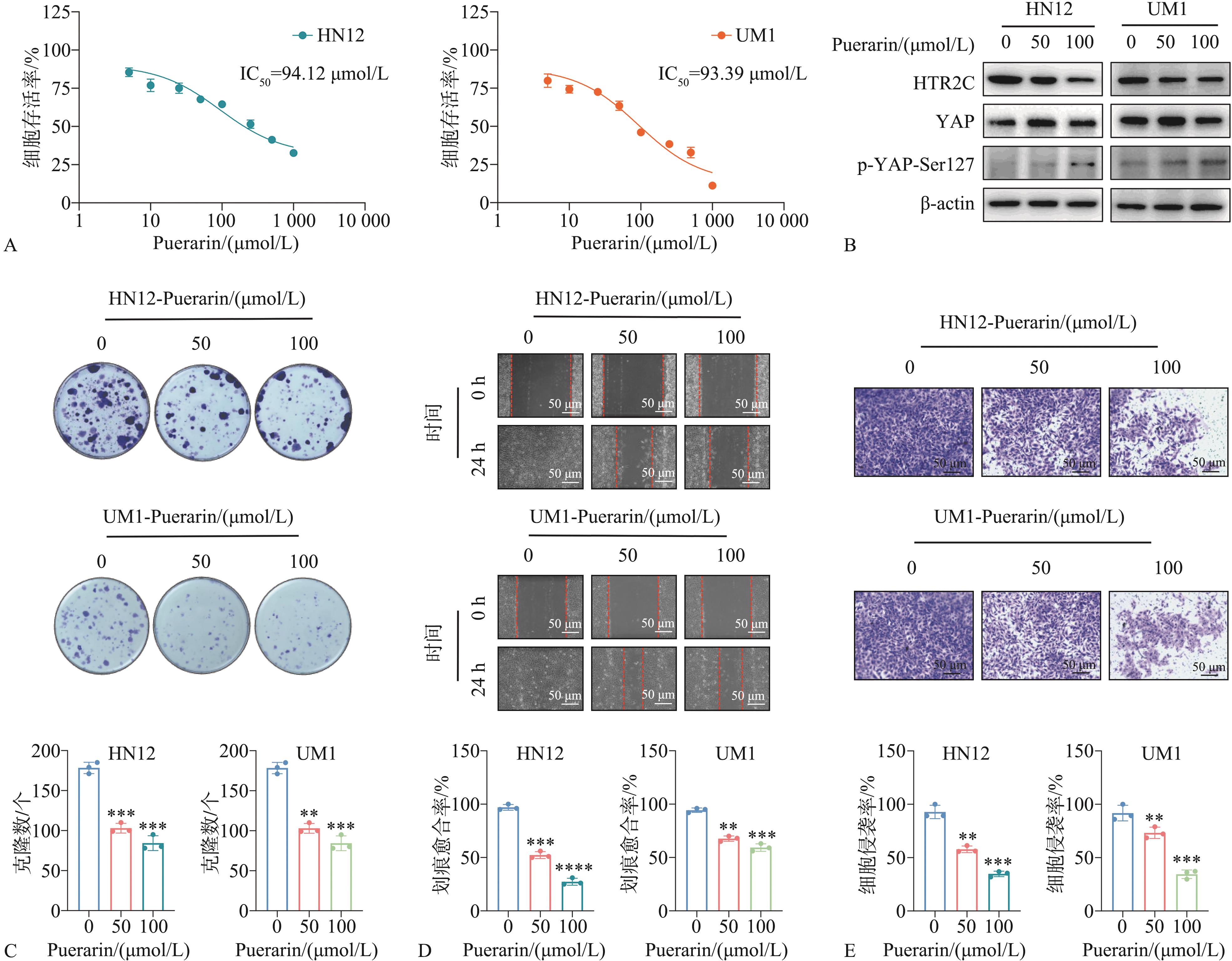
Fig 5

HTR2C inhibitor significantly inhibited the proliferation, migration and invasion of OSCC cells"

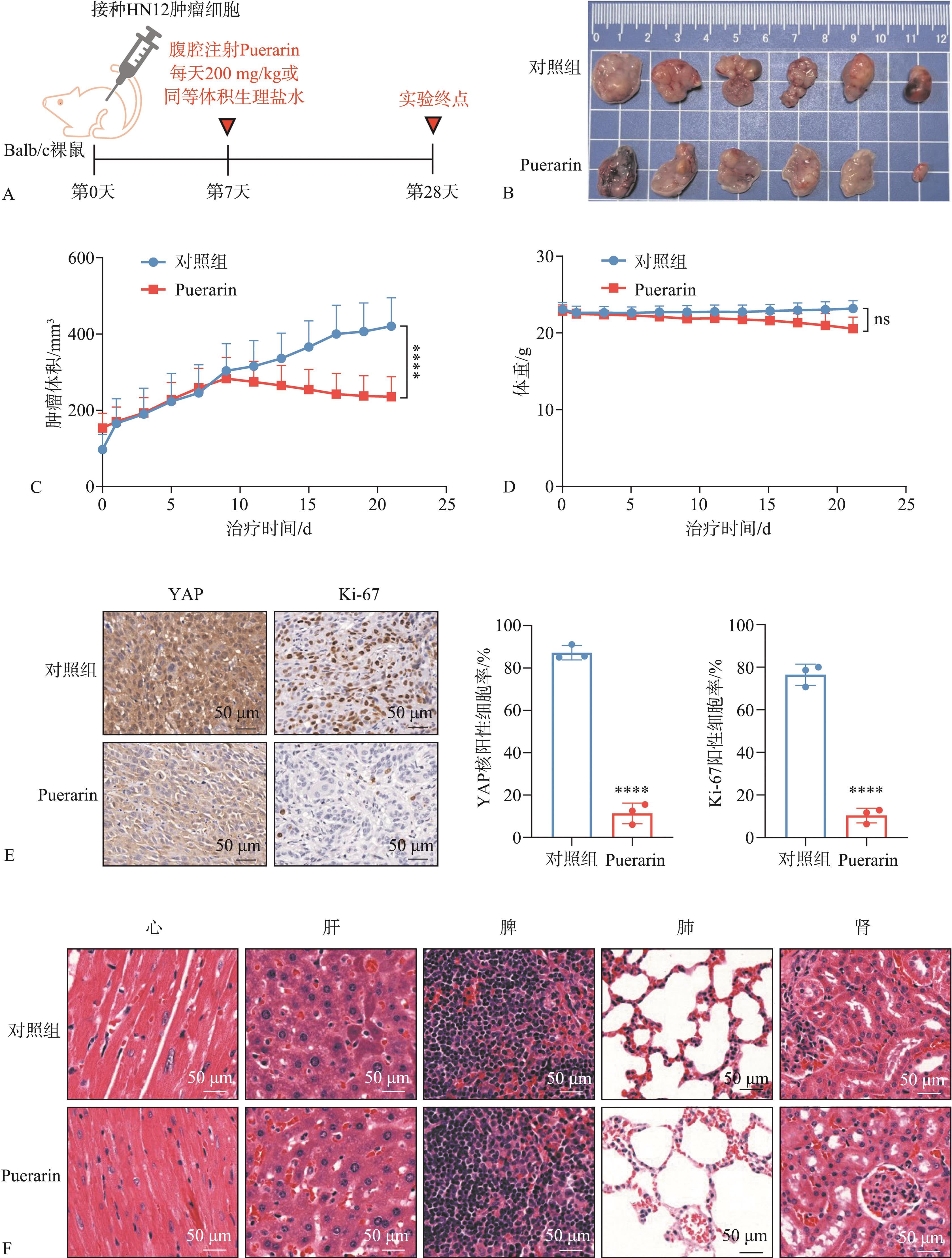
Fig 6

HTR2C inhibitor effectively inhibited the growth of subcutaneous xenograft tumors in vivo"

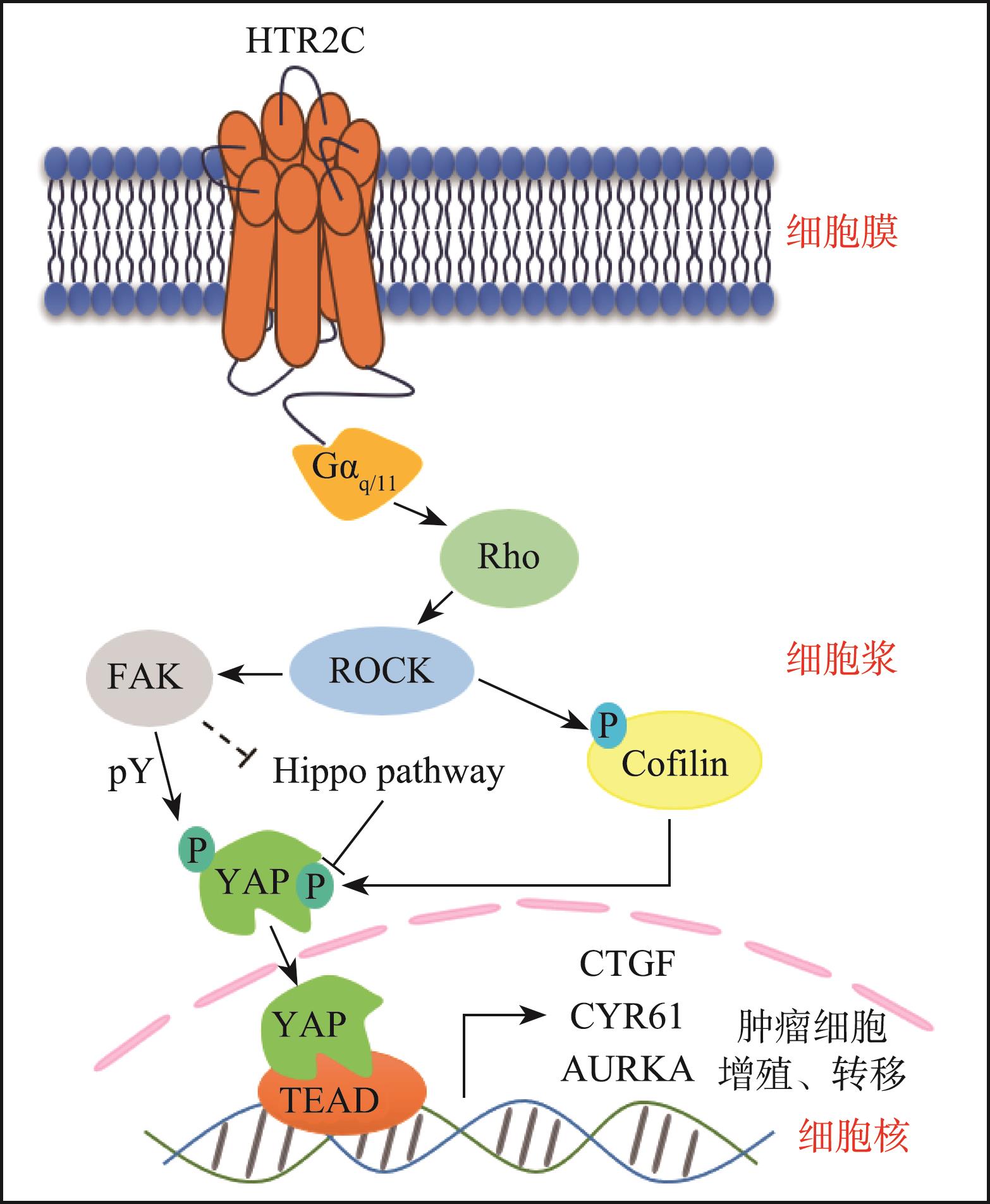
Fig 7

Schematic diagram of HTR2C in the regulation of the Gαq/11-YAP signaling pathway in OSCC"

[1] Mody MD, Rocco JW, Yom SS, et al. Head and neck cancer[J]. Lancet, 2021, 398(10318): 2289-2299.
[2] Chow LQM. Head and neck cancer[J]. N Engl J Med, 2020, 382(1): 60-72.
[3] Tan YH, Wang ZH, Xu MT, et al. Oral squamous cell carcinomas: state of the field and emerging directions[J]. Int J Oral Sci, 2023, 15(1): 44.
[4] Johnson DE, Burtness B, Leemans CR, et al. Head and neck squamous cell carcinoma[J]. Nat Rev Dis Primers, 2020, 6(1): 92.
[5] Gillison ML, Trotti AM, Harris J, et al. Radiotherapy plus cetuximab or cisplatin in human papillomavirus-positive oropharyngeal cancer (NRG Oncology RTOG 1016): a randomised, multicentre, non-inferiority trial[J]. Lancet, 2019, 393(10166): 40-50.
[6] Burtness B, Harrington KJ, Greil R, et al. Pembrolizumab alone or with chemotherapy versus cetu-ximab with chemotherapy for recurrent or metastatic squamous cell carcinoma of the head and neck (KEYNOTE-048): a randomised, open-label, phase 3 study[J]. Lancet, 2019, 394(10212): 1915-1928.
[7] Xiang M, Holsinger FC, Colevas AD, et al. Survival of patients with head and neck cancer treated with definitive radiotherapy and concurrent cisplatin or concurrent cetuximab: a surveillance, epidemiology, and end results-medicare analysis[J]. Cancer, 2018, 124(23): 4486-4494.
[8] Zandberg DP, Cullen K, Bentzen SM, et al. Definitive radiation with concurrent cetuximab vs. radiation with or without concurrent cytotoxic chemotherapy in older patients with squamous cell carcinoma of the head and neck: analysis of the SEER-medicare linked database[J]. Oral Oncol, 2018, 86: 132-140.
[9] Long B, Brém E, Koyfman A. Oncologic emergencies: immune-based cancer therapies and complications[J]. West J Emerg Med, 2020, 21(3): 566-580.
[10] Dorsam RT, Gutkind JS. G-protein-coupled receptors and cancer[J]. Nat Rev Cancer, 2007, 7(2): 79-94.
[11] Smith JS, Pack TF, Inoue A, et al. Noncanonical scaffolding of Gαi and β-arrestin by G protein-coupled receptors[J]. Science, 2021, 371(6534): eaay 1833.
[12] Vecchio EA, White PJ, May LT. The adenosine A2B G protein-coupled receptor: recent advances and therapeutic implications[J]. Pharmacol Ther, 2019, 198: 20-33.
[13] Jiang Y, Li T, Wu Y, et al. GPR39 overexpression in OSCC promotes YAP-sustained malignant progression[J]. J Dent Res, 2020, 99(8): 949-958.
[14] Smith SR, Weissman NJ, Anderson CM, et al. Multicenter, placebo-controlled trial of lorcaserin for weight management[J]. N Engl J Med, 2010, 363(3): 245-256.
[15] Sharretts J, Galescu O, Gomatam S, et al. Cancer risk associated with lorcaserin-the FDA’s review of the CAMELLIA-TIMI 61 trial[J]. N Engl J Med, 2020, 383(11): 1000-1002.
[16] Sola-Penna M, Paixão LP, Branco JR, et al. Serotonin activates glycolysis and mitochondria biogenesis in human breast cancer cells through activation of the Jak1/STAT3/ERK1/2 and adenylate cyclase/PKA, respectively[J]. Br J Cancer, 2020, 122(2): 194-208.
[17] Nakayama J, Tan L, Li Y, et al. A zebrafish embryo screen utilizing gastrulation identifies the HTR2C inhibitor pizotifen as a suppressor of EMT-mediated metastasis[J]. Elife, 2021, 10: e70151.
[18] Zhan DD, Wang X, Zheng YF, et al. Integrative dissection of 5-hydroxytryptamine receptors-related signature in the prognosis and immune microenvironment of breast cancer[J]. Front Oncol, 2023, 13: 1147189.
[19] Lin TC, Soorneedi A, Guan YX, et al. Turicibacter fermentation enhances the inhibitory effects of Antrodia camphorata supplementation on tumorigenic serotonin and Wnt pathways and promotes ROS-mediated apoptosis of Caco-2 cells[J]. Front Pharmacol, 2023, 14: 1203087.
[20] Wang H, Liu J. Exploration of sorafenib influences on gene expression of hepatocellular carcinoma[J]. Front Genet, 2020, 11: 577000.
[21] Zanconato F, Cordenonsi M, Piccolo S. YAP/TAZ at the roots of cancer[J]. Cancer Cell, 2016, 29(6): 783-803.
[22] Feng X, Arang N, Rigiracciolo DC, et al. A platform of synthetic lethal gene interaction networks reveals that the GNAQ uveal melanoma oncogene controls the hippo pathway through FAK[J]. Cancer Cell, 2019, 35(3): 457-472.e5.
[23] Brodie BB, Shore PA. A concept for a role of serotonin and norepinephrine as chemical mediators in the brain[J]. Ann N Y Acad Sci, 1957, 66(3): 631-642.
[24] Michaelson IA, Whittaker VP. The subcellular loca-lization of 5-hydroxytryptamine in guinea pig brain[J]. Biochem Pharmacol, 1963, 12: 203-211.
[25] Zieher LM, DeRobertis E. Subcellular localization of 5-hydroxytryptamine in rat brain[J]. Biochem Pharmacol, 1963, 12: 596-598.
[26] Mohammad-Zadeh LF, Moses L, Gwaltney-Brant SM. Serotonin: a review[J]. J Vet Pharmacol Ther, 2008, 31(3): 187-199.
[27] Zamani A, Qu Z. Serotonin activates angiogenic phosphorylation signaling in human endothelial cells[J]. FEBS Lett, 2012, 586(16): 2360-2365.
[28] Yadav VK, Balaji S, Suresh PS, et al. Pharmacological inhibition of gut-derived serotonin synthesis is a potential bone anabolic treatment for osteoporosis[J]. Nat Med, 2010, 16(3): 308-312.
[29] Rapport MM, Green AA, Page IH. Serum vasoconstrictor, serotonin; isolation and characterization[J]. J Biol Chem, 1948, 176(3): 1243-1251.
[30] Lv JY, Shi SQ, Zhang BX, et al. Role of puerarin in pathological cardiac remodeling: a review[J]. Pharmacol Res, 2022, 178: 106152.
[1] Jianhui Lin,Wenrui Jiang,Rui Han,Xinwei Liu,Liang Zhang,Meiyun Zhou,Jincheng Xu. Cucurbitacin B induces ferroptosis in CAL-27 cells derived from tongue squamous cell carcinoma through the signaling pathway involving nuclear factor erythroid 2-related factor 2, solute carrier family 7 member 11, and glutathione peroxidase 4 [J]. Int J Stomatol, 2026, 53(3): 352-361.
[2] Wendi Guo,Lu Qi,Xing Wang. Research progress in the regulatory role of microRNA-143/145 gene cluster in signaling pathways of oral squamous cell carcinoma [J]. Int J Stomatol, 2026, 53(3): 441-448.
[3] Yingxin Fu,Zhiyu Gu,Ling Zhou,Long Lin,Jing Lin,Yunkun Liu. Progress in research on lactic acid and lactylation modification in oral squamous cell carcinoma [J]. Int J Stomatol, 2026, 53(2): 247-256.
[4] Linhan Zhang,Yaling Tang. Advancements in the application of Raman spectroscopy for the diagnosis and treatment of oral squamous cell carcinoma and oral potentially malignant disorders [J]. Int J Stomatol, 2026, 53(1): 107-115.
[5] Lili Xue,Shuai Chen,Bing Yan. Yes-associated protein as a mechanotransduction effector molecule in the occurrence and development of nonneoplastic diseases in oral and other systems [J]. Int J Stomatol, 2025, 52(5): 691-698.
[6] Manman Yao,Yongle Qiu,Tiejun Liu,Yueting Lu,Hualin Lu,Hongyue Shang,Bo Dong. Role of mircoRNA200a/141-signal transduction and transcriptional activator 4 axis in the progression of oral squamous cell carcinoma [J]. Int J Stomatol, 2025, 52(4): 473-483.
[7] Qian Wang,Hui Peng,Liyu Zhang,Zongcheng Yang,Yuqi Wang,Yu Pan,Yu Zhou. Application of radiomics in cervical lymph node metastasis of oral squamous cell carcinoma [J]. Int J Stomatol, 2025, 52(4): 507-513.
[8] Yijie Li,Zhenying Yuan,Ming Li. Expression and function of branch-chain amino acid transaminase 1 in oral squamous cell carcinoma [J]. Int J Stomatol, 2025, 52(3): 358-365.
[9] Maikeliya Aikepaer,Maimaitituxun Tuerdi. Progress of research on the application of indocyanine green fluorescence imaging technology in the surgical treatment of oral squamous cell carcinoma [J]. Int J Stomatol, 2025, 52(3): 405-410.
[10] Yanbei Lu,Zhengjuan Li,Lei Lei,Jingjing Luo. Research progress on phosphatidylinositol 3-kinase-mediated radioresistance in oral squamous cell carcinoma [J]. Int J Stomatol, 2025, 52(2): 246-256.
[11] Jingzhe Li, Suxin Zhang. Progress in research on phosphoinositide 3-kinase/protein kinase B pathway inhibitors in oral squamous cell carcinoma [J]. Int J Stomatol, 2025, 52(1): 34-41.
[12] Bingzhi Li, Yunkun Liu, Wenxuan Wang, Zeyu Hou, Jinru Tang, Longjiang Li. Research progress on perineural invasion of oral squamous cell carcinoma [J]. Int J Stomatol, 2024, 51(3): 362-367.
[13] Wenxuan Wang,Yunkun Liu,Bingzhi Li,Nengwen Huang,Zeyu Hou,Jinru Tang,Longjiang Li. Role of advanced glycosylation end-products and their receptors in the progression and treatment of oral squamous cell carcinoma [J]. Int J Stomatol, 2024, 51(2): 208-216.
[14] Zhou Jinkuo,Zhang Jinhong,Shi Xiaojing,Liu Guangshun,Jiang Lei,Liu Qianfeng. Influences of long noncoding RNA small nucleolar RNA host gene 22 on the cell proliferation, invasion and migration of oral squamous carcinoma cells by regulating microRNA-27b-3p [J]. Int J Stomatol, 2024, 51(1): 52-59.
[15] Li Liheng,Wang Rui,Wang Xiaoming,Zhang Zhiyi,Zhang Xuan,An Feng,Wang Qin,Zhang Fan. Effects of circular RNA hsa_circ_0085576 on cell migration and invasion of oral squamous cell carcinoma by regulating the microRNA-498/B-cell-specific Moloney murine leukemia virus integration site 1 axis [J]. Int J Stomatol, 2024, 51(1): 60-67.
Viewed
Full text


Abstract

Cited

  Shared   
  Discussed   
No Suggested Reading articles found!