Int J Stomatol ›› 2026, Vol. 53 ›› Issue (3): 352-361.doi: 10.7518/gjkq.2026213

• Original Articles • Previous Articles    

Cucurbitacin B induces ferroptosis in CAL-27 cells derived from tongue squamous cell carcinoma through the signaling pathway involving nuclear factor erythroid 2-related factor 2, solute carrier family 7 member 11, and glutathione peroxidase 4

Jianhui Lin(),Wenrui Jiang,Rui Han,Xinwei Liu,Liang Zhang,Meiyun Zhou,Jincheng Xu()   

  1. Dept. of Stomatology, the First Affiliated Hospital of Bengbu Medical University, Bengbu 233004, China
  • Received:2024-11-01 Revised:2025-10-20 Online:2026-05-01 Published:2026-04-24
  • Contact: Jincheng Xu E-mail:839606085@qq.com;xjch9999@163.com
  • Supported by:
    Natural Science Research Projects of Colleges and Universities in Anhui Province(KJ2021ZD0088)

Abstract:

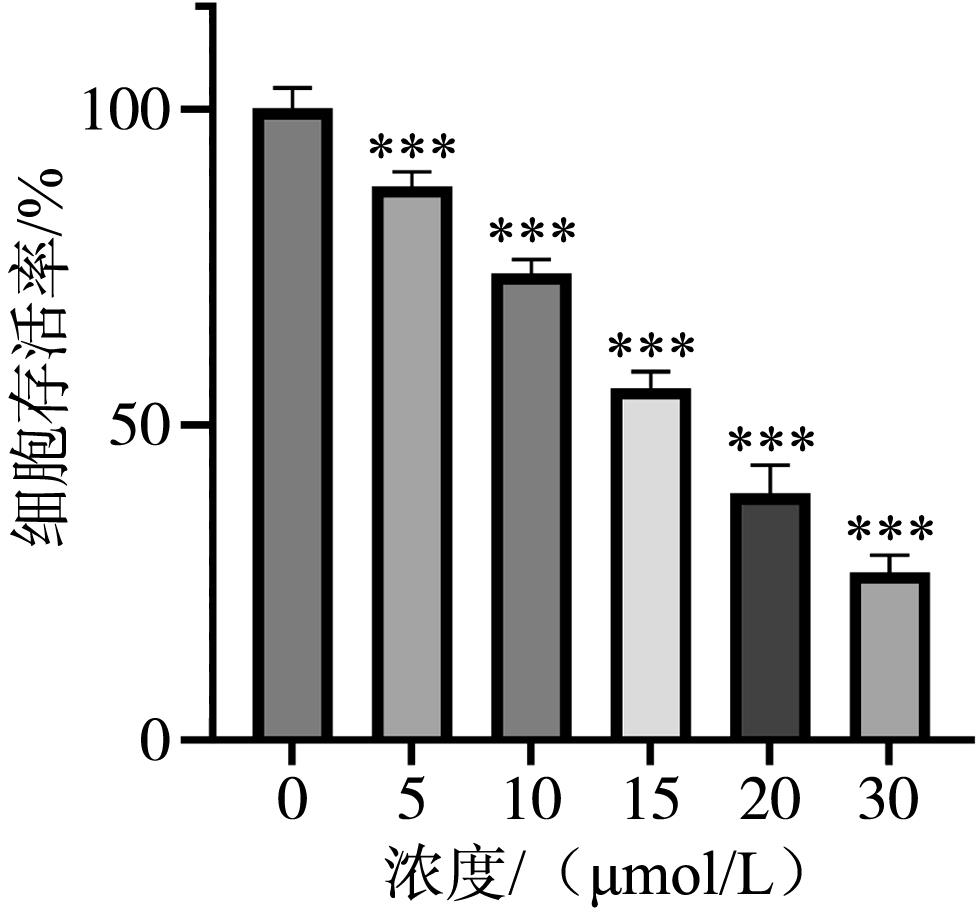
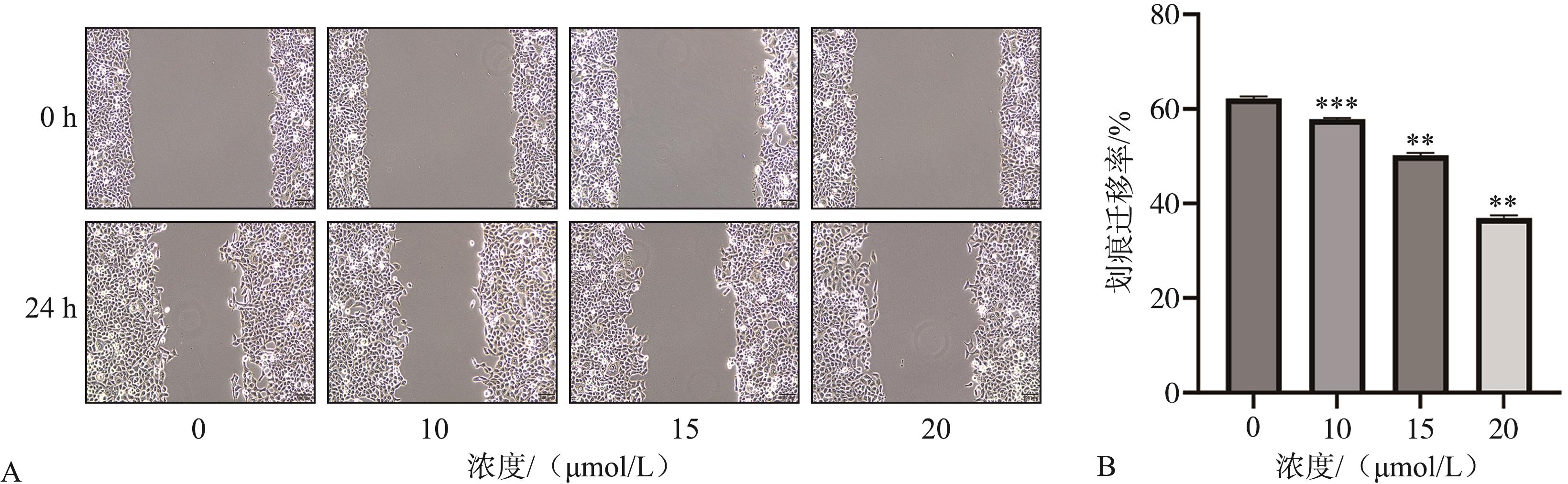
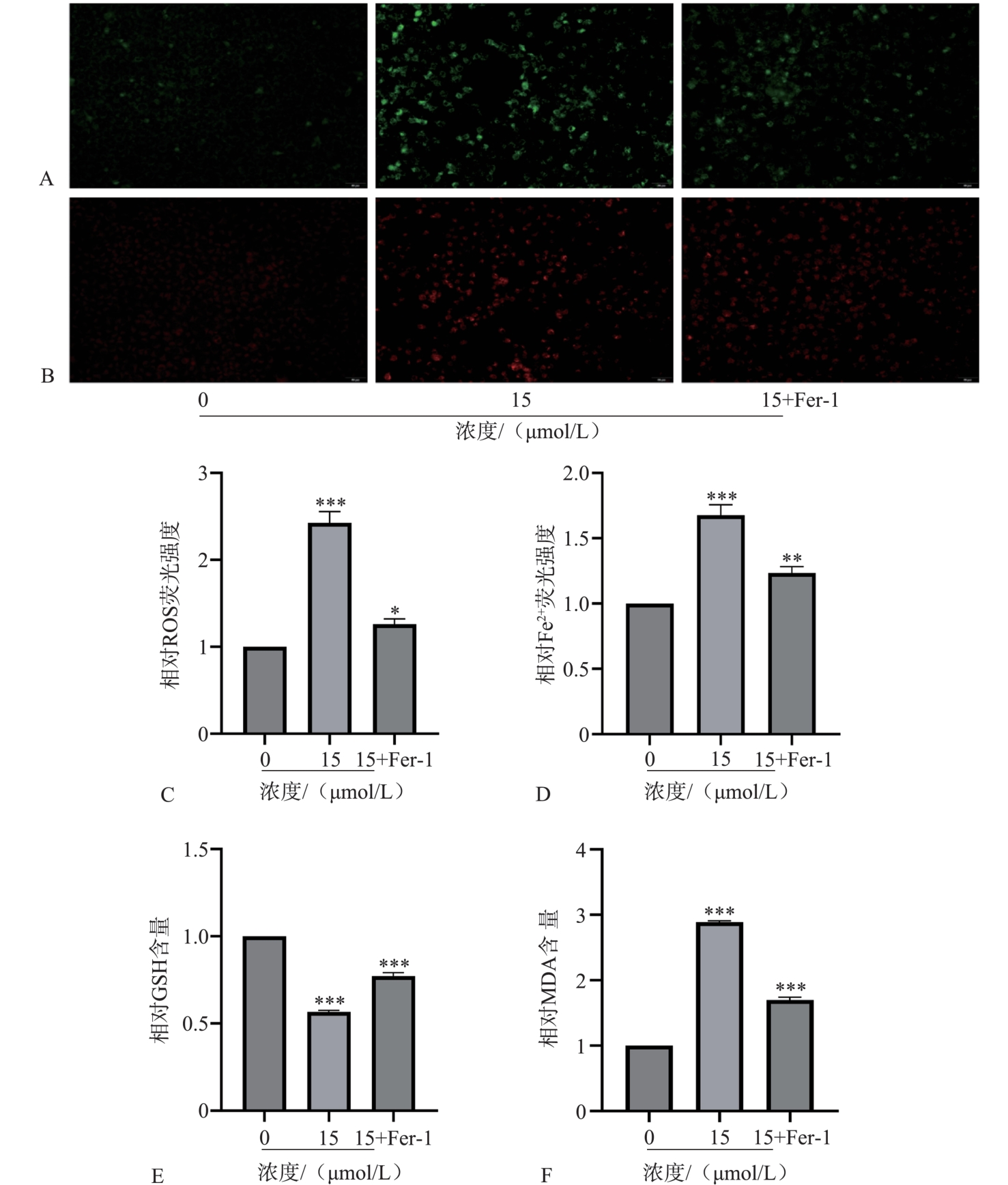
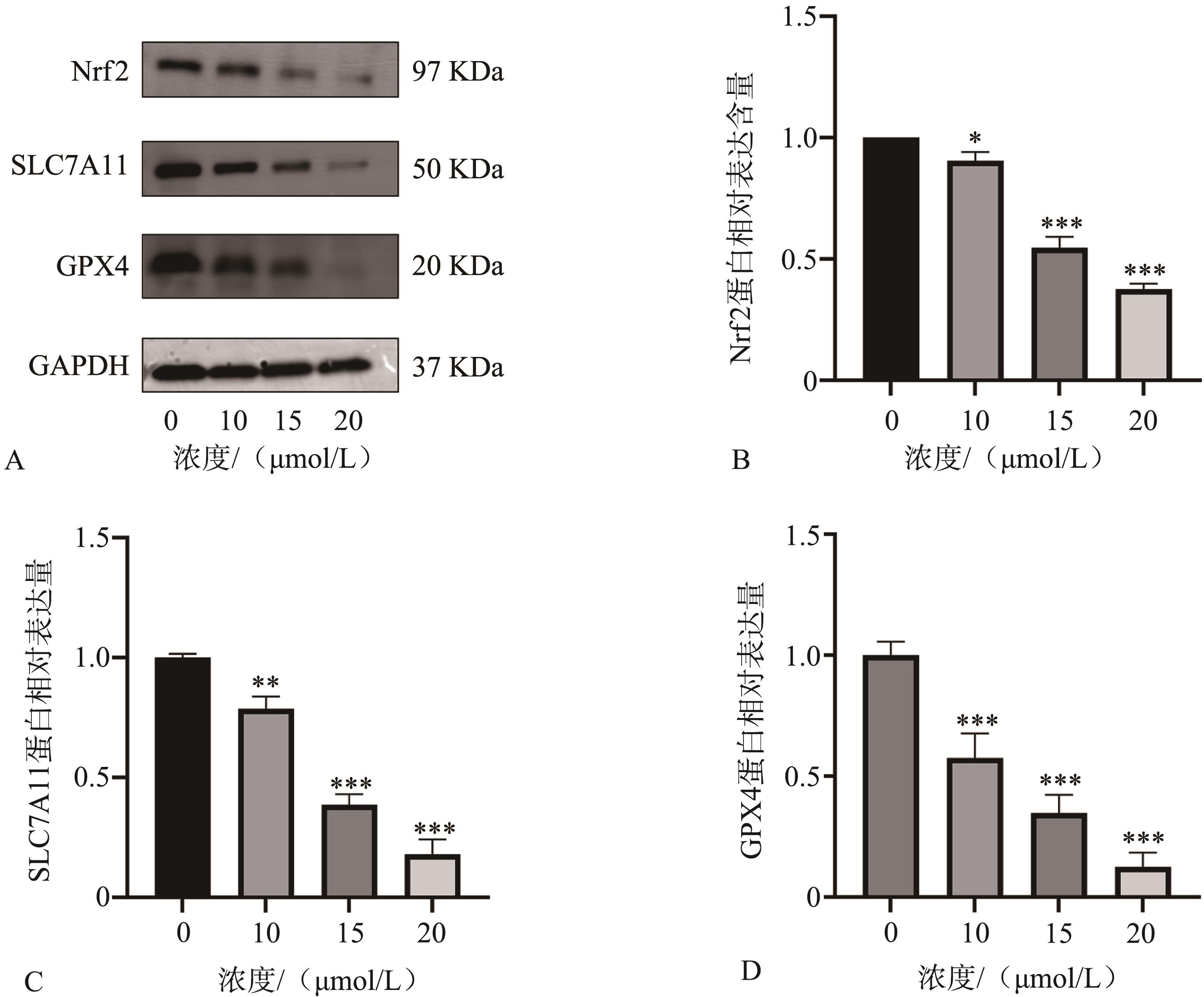
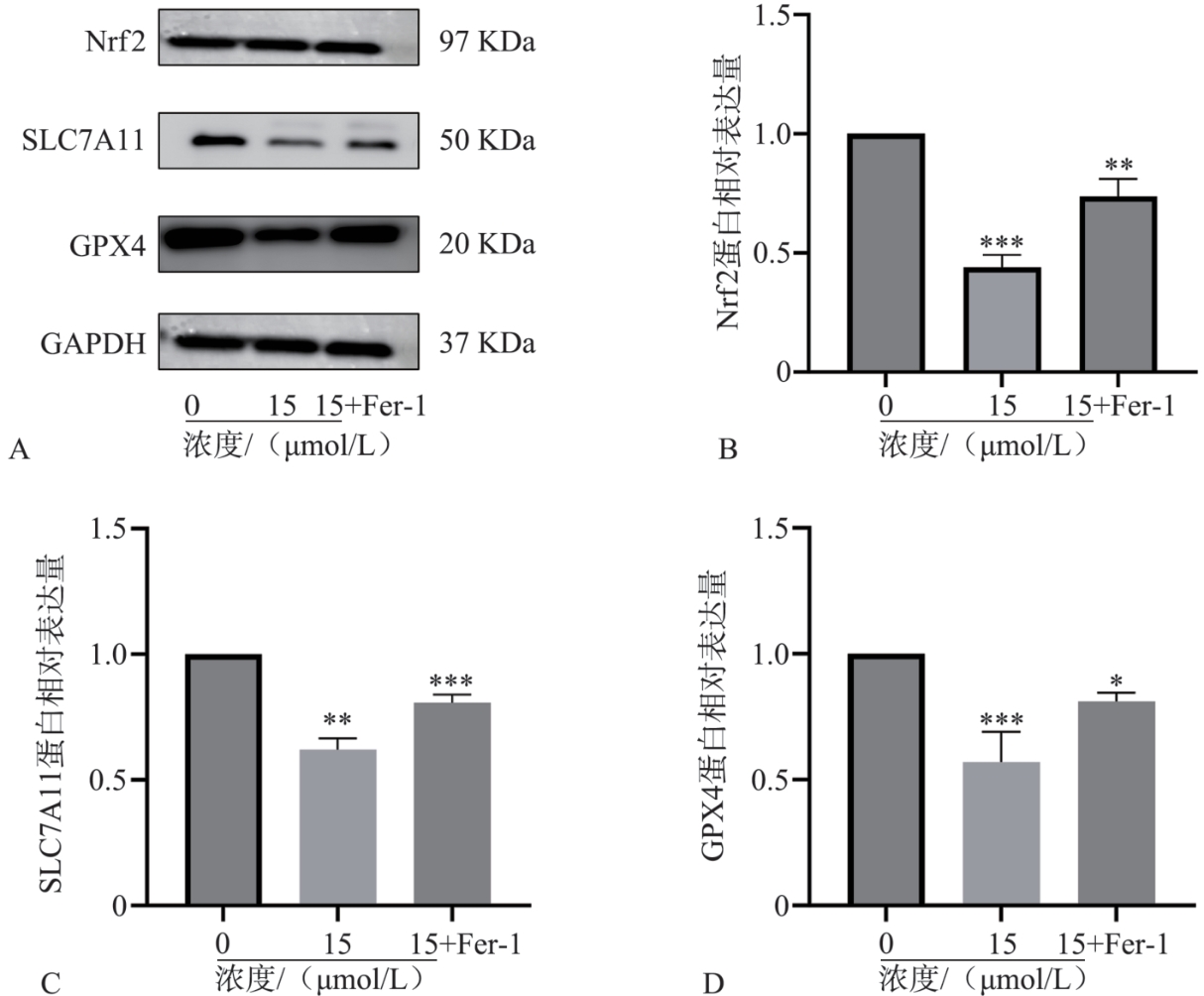
Objective This study aims to observe whether Cucurbitacin B (CuB) induces ferroptosis in CAL-27 cells derived from tongue squamous cell carcinoma and explore its possible mechanism. Methods CAL-27 cells were treated with different concentrations of CuB (0, 5, 10, 15, 20, and 30 μmol/L). Cell proliferation activity was detected using the cell counting kit-8 (CCK-8) method, and the median inhibition concentration (IC50) was calculated. Cell clo-ning and wound healing assays were used to detect the effects of different concentrations of CuB on the proliferation and migration of CAL-27 cells. CAL-27 cells were treated with different concentrations of CuB, and the changes in intracellular reactive oxygen species (ROS), Fe2+, GSH, and malondialdehyde (MDA) levels were detected. Western blot (WB) was used to detect the expression levels of nuclear factor erythroid 2-related factor 2 (Nrf2), glutathione peroxidase 4 (GPX4), and solute carrier family 7 member 11 (SLC7A11) proteins. Results CCK-8 results showed that CuB at concentrations of 5, 10, 15, 20, and 30 μmol/L significantly inhibited the proliferation activity of CAL-27 cells, with an IC50 of 13.93 μmol/L (P<0.001). The plate cloning assay demonstrated that CuB inhibited the cloning ability of CAL-27 cells (P<0.01). The wound healing assay revealed that CuB significantly shortened the migration distance of CAL-27 cells and inhibited their migration ability (P<0.01). The results of ROS, GSH, MDA, and Fe2+ measurements indicated that, compared with the control group, the fluorescence intensity of ROS and Fe2+ in CAL-27 cells significantly increased after CuB intervention at different concentrations. Meanwhile, the intracellular GSH content significantly decreased, and the MDA content significantly increased, which induced cellular oxidative damage. These changes could be reversed by the ferroptosis inhibitor Fer-1 (P<0.01). WB results showed that CuB intervention at different concentrations significantly downregulated the expression levels of Nrf2, SLC7A11, and GPX4 proteins (P<0.05). Furthermore, the ferroptosis inhibitor Fer-1 reversed the protein expression of Nrf2, SLC7A11 and GPX4 (P<0.05). Conclusion CuB can induce ferroptosis in CAL-27 cells derived from tongue squamous cell carcinoma, and its mechanism may be related to the ability of CuB to regulate the signaling pathway involving Nrf2, SLC7A11, and GPX4.

Key words: cucurbitacin B, ferroptosis, oral squamous cell carcinoma, nuclear factor erythroid 2-related factor 2/solute carrier family 7 member 11/glutathione peroxidase 4 signaling pathway

CLC Number: 

  • R782

TrendMD: 

Fig 1

Effects of different concentrations of CuB on the viability of CAL-27 cells"

Fig 2

Effects of different concentrations of CuB on the migration ability of CAL-27 cells"

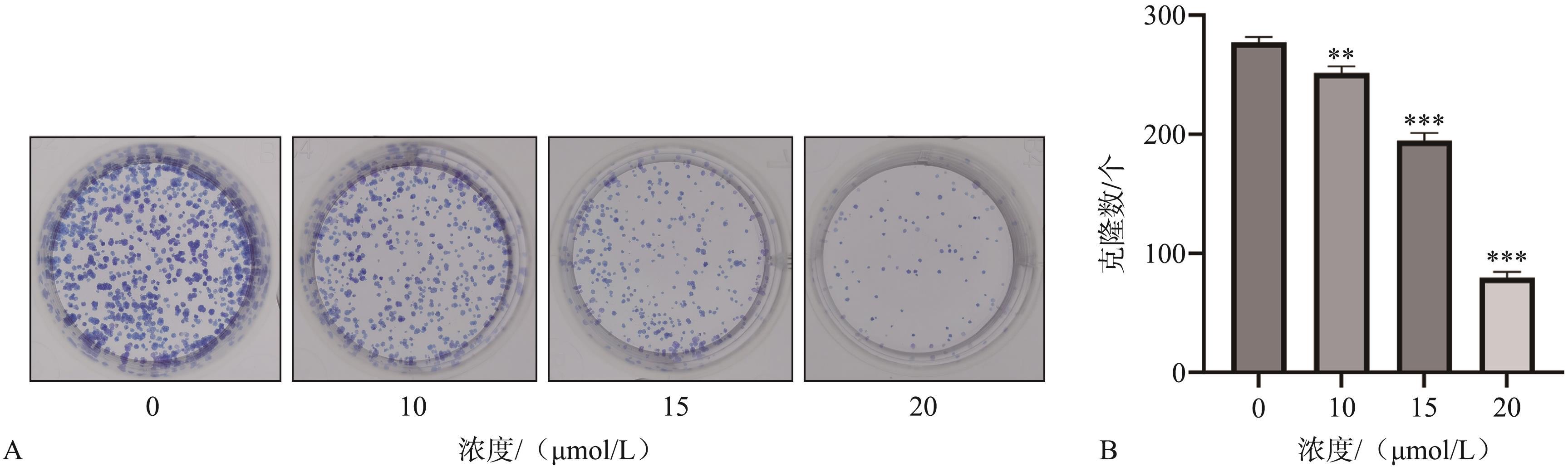
Fig 3

Effects of different concentrations of CuB on the cloning ability of CAL-27 cells"

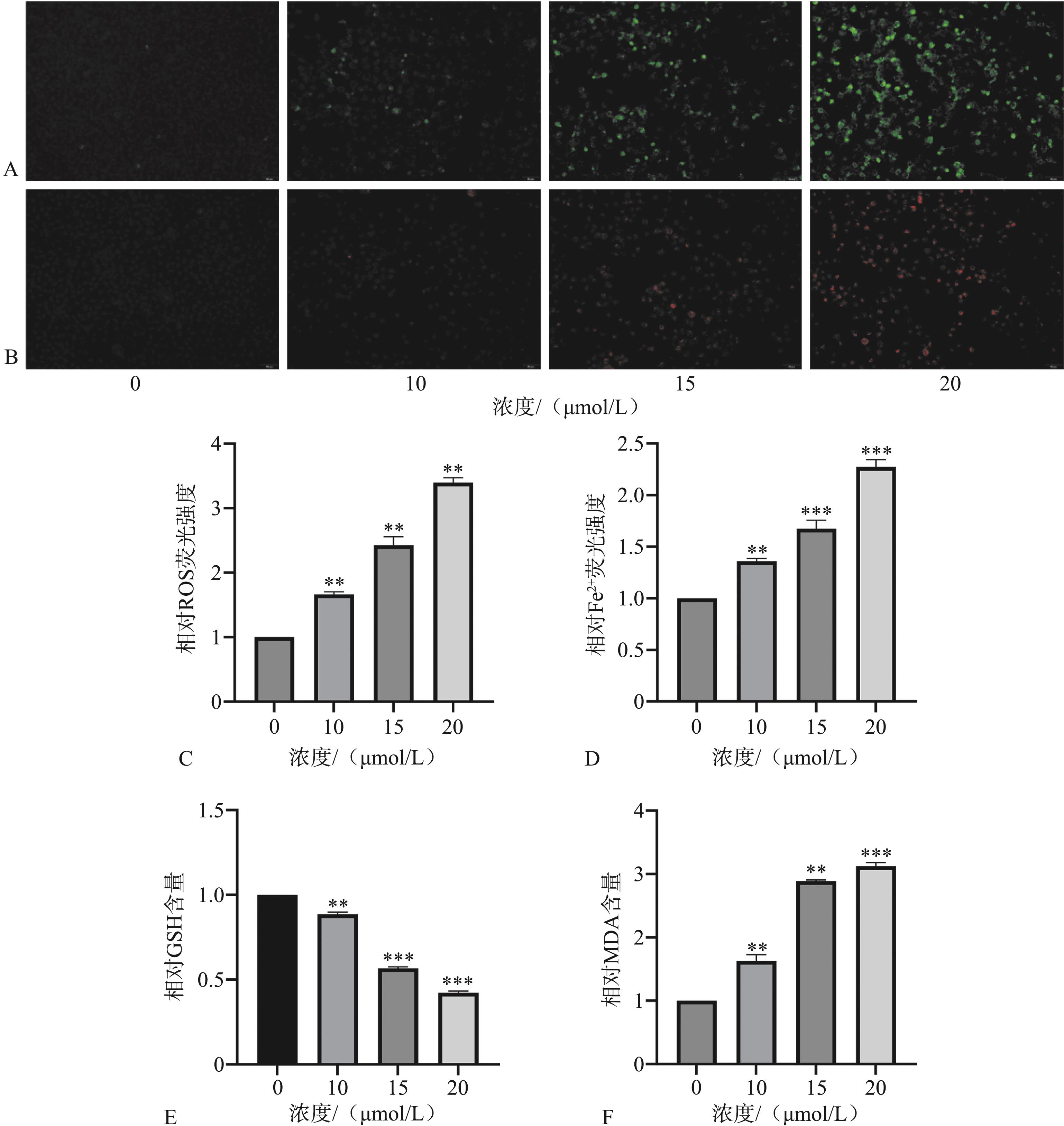
Fig 4

Effect of CuB on iron death related indexes of CAL-27 cells"

Fig 5

Effects of Fer-1 combined with CuB on iron death related indexes of CAL-27 cells"

Fig 6

Effect of CuB on expression of iron death related protein in CAL-27 cells"

Fig 7

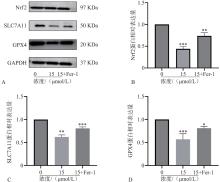
The effect of Fer-1 combined with CuB on the expression of ferroptosis-related proteins in CAL-27 cells"

[1] Hu SM, Lu HZ, Xie WQ, et al. TDO2+ myofibroblasts mediate immune suppression in malignant transformation of squamous cell carcinoma[J]. J Clin Invest, 2022, 132(19): e157649.
[2] Meng X, Lou QY, Yang WY, et al. The role of non-coding RNAs in drug resistance of oral squamous cell carcinoma and therapeutic potential[J]. Cancer Commun, 2021, 41(10): 981-1006.
[3] Kalaimani G, Rao UDK, Joshua E, et al. E-cadherin expression in premalignant lesions, premalignant conditions, oral squamous cell carcinoma, and normal mucosa: an immunohistochemical study[J]. Cureus, 2023, 15(8): e44266.
[4] Dixon SJ, Lemberg KM, Lamprecht MR, et al. Ferroptosis: an iron-dependent form of nonapoptotic cell death[J]. Cell, 2012, 149(5): 1060-1072.
[5] Mou YH, Wang J, Wu JC, et al. Ferroptosis, a new form of cell death: opportunities and challenges in cancer[J]. J Hematol Oncol, 2019, 12(1): 34.
[6] Zhang XD, Liu ZY, Wang MS, et al. Mechanisms and regulations of ferroptosis[J]. FrontImmunol, 2023, 14: 1269451.
[7] Kim EH, Shin D, Lee J, et al. CISD2 inhibition overcomes resistance to sulfasalazine-induced ferroptotic cell death in head and neck cancer[J]. Cancer Lett, 2018, 432: 180-190.
[8] Ma L, Chen C, Zhao C, et al. Targeting carnitine palmitoyl transferase 1A (CPT1A) induces ferroptosis and synergizes with immunotherapy in lung cancer[J]. Signal Transduct Target Ther, 2024, 9(1): 64.
[9] 孙晟杰, 涂画, 唐励静, 等. 铁死亡诱导剂和抑制剂的研究进展[J]. 中国药理学与毒理学杂志, 2020, 34(8): 623-633.
Sun SJ, Tu H, Tang LJ, et al. Research progress in inducers and inhibitors of ferroptosis[J]. Chin J Pharmacol Toxicol, 2020, 34(8): 623-633.
[10] Qian XJ, Lin S, Li J, et al. Fisetin ameliorates diabetic nephropathy-induced podocyte injury by mo-dulating Nrf2/HO-1/GPX4 signaling pathway[J]. Evid Based Complement Alternat Med, 2023, 2023: 9331546.
[11] Dai S, Wang C, Zhao XT, et al. Cucurbitacin B: a review of its pharmacology, toxicity, and pharmacokinetics[J]. Pharmacol Res, 2023, 187: 106587.
[12] 曾泽瑶, 苏佳婷, 罗连响. 葫芦素B通过靶向STA-T3促进铁死亡抑制非小细胞肺癌的生长[J]. 中国药理学与毒理学杂志, 2023, 37(S1): 28.
Zeng ZY, Su JT, Luo LX. Cucurbitacin B promotes ferroptosis by targeting STAT3 to inhibit the growth of non-small cell lung cancer[J]. Chin J Pharmacol Toxicol, 2023, 37(S1): 28.
[13] 蔡晓钧, 杨仁义, 王智槟, 等. 基于p53/SLC7A11/GPX4通路研究疏肝祛瘀解毒方诱导肝癌细胞铁死亡的作用机制[J]. 中国实验方剂学杂志, 2024, 30(8): 74-82.
Cai XJ, Yang RY, Wang ZB, et al. Mechanism of inducing ferroptosis in hepatocellular carcinoma cells by Shugan Quyu Jiedu prescription based on p53/SLC7A11/GPX4 pathway[J]. Chin J Experiment Trad Med Formul, 2024, 30(8): 74-82.
[14] Yuan R, Zhao WT, Wang QQ, et al. Cucurbitacin B inhibits non-small cell lung cancer in vivo and in vitro by triggering TLR4/NLRP3/GSDMD-dependent pyroptosis[J]. Pharmacol Res, 2021, 170: 105748.
[15] Zhang HY, Zhao B, Wei HZ, et al. Cucurbitacin B controls M2 macrophage polarization to suppresses metastasis via targeting JAK-2/STAT3 signalling pathway in colorectal cancer[J]. J Ethnopharmacol, 2022, 287: 114915.
[16] Alafnan A, Khalifa NE, Hussain T, et al. Cucurbitacin-B instigates intrinsic apoptosis and modulates Notch signaling in androgen-dependent prostate cancer LNCaP cells[J]. Front Pharmacol, 2023, 14: 1286507.
[17] Chu XL, Zhang L, Zhou YJ, et al. Cucurbitacin B alleviates cerebral ischemia/reperfusion injury by inhibiting NLRP3 inflammasome-mediated inflammation and reducing oxidative stress[J]. Biosci Biote-chnol Biochem, 2022: zbac065.
[18] Huang S, Cao BH, Zhang JL, et al. Induction of ferroptosis in human nasopharyngeal cancer cells by cucurbitacin B: molecular mechanism and therapeutic potential[J]. Cell Death Dis, 2021, 12(3): 237.
[19] Tang D, Chen X, Kang R, et al. Ferroptosis: mole-cular mechanisms and health implications[J]. Cell Res, 2021, 31(2): 107-125.
[20] Liang D, Minikes AM, Jiang X. Ferroptosis at the intersection of lipid metabolism and cellular signa-ling[J]. Mol Cell, 2022, 82(12): 2215-2227.
[21] Zhang M, Lei Q, Huang XB, et al. Molecular me-chanisms of ferroptosis and the potential therapeu-tic targets of ferroptosis signaling pathways for gli-oblastoma[J]. Front Pharmacol, 2022, 13: 1071897.
[22] Sun Y, Chen P, Zhai B, et al. The emerging role of ferroptosis in inflammation[J]. Biomed Pharmaco-ther, 2020, 127: 110108.
[23] Ursini F, Maiorino M. Lipid peroxidation and ferroptosis: the role of GSH and GPx4[J]. Free Radic Biol Med, 2020, 152: 175-185.
[24] Xu Y, Li YT, Li JX, et al. Ethyl carbamate triggers ferroptosis in liver through inhibiting GSH synthesis and suppressing Nrf2 activation[J]. Redox Biol, 2022, 53: 102349.
[25] Yang WS, SriRamaratnam R, Welsch ME, et al. Re-gulation of ferroptotic cancer cell death by GPX4[J]. Cell, 2014, 156(1/2): 317-331.
[26] Alim I, Caulfield JT, Chen YX, et al. Selenium drives a transcriptional adaptive program to block ferroptosis and treat stroke[J]. Cell, 2019, 177(5): 1262-1279.e25.
[27] Koppula P, Zhuang L, Gan BY. Cystine transporter SLC7A11/xCT in cancer: ferroptosis, nutrient dependency, and cancer therapy[J]. Protein Cell, 2021, 12(8): 599-620.
[28] Hong T, Lei G, Chen X, et al. PARP inhibition promotes ferroptosis via repressing SLC7A11 and synergizes with ferroptosis inducers in BRCA-pro-ficient ovarian cancer[J]. Redox Biol, 2021, 42: 101928.
[29] Sykiotis GP, Bohmann D. Stress-activated cap’- n’collar transcription factors in aging and human di-sease[J]. Sci Signal, 2010, 3(112): re3.
[30] Xiang MJ, Namani A, Wu SJ, et al. Nrf2: bane or blessing in cancer[J]. J Cancer Res Clin Oncol, 2014, 140(8): 1251-1259.
[31] Wang C, Liu HH, Xu S, et al. Ferroptosis and neurodegenerative diseases: insights into the regulatory roles of SLC7A11[J]. Cell Mol Neurobiol, 2023, 43(6): 2627-2642.
[32] Seibt TM, Proneth B, Conrad M. Role of GPX4 in ferroptosis and its pharmacological implication[J]. Free Radic Biol Med, 2019, 133: 144-152.
[33] Miao Y, Chen YW, Xue F, et al. Contribution of ferroptosis and GPX4’s dual functions to osteoarthritis progression[J]. EBioMedicine, 2022, 76: 103847.
[34] Zeng C, Lin J, Zhang KT, et al. SHARPIN promotes cell proliferation of cholangiocarcinoma and inhi-bits ferroptosis via p53/SLC7A11/GPX4 signaling[J]. Cancer Sci, 2022, 113(11): 3766-3775.
[35] Guo C, Zhao W, Wang W, et al. Study on the antitumor mechanism of tanshinone ⅡA in vivo and in vitro through the regulation of PERK-ATF4-HSPA5 pathway-mediated ferroptosis[J]. Molecules, 2024, 29(7): 1557.
[1] Yingxin Fu,Zhiyu Gu,Ling Zhou,Long Lin,Jing Lin,Yunkun Liu. Progress in research on lactic acid and lactylation modification in oral squamous cell carcinoma [J]. Int J Stomatol, 2026, 53(2): 247-256.
[2] Linhan Zhang,Yaling Tang. Advancements in the application of Raman spectroscopy for the diagnosis and treatment of oral squamous cell carcinoma and oral potentially malignant disorders [J]. Int J Stomatol, 2026, 53(1): 107-115.
[3] Manman Yao,Yongle Qiu,Tiejun Liu,Yueting Lu,Hualin Lu,Hongyue Shang,Bo Dong. Role of mircoRNA200a/141-signal transduction and transcriptional activator 4 axis in the progression of oral squamous cell carcinoma [J]. Int J Stomatol, 2025, 52(4): 473-483.
[4] Qian Wang,Hui Peng,Liyu Zhang,Zongcheng Yang,Yuqi Wang,Yu Pan,Yu Zhou. Application of radiomics in cervical lymph node metastasis of oral squamous cell carcinoma [J]. Int J Stomatol, 2025, 52(4): 507-513.
[5] Yijie Li,Zhenying Yuan,Ming Li. Expression and function of branch-chain amino acid transaminase 1 in oral squamous cell carcinoma [J]. Int J Stomatol, 2025, 52(3): 358-365.
[6] Maikeliya Aikepaer,Maimaitituxun Tuerdi. Progress of research on the application of indocyanine green fluorescence imaging technology in the surgical treatment of oral squamous cell carcinoma [J]. Int J Stomatol, 2025, 52(3): 405-410.
[7] Xiaoyue Zhang,Shuze Chen,Jieyu Zhou,Lei Cheng,Lei Zhao. Studying how Fusobacterium nucleatum affects the intestinal epithelial barrier model in vitro via the ferroptosis pathway [J]. Int J Stomatol, 2025, 52(2): 183-194.
[8] Yanbei Lu,Zhengjuan Li,Lei Lei,Jingjing Luo. Research progress on phosphatidylinositol 3-kinase-mediated radioresistance in oral squamous cell carcinoma [J]. Int J Stomatol, 2025, 52(2): 246-256.
[9] Jingzhe Li, Suxin Zhang. Progress in research on phosphoinositide 3-kinase/protein kinase B pathway inhibitors in oral squamous cell carcinoma [J]. Int J Stomatol, 2025, 52(1): 34-41.
[10] Bingzhi Li, Yunkun Liu, Wenxuan Wang, Zeyu Hou, Jinru Tang, Longjiang Li. Research progress on perineural invasion of oral squamous cell carcinoma [J]. Int J Stomatol, 2024, 51(3): 362-367.
[11] Wenxuan Wang,Yunkun Liu,Bingzhi Li,Nengwen Huang,Zeyu Hou,Jinru Tang,Longjiang Li. Role of advanced glycosylation end-products and their receptors in the progression and treatment of oral squamous cell carcinoma [J]. Int J Stomatol, 2024, 51(2): 208-216.
[12] Fu Yu, He Wei, Huang Lan. Ferroptosis and its implication in oral diseases [J]. Int J Stomatol, 2024, 51(1): 36-44.
[13] Zhou Jinkuo,Zhang Jinhong,Shi Xiaojing,Liu Guangshun,Jiang Lei,Liu Qianfeng. Influences of long noncoding RNA small nucleolar RNA host gene 22 on the cell proliferation, invasion and migration of oral squamous carcinoma cells by regulating microRNA-27b-3p [J]. Int J Stomatol, 2024, 51(1): 52-59.
[14] Li Liheng,Wang Rui,Wang Xiaoming,Zhang Zhiyi,Zhang Xuan,An Feng,Wang Qin,Zhang Fan. Effects of circular RNA hsa_circ_0085576 on cell migration and invasion of oral squamous cell carcinoma by regulating the microRNA-498/B-cell-specific Moloney murine leukemia virus integration site 1 axis [J]. Int J Stomatol, 2024, 51(1): 60-67.
[15] Luo Xiaojie,Wang Dexu,Chen Xiaotao. Relationship between periodontitis and ferroptosis based on bioinformatics analysis [J]. Int J Stomatol, 2023, 50(6): 661-668.
Viewed
Full text


Abstract

Cited

  Shared   
  Discussed   
No Suggested Reading articles found!