Int J Stomatol ›› 2026, Vol. 53 ›› Issue (4): 513-525.doi: 10.7518/gjkq.2026128

• Original Article • Previous Articles    

Evaluation of the therapeutic effect of Lactobacillus plantarum SLH on experimental periodontitis

Luhong Shu1,2(),Hangjiyun Li1,2,Ting Zhang3,4,Yan Zhao3,4,Guzhen Cui3,4,Wei Hong1,3,Jian Liao1,2()   

  1. 1.School of Stomatology/Stomatological Hospital of Guizhou Medical University, Guiyang 550004, China
    2.Key Laboratory of Oral Disease Research, Guizhou Medical University, Guiyang 550004, China
    3.Key Laboratory of Endemic and Ethnic Diseases of the Ministry of Education, Guizhou Medical University, Guiyang 550004, China
    4.Dept. of Microbiology, School of Basic Medical Sciences, Guizhou Medical University, Guiyang 550025, China
  • Received:2025-06-09 Revised:2026-02-11 Online:2026-07-01 Published:2026-06-25
  • Contact: Jian Liao E-mail:1935679099@qq.com;liaojian@gmc.edu.cn
  • Supported by:
    National Natural Science Foundation of China(82260198);Outstanding Young Ta-lent Training Program of Guizhou Medical University [Outstanding Young Talents at Guizhou Medical University (2022)101];Science and Technology Plan Project in Guizhou Province (Qiankehe Foundation-ZK[2022] General 401);National Natural Science Foundation of China (82260198, 32170134); Outstanding Young Ta-lent Training Program of Guizhou Medical University [Outstanding Young Talents at Guizhou Medical University (2022)101]; Science and Technology Plan Project in Guizhou Province (Qiankehe Foundation-ZK[2022] General 401)

Abstract:

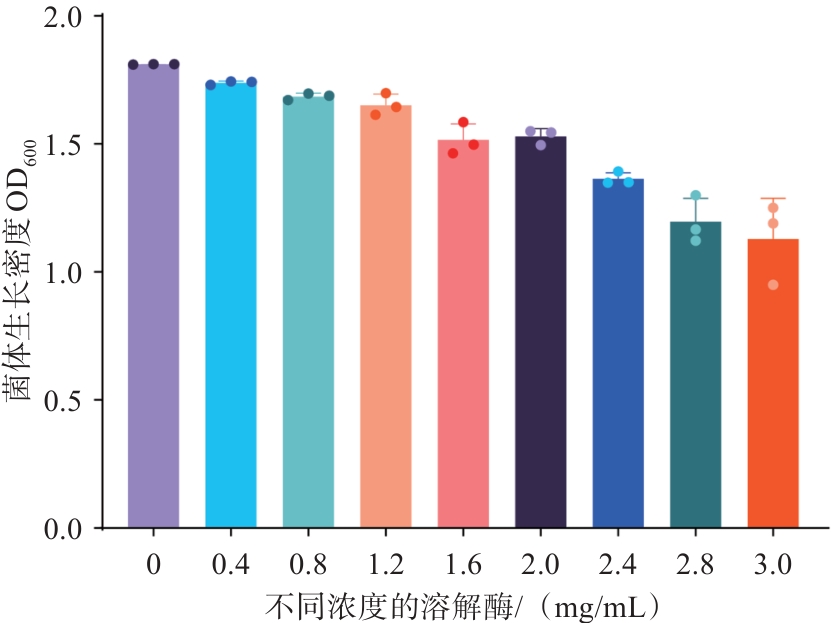
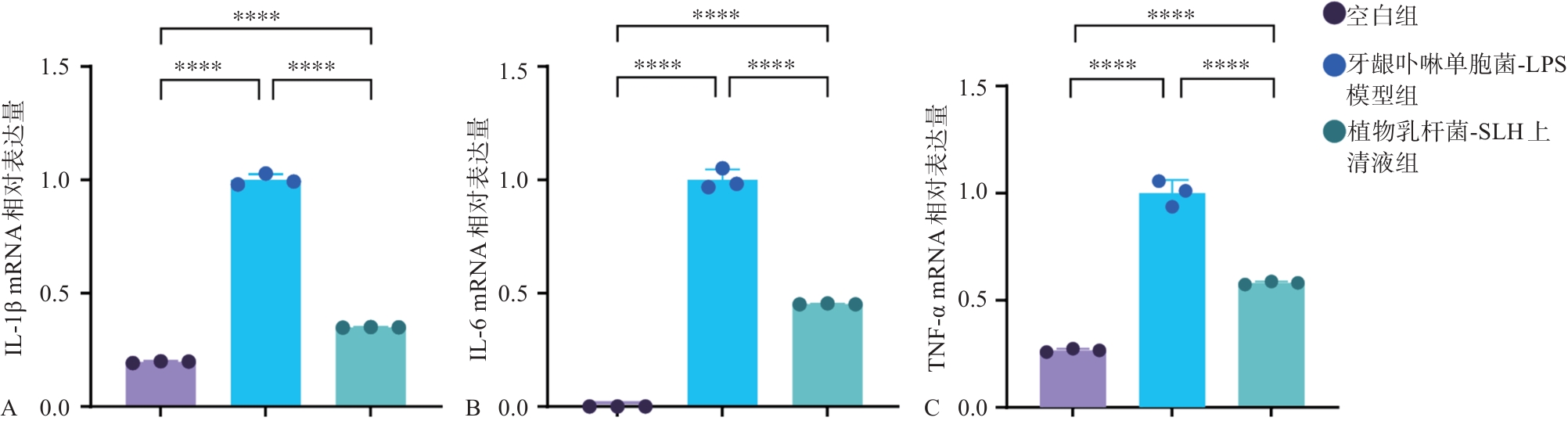
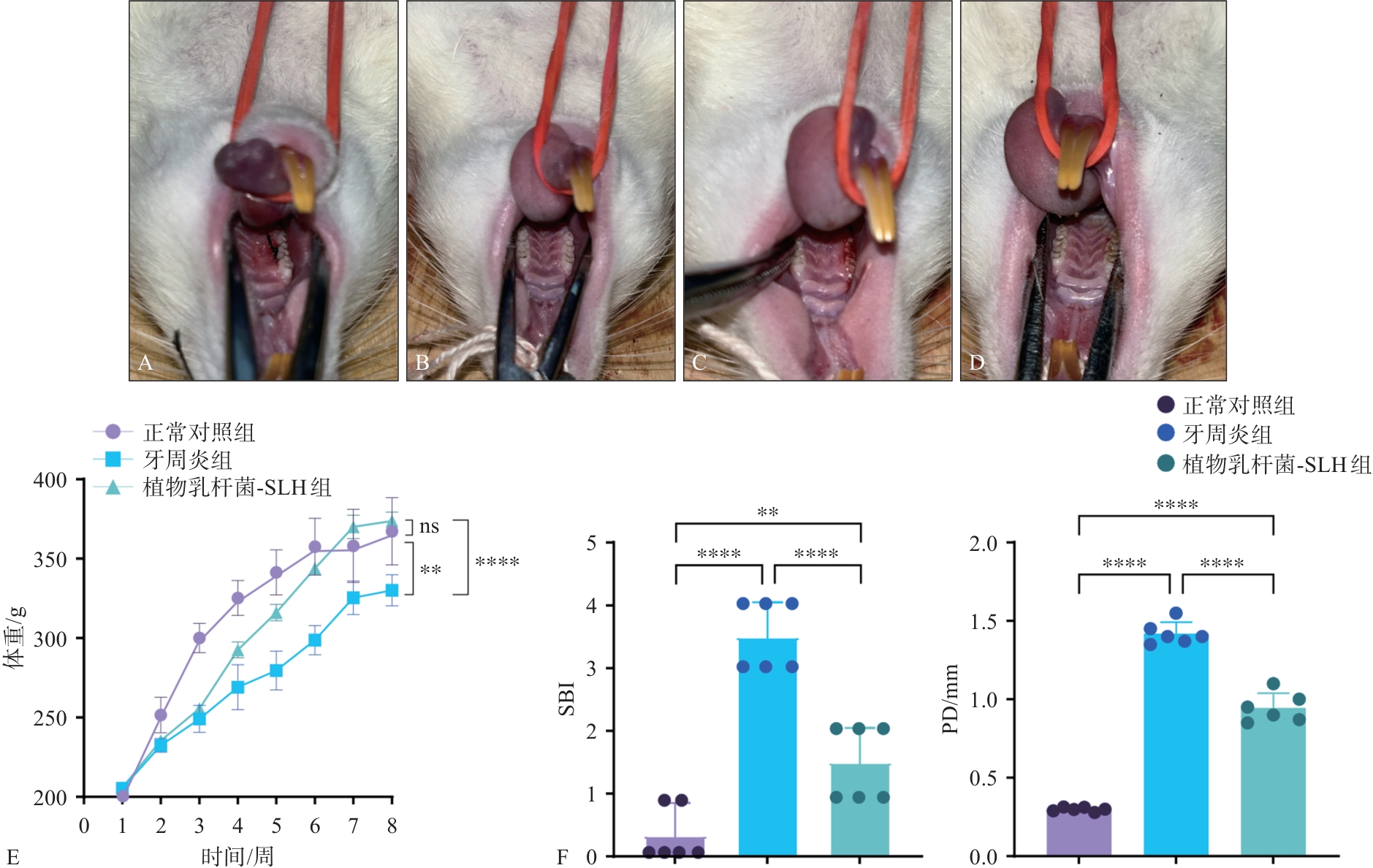
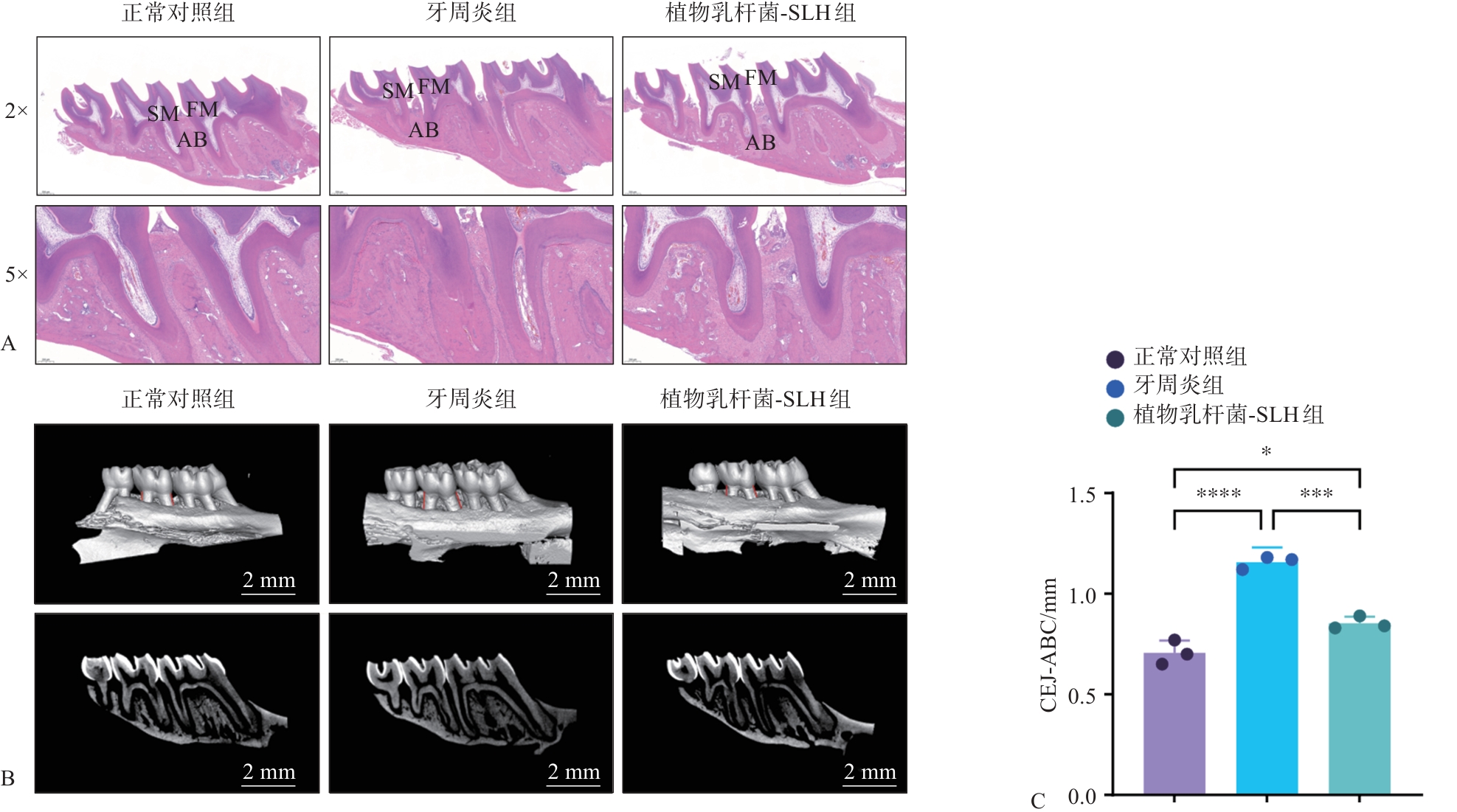
Objective This study aimed to investigate the therapeutic potential of clinically isolated Lactobacillus plantarum SLH in experimental periodontitis. Methods A strain of Lactobacillus plantarum SLH, isolated and purified from fecal samples of healthy infants, served as the experimental subject. Following Gram staining for morphological observation, its growth curve and acid production curve were plotted. The antibacterial activity of the bacterial cells and the cell-free fermentation supernatant against Fusobacterium nucleatum and Porphyromonas gingivalis was assessed using Oxford cup agar diffusion assay. The inhibitory effect of this strain on periodontal biofilm formation was evaluated via crystal violet staining assay. Furthermore, the strain’s tolerance to lysozyme and its in vitro anti-inflammatory capacity were determined. Subsequently, an experimental periodontitis model was established in rats by using ligature-induced method with 4-0 silk sutures. Twenty-four rats were randomly allocated into three groups (n=8 per group): a healthy control group, a periodontitis group, and an Lactobacillus plantarum SLH treatment group. A suspension of Lactobacillus plantarum SLH was prepared in phosphate buffered saline (PBS) containing 2% sodium carboxymethyl cellulose (CMC) as a vehicle. This suspension was administered locally into the periodontal pockets at the ligation sites in the treatment group. The healthy control and periodontitis groups received local injections of an equal volume of the vehicle (2% CMC in PBS) only. This treatment regimen continued for 7 consecutive weeks. Upon completion of the administration period, clinical periodontal parameters, including the gingival sulcus bleeding index and probing pocket depth, were measured for all rats, followed by histopathological evaluation of the periodontal tissues. Results A probiotic strain was successfully isolated and purified. Following identification by 16S rDNA sequencing, it was designated as Lactobacillus plantarum SLH. Antibacterial and biofilm formation assays demonstrated that the cell-free fermentation supernatant of this strain exhibited significant inhibitory activity against the periodontal pathogens Porphyromonas gingivalis and Fusobacterium nucleatum (P<0.05). Lysozyme tolerance test indicated that Lactobacillus plantarum SLH could withstand a relatively high concentration (3 mg/mL) of lysozyme. Furthermore, Lactobacillus plantarum SLH significantly reduced the expression levels of the inflammatory cytokines interleukin (IL)-1β, tumor necrosis factor (TNF)-α, and IL-6 in an inflammatory cell model (P<0.000 1). In the animal experiment, compared with the control group, the periodontitis group showed significant increases in the gingival sulcus bleeding index and probing pocket depth (P<0.000 1). Administration of Lactobacillus plantarum SLH resulted in a significant reduction in sulcus bleeding index (SBI) and probing depth (PD) compared with the treatment of periodontitis groups (P<0.000 1). The body weight of the periodontitis group decreased compared with that of the controls (P<0.05), and the Lactobacillus plantarum SLH treatment group showed a significant increase in body weight compared with the periodontitis group (P<0.000 1). Micro-computed tomography analysis revealed pronounced alveolar bone resorption in the periodontitis group. This bone loss was significantly attenuated in the Lactobacillus plantarum SLH treatment group compared with the periodontitis group (P<0.001). Histopathological examination using hematoxylin and eosin staining showed a marked alleviation of inflammatory cell infiltration and tissue damage in the periodontal tissues of rats treated with Lactobacillus plantarum SLH. Conclusion Lactobacillus plantarum SLH exerts significant ameliorative effects on experimental periodontitis and holds potential as an adjunctive therapy for periodontal disease.

Key words: periodontitis, Lactobacillus plantarum, Porphyromonas gingivalis, Fusobacterium nucleatum, animal model, inflammatory response

CLC Number: 

  • R781.4+2

TrendMD: 

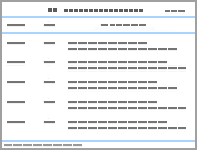
Tab 1

Primer sequence"

基因引物序列(5’—3’)
β-actin

F:AGGTCGGTGTGAACGGATTTG

R:TGTAGACCATGTAGTTGAGGTCA

IL-6

F:AGTCCGGAGAGGAGACTTC

R:AGTCCGGAGAGGAGACTTC

IL-1β

F:ACAAAATACCTGTGGCCTTGGG

R:TTGTTTCCCAGGAAGACAGGCT

TNF-α

F:AGAAAGCATGATCCGCGACGT

R:AGAAAGCATGATCCGCGACGT

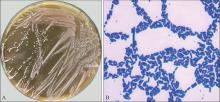
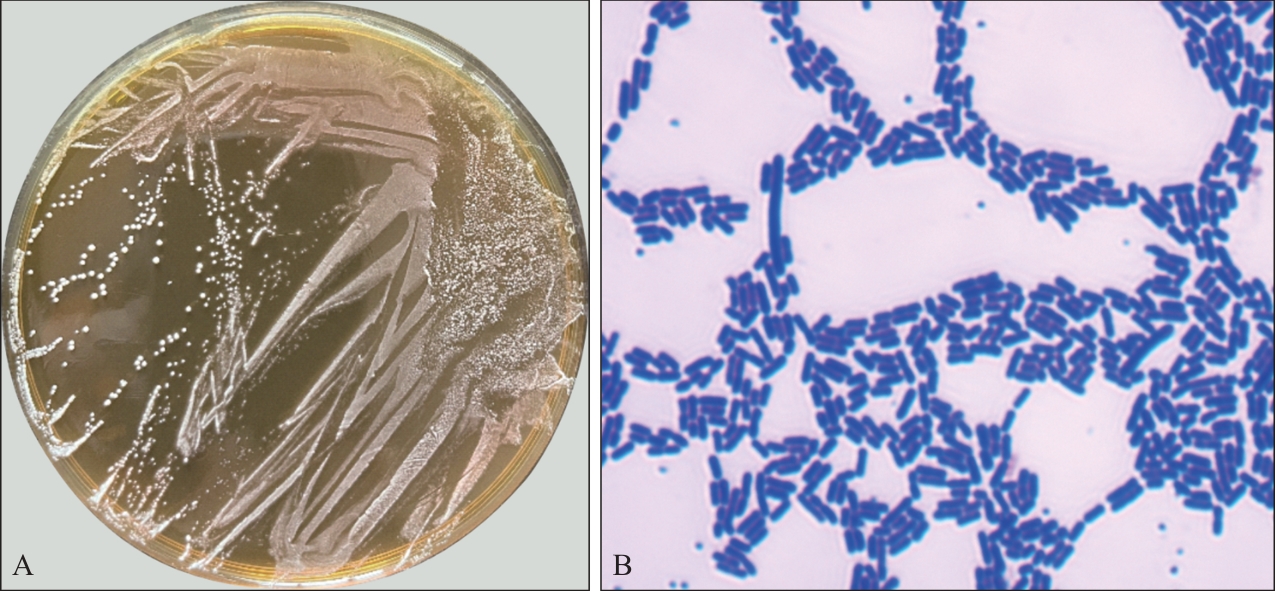
Fig 1

Lactobacillus plantarum SLH colony morphology and Gram stain"

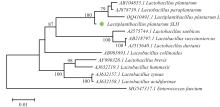
Fig 2

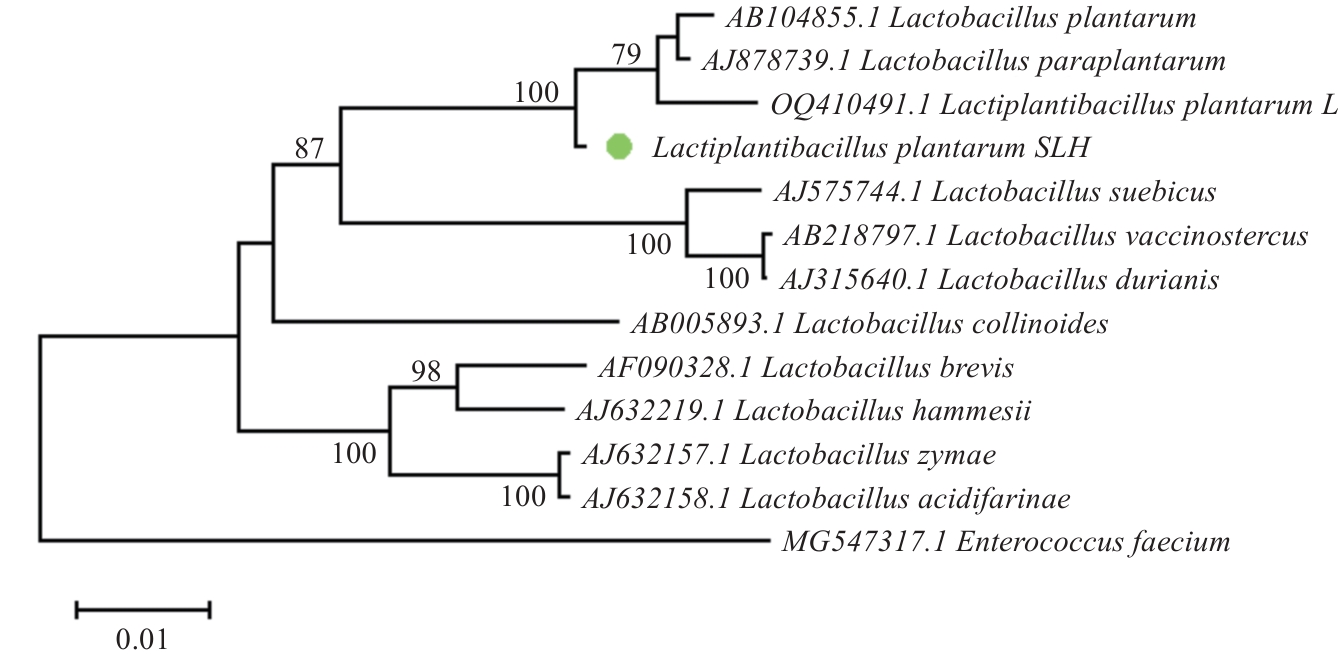
Phylogenetic tree of Lactobacillus plantarum SLH 16S rDNA"

Fig 3

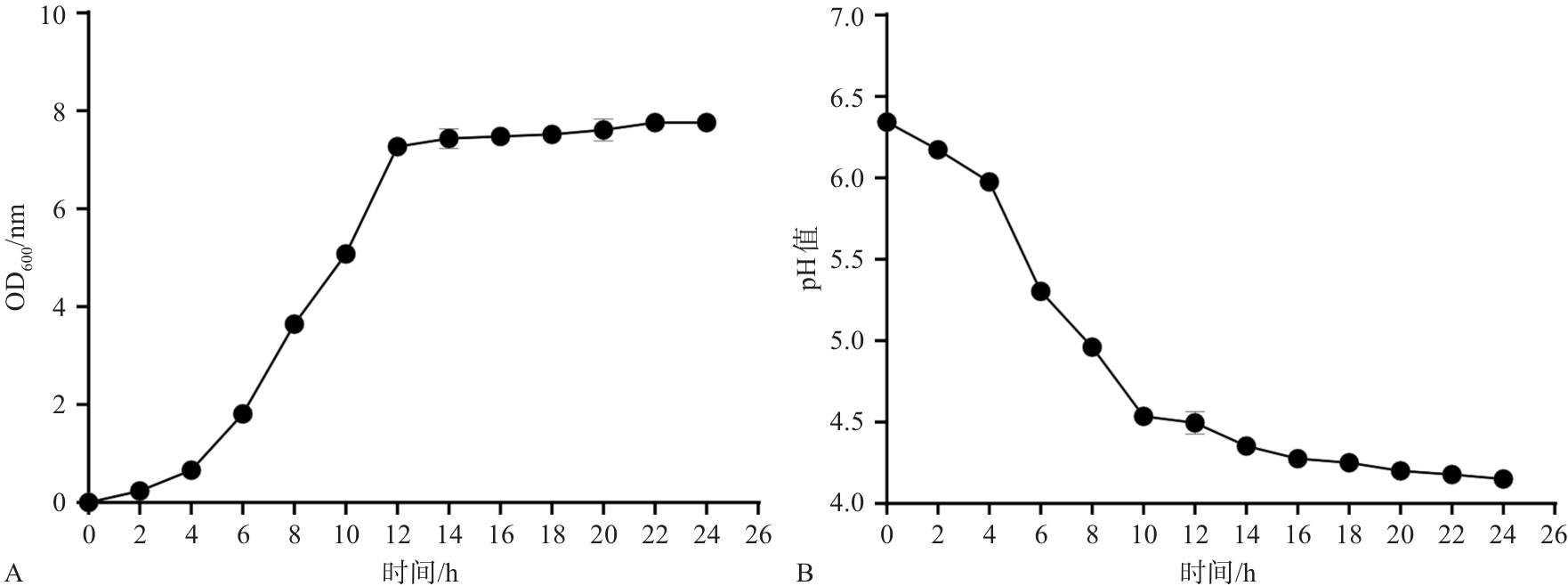
Growth curve and acid yield curve of Lactobacillus plantarum SLH"

Fig 4

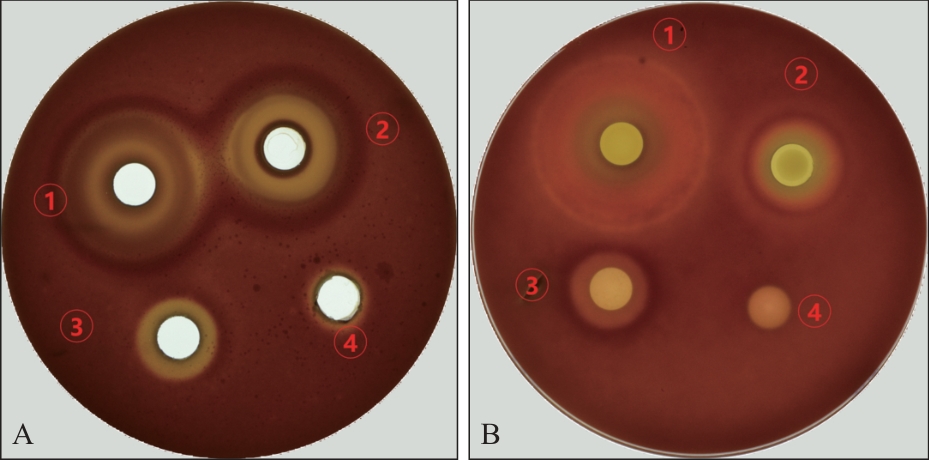
Antibacterial effect of Lactobacillus plantarum SLH bacterial cells and fermented supernatan"

Tab 2

Inhibitory activity of Lactobacillus plantarum SLH bacteriophage and its supernatant against Fusobacterium nucleatum and Porphyromonas gingivalis"

组别抑制具核梭杆菌的抑菌圈直径/mm抑制牙龈卟啉单胞菌的抑菌圈直径/mm
氯己定32.43±2.5335.75±1.23
植物乳杆菌-SLH菌体--
MRS培养基15.03±1.4915.27±0.29
植物乳杆菌-SLH上清液26.20±1.98***31.77±2.63****

Fig 5

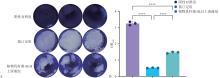
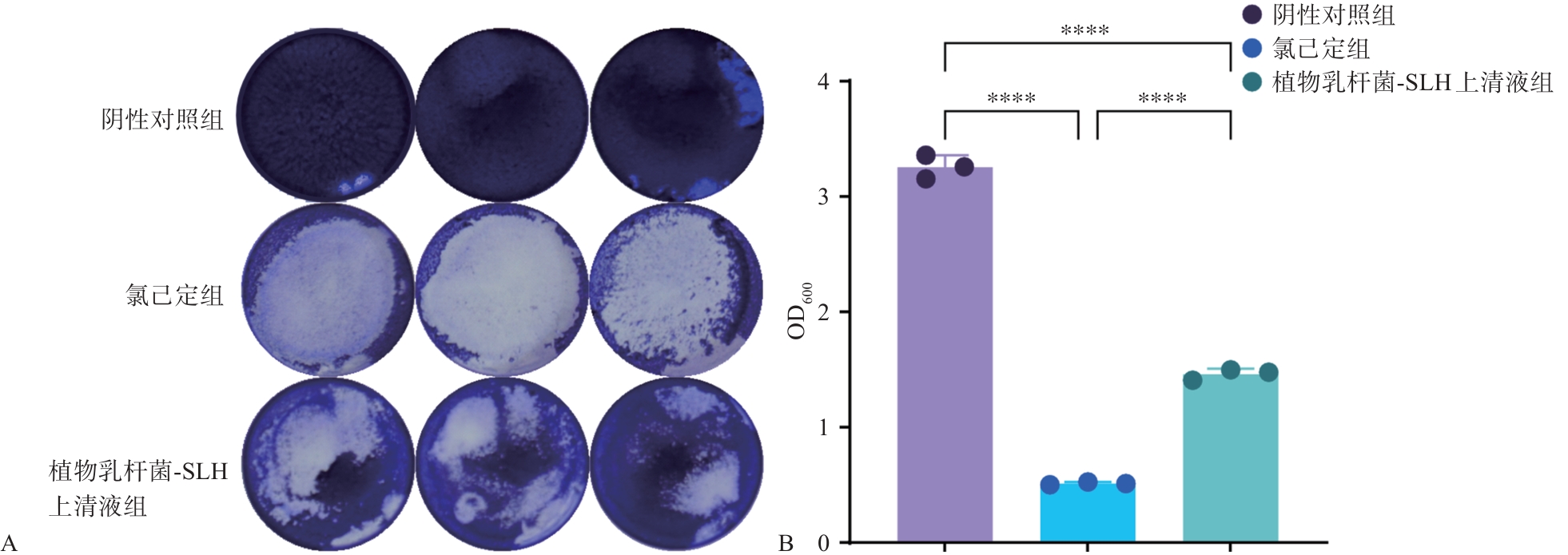
Analysis of dental plaque biofilm formation inhibition"

Fig 6

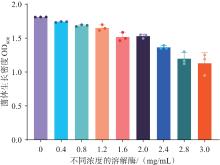
Growth density of Lactobacillus plantarum SLH at different lysozyme concentrations"

Fig 7

Effect of Lactobacillus plantarum SLH on the mRNA expression of inflammatory factors in cells"

Fig 8

Establishment of the rat periodontitis model and measurement of periodontal clinical parameters"

Fig 9

Analysis of periodontal tissues by HE staining and Micro-CT scanning"

[1] Zhang SP, Yu N, Arce RM. Periodontal inflammation: integrating genes and dysbiosis[J]. Periodontol 2000, 2020, 82(1): 129-142.
[2] Jiao J, Jing WD, Si Y, et al. The prevalence and severity of periodontal disease in mainland China: data from the Fourth National Oral Health Survey (2015—2016)[J]. J Clin Periodontol, 2021, 48(2): 168-179.
[3] Ebersole JL, Dawson Ⅲ D, Emecen-Huja P, et al. The periodontal war: microbes and immunity[J]. Pe-riodontol 2000, 2017, 75(1): 52-115.
[4] Lamont RJ, Koo H, Hajishengallis G. The oral microbiota: dynamic communities and host interactions[J]. Nat Rev Microbiol, 2018, 16(12): 745-759.
[5] Abdulkareem AA, Al-Taweel FB, Al-Sharqi AJB, et al. Current concepts in the pathogenesis of periodontitis: from symbiosis to dysbiosis[J]. J Oral Micro-biol, 2023, 15(1): 2197779.
[6] Tonetti MS, Van Dyke TE, GroupWorking 1 of the Joint EFP/AAP Workshop. Periodontitis and atherosclerotic cardiovascular disease: consensus report of the Joint EFP/AAP Workshop on Periodontitis and Systemic Diseases[J]. J Clin Periodontol, 2013, 40(s14): S24-S29.
[7] Baeza M, Morales A, Cisterna C, et al. Effect of periodontal treatment in patients with periodontitis and diabetes: systematic review and meta-analysis[J]. J Appl Oral Sci, 2020, 28: e20190248.
[8] Hajishengallis G, Chavakis T. Local and systemic mechanisms linking periodontal disease and inflammatory comorbidities[J]. Nat Rev Immunol, 2021, 21(7): 426-440.
[9] Bui FQ, Almeida-da-Silva CLC, Huynh B, et al. Association between periodontal pathogens and syste-mic disease[J]. Biomed J, 2019, 42(1): 27-35.
[10] Slots J. Concise evaluation and therapeutic guidelines for severe periodontitis: a public health perspective[J]. Periodontol 2000, 2022, 90(1): 262-265.
[11] Wei Y, Deng YX, Ma ST, et al. Local drug delivery systems as therapeutic strategies against periodontitis: a systematic review[J]. J Control Release, 2021, 333: 269-282.
[12] Gibson GR, Hutkins R, Sanders ME, et al. Expert consensus document: the International Scientific Association for Probiotics and Prebiotics (ISAPP) consensus statement on the definition and scope of prebiotics[J]. Nat Rev Gastroenterol Hepatol, 2017, 14(8): 491-502.
[13] Król-Górniak A, Pomastowski P, Railean-Plugaru V, et al. The study of the molecular mechanism of Lactobacillus paracasei clumping via divalent metal ions by electrophoretic separation[J]. J Chromatogr A, 2021, 1652: 462127.
[14] Khalaf H, Nakka SS, Sandén C, et al. Antibacterial effects of Lactobacillus and bacteriocin PLNC8 αβ on the periodontal pathogen Porphyromonas gingivalis [J]. BMC Microbiol, 2016, 16(1): 188.
[15] Sulijaya B, Yamada-Hara M, Yokoji-Takeuchi M, et al. Antimicrobial function of the polyunsaturated fatty acid KetoC in an experimental model of periodontitis[J]. J Periodontol, 2019, 90(12): 1470-1480.
[16] 张晓旭, 刘欢, 肖苗, 等. 益生菌代谢产物对病原菌的抑菌作用研究进展[J]. 食品与发酵工业, 2023, 49(8): 297-302.
Zhang XX, Liu H, Xiao M, et al. Research progress in the antibacterial effect of probiotic metabolites on pathogens[J]. Food Ferment Ind, 2023, 49(8): 297-302.
[17] Plaza-Diaz J, Ruiz-Ojeda FJ, Gil-Campos M, et al. Mechanisms of action of probiotics[J]. Adv Nutr, 2019, 10: S49-S66.
[18] Abe-Yutori M, Chikazawa T, Shibasaki K, et al. Decreased expression of E-cadherin by Porphyromonas gingivalis-lipopolysaccharide attenuates epithelial barrier function[J]. J Periodontal Res, 2017, 52(1): 42-50.
[19] Yamada M, Takahashi N, Matsuda Y, et al. A bacte-rial metabolite ameliorates periodontal pathogen-induced gingival epithelial barrier disruption via GPR-40 signaling[J]. Sci Rep, 2018, 8(1): 9008.
[20] 翟佳琳, 赵景娜, 王丹丹, 等. 具有抑菌活性植物乳杆菌的筛选及抑菌物质特性的研究[J]. 食品与发酵工业, 2022, 48(13): 84-90.
Zhai JL, Zhao JN, Wang DD, et al. Screening of Lactiplantibacillus plantarum with bacteriostatic activity and study on properties of bacteriostatic substances[J]. Food Ferment Ind, 2022, 48(13): 84-90.
[21] 夏博园, 李艳, 丁旭, 等. 过氧化物酶体增殖物激活受体γ共激活因子-1α在牙周炎诱发大鼠肝损伤中的作用研究[J]. 华西口腔医学杂志, 2021, 39(5): 518-523.
Xia BY, Li Y, Ding X, et al. Effect of peroxisome proliferator-activated receptor-γ coactivator-1α on liver injury induced by periodontitis in rats[J]. West China J Stomatol, 2021, 39(5): 518-523.
[22] 余意, 王超越, 吴正钧, 等. 四株乳杆菌作为口腔益生菌的特性研究[J]. 食品与发酵工业, 2021, 47(15): 77-83.
Yu Y, Wang CY, Wu ZJ, et al. Potentials of Lactobacillus strains as oral probiotics candidates[J]. Food Ferment Ind, 2021, 47(15): 77-83.
[23] Shao Y, Garcia-Mauriño C, Clare S, et al. Primary succession of Bifidobacteria drives pathogen resistance in neonatal microbiota assembly[J]. Nat Microbiol, 2024, 9(10): 2570-2582.
[24] Chen ZH, Leng XY, Zhou F, et al. Screening and identification of probiotic Lactobacilli from the infant gut microbiota to alleviate lead toxicity[J]. Probiotics Antimicrob Proteins, 2023, 15(4): 821-831.
[25] Yu AO, Goldman EA, Brooks JT, et al. Strain diversity of plant-associated Lactiplantibacillus plantarum [J]. Microb Biotechnol, 2021, 14(5): 1990-2008.
[26] Van Holm W, Lauwens K, De Wever P, et al. Probio-tics for oral health: do they deliver what they pro-mise[J]. Front Microbiol, 2023, 14: 1219692.
[27] Guimarães A, Venancio A, Abrunhosa L. Antifungal effect of organic acids from lactic acid bacteria on Penicillium nordicum [J]. Food Addit Contam Part A, 2018, 35(9): 1803-1818.
[28] 杨颖, 陈卫, 张灏, 等. 植物乳杆菌HO-69的口腔益生性质研究[J]. 华西口腔医学杂志, 2008, 26(5): 482-485, 489.
Yang Y, Chen W, Zhang H, et al. Probiotic characte-ristics of Lactobacillus plantarum HO-69 applied in oral cavity[J]. West China J Stomatol, 2008, 26(5): 482-485, 489.
[29] Yoon JH, Oh MS, Lee SY. Effectiveness of organic acids for inactivating pathogenic bacteria inoculated in laboratory media and foods: an updated minireview[J]. Food Sci Biotechnol, 2024, 33(12): 2715-2728.
[30] 张军, 田子罡, 王建华, 等. 有机酸抑菌分子机理研究进展[J]. 畜牧兽医学报, 2011, 42(3): 323-328.
Zhang J, Tian ZG, Wang JH, et al. Advances in antimicrobial molecular mechanism of organic acids[J]. Acta Vet Zootechnica Sin, 2011, 42(3): 323-328.
[31] Wang SY, Nie ZY, Zhu L, et al. Probiotic characte-ristics and the anti-inflammatory effects of Lactiplantibacillus plantarum Z22 isolated from naturally fermented vegetables[J]. Microorganisms, 2024, 12(11): 2159.
[32] de Almeida Brandão D, Spolidorio LC, Johnson F, et al. Dose-response assessment of chemically modified curcumin in experimental periodontitis[J]. J Pe-riodontol, 2019, 90(5): 535-545.
[33] Pudgar P, Povšič K, Čuk K, et al. Probiotic strains of Lactobacillus brevis and Lactobacillus plantarum as adjunct to non-surgical periodontal therapy: 3-month results of a randomized controlled clinical trial[J]. Clin Oral Investig, 2021, 25(3): 1411-1422.
[34] Lam RS, O’Brien-Simpson NM, Lenzo JC, et al. Macrophage depletion abates Porphyromonas gingivalis-induced alveolar bone resorption in mice[J]. J Immunol, 2014, 193(5): 2349-2362.
[1] Weiyao Xia,Jing Wang,Yili Qu. Progress on etiology and treatment of retrograde peri-implantitis [J]. Int J Stomatol, 2026, 53(4): 496-502.
[2] Yi Liu,Yaping Pan. Analysis and research progress on risk factors for alveolar bone angular resorption [J]. Int J Stomatol, 2026, 53(3): 362-369.
[3] Zixiang Wu,Biyun Tan,Jinglei Zhan,Xia Li,Song Ge. Advances in pyroptosis involved inthepathogenesis and progression of Porphyromonas gingivalis-accelerated atherosclerosis [J]. Int J Stomatol, 2026, 53(3): 370-380.
[4] Yijing Guo,Siyu Du,Yabing Chen,Lei Wang. Research progress on simvastatin prodrugs for periodontitis treatment [J]. Int J Stomatol, 2026, 53(2): 239-246.
[5] Keer Chen,Jiaqi Bao,Weilian Sun. Application progress of buccal wall morphology affecting alveolar ridge preservation at periodontitis sites [J]. Int J Stomatol, 2026, 53(1): 84-90.
[6] Qiqi Shi,Xu Qin,Guangxun Zhu. Research progress on cuproptosis in periodontitis [J]. Int J Stomatol, 2026, 53(1): 91-97.
[7] Shiya Wang,Guohua Yuan,Jing Zou. The formation mechanism, clinical diagnosis, and treatment strategies of ectopic enamel [J]. Int J Stomatol, 2025, 52(6): 713-721.
[8] Shuyang Zhang, Shunjiayi Hu, Linlong Qi, Xiaoyao Liang, Shuli Deng. Research progress in regenerative endodontics for traumatized immature permanent teeth [J]. Int J Stomatol, 2025, 52(6): 738-747.
[9] Yuhuang Chen,Xing Liang,Ran Li. Comparison of common restoration methods for missing teeth in patients with periodontitis [J]. Int J Stomatol, 2025, 52(6): 823-831.
[10] Huan Li,Shaozhong Yuan. Research progress on the relationship between periodontitis and non-alcoholic fatty liver disease [J]. Int J Stomatol, 2025, 52(5): 677-683.
[11] Shuyu Zhu,Jing Zhou,Zhigang Xie. Balance between T-helper 17 cells and regulatory T cells in bone remodeling and their impact on oral and maxillofacial damage recovery [J]. Int J Stomatol, 2025, 52(4): 514-525.
[12] Huan Yu,Jian Kang. Progress in the application of periodontal endoscopy in oral clinical diagnosis and treatment [J]. Int J Stomatol, 2025, 52(4): 544-551.
[13] Tianyuan Li, Tongxin Zhu, Qing Liu, Yingchun Dong, Bin Chen. Clinical efficacy of mesenchymal stem cells on periodontal regeneration: a systematic review and meta-analysis [J]. Int J Stomatol, 2025, 52(3): 296-307.
[14] Mengyao Bie,Jieyu Zhou,Yafei Wu,Lei Zhao. Research progress into the effects of Porphyromonas gingivalis on regulatory cell death and phenotypic switching of vascular smooth muscle cells [J]. Int J Stomatol, 2025, 52(3): 308-316.
[15] Xingli Fan,Le Pan,Jiayuan Zhao,Qiumeng Xiang,Qilin Chen. Research progress on the role and mechanism of competitive endogenous RNA in periodontitis [J]. Int J Stomatol, 2025, 52(3): 317-322.
Viewed
Full text


Abstract

Cited

  Shared   
  Discussed   
No Suggested Reading articles found!