Int J Stomatol ›› 2026, Vol. 53 ›› Issue (4): 451-464.doi: 10.7518/gjkq.2026124

• Expert Forum •     Next Articles

Occlusal design essentials and digital workflow for complex prosthetic rehabilitation in elderly patients

Shibin Yu1(),Mian Zhang1,Zhihong Feng1,Yan Dong1,Hua Jiang2,Hongchen Liu2,Hongbo Li2,Lizhe Xie3,Deqiang Yin4,Yang Liu5()   

  1. 1.School of Stomatology, Air Force Medical University, State Key Laboratory of Oral & Maxillofacial Reconstruction and Regeneration, National Clinical Research Center for Oral Diseases, Xi’an 710032, China
    2.Dept. of Stomatology, the First Medical Center, Chinese People’s Liberation Army General Hospital, Beijing 100853, China
    3.Dental Digital Medical Technology Engineering Center, Nanjing Medical University, Nanjing 210029, China
    4.Dept. of Engineering Mechanics, College of Aerospace Engineering, Chongqing University, Chongqing 400044, China
    5.State Key Laboratory of Oral Diseases & National Clinical Research Center for Oral Diseases & Dept. of Temporomandibular Joint, West China Hospital of Stomatology, Sichuan University, Chengdu 610041, China
  • Received:2026-01-30 Revised:2026-03-18 Online:2026-07-01 Published:2026-06-25
  • Contact: Yang Liu E-mail:yushibin@fmmu.edu.cn;liu@scu.edu.cn
  • Supported by:
    National Key Research and Development Program of China(2023YFC3605600)

Abstract:

As the population ages, the demand for complex oral rehabilitation in elderly patients continues to grow. Challenges, such as extensive tooth loss, abnormal jaw relationships, alveolar ridge resorption, and age-related degenerative changes in the stomatognathic system, complicate prosthetic treatments. This article illustrates a digital workflow for personalized occlusal design and rehabilitation on the basis of digital twin technology by using the case of a 68-year-old fully edentulous female patient with mandibular deviation and temporomandibular joint structural abnormalities. Three-dimensional jaw position adjustment, occlusal plane design, and occlusal contact optimization were achieved by constructing a patient-specific digital twin model, significantly improving the predictability and functional adaptation of the prosthesis. This digital approach effectively reduces the number of visits and chairside time; minimizes reliance on clinical experience; and offers an efficient, precise, and scalable solution for complex prosthetic rehabilitation in the elderly.

Key words: prosthodontics, occlusal design, jaw position, complete denture, AVIA software

CLC Number: 

  • R783.4

TrendMD: 

Fig 1

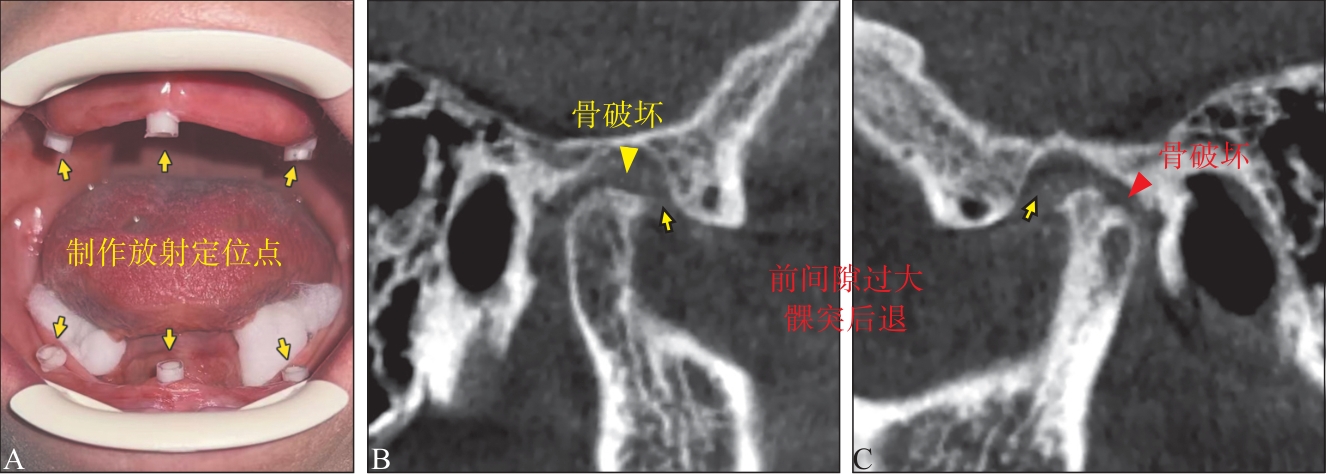
Initial intraoral examination revealed complete edentulism with mild alveolar ridge resorption"

Fig 2

Constructing the patient’s digital twin model using AVIA (version 2.0)"

Fig 3

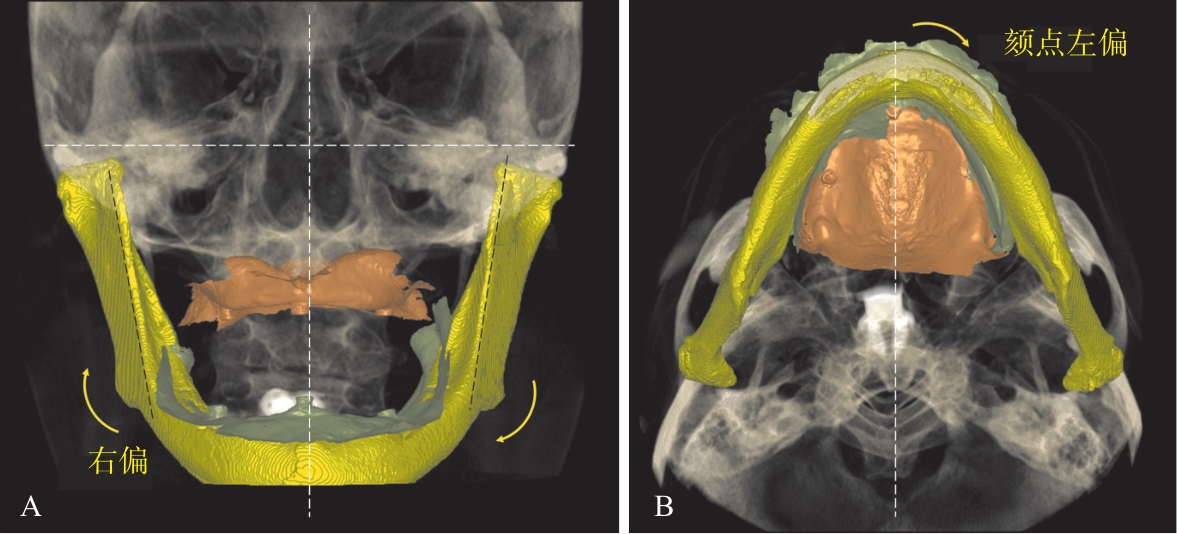
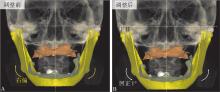
Simulated jaw position adjustment in coronal plane"

Fig 4

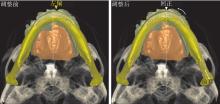
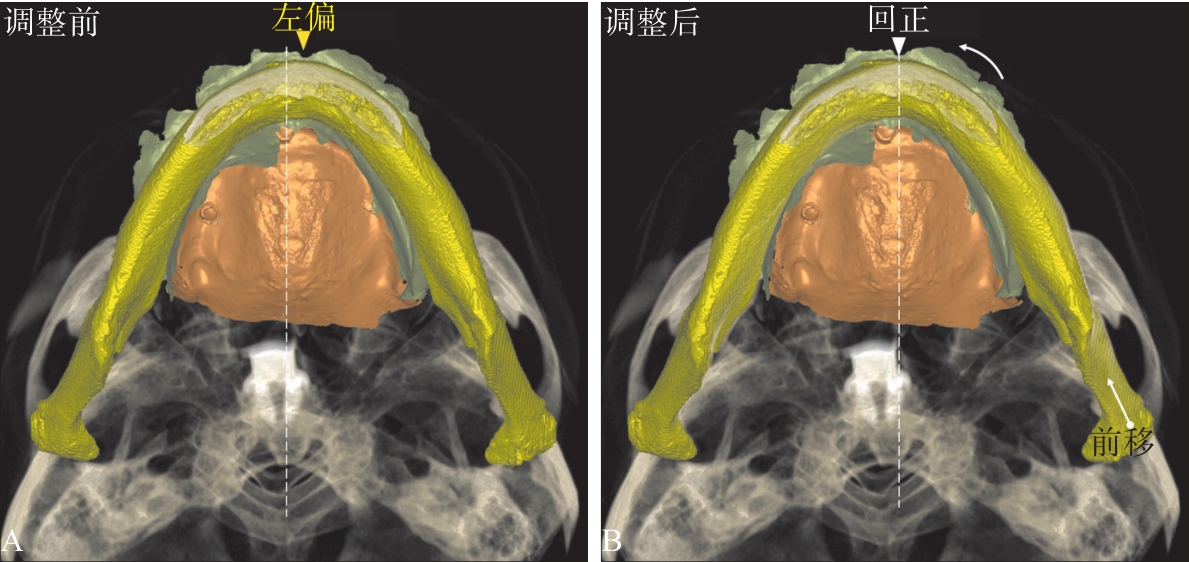
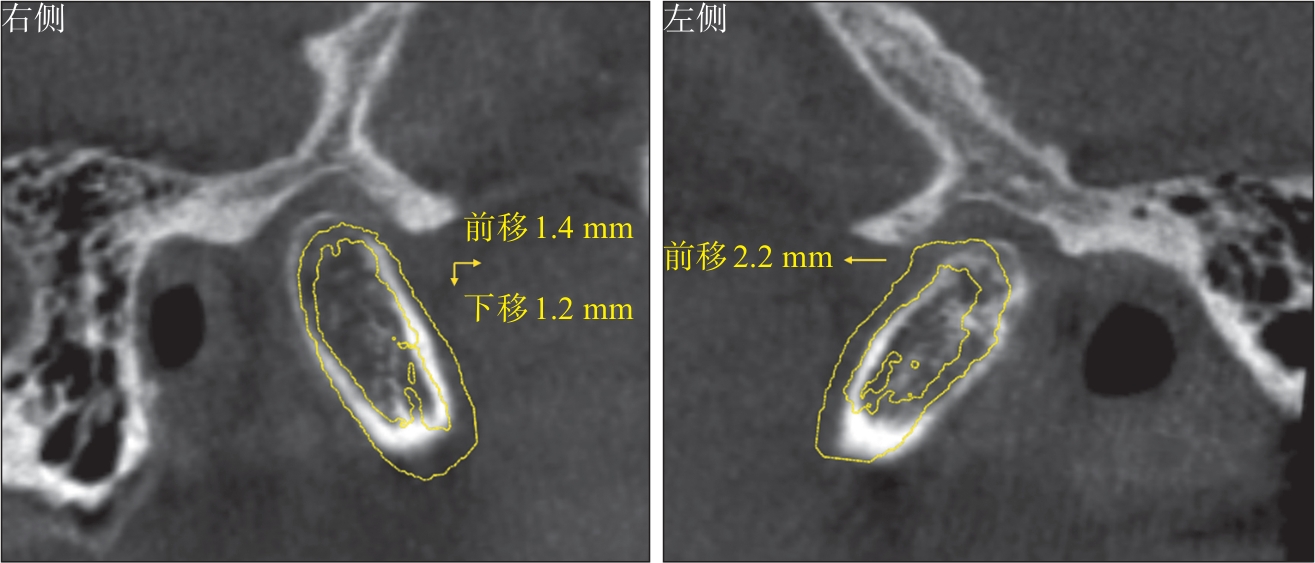
Simulated jaw position adjustment in horizontal plane"

Fig 5

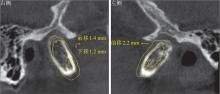
By differentially adjusting the positions of both condyles, a simulated treatment plan can be achieved"

Fig 6

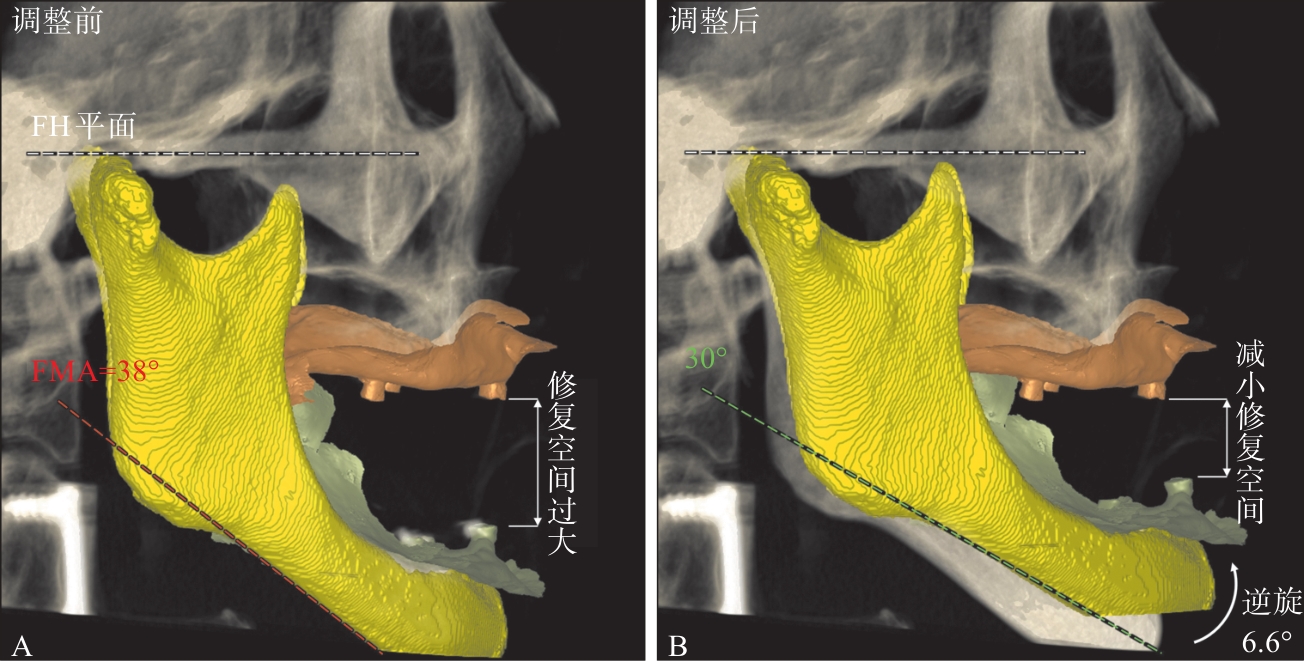
Simulating mandibular counterclockwise rotation on the sagittal plane, reducing the repair space"

Fig 7

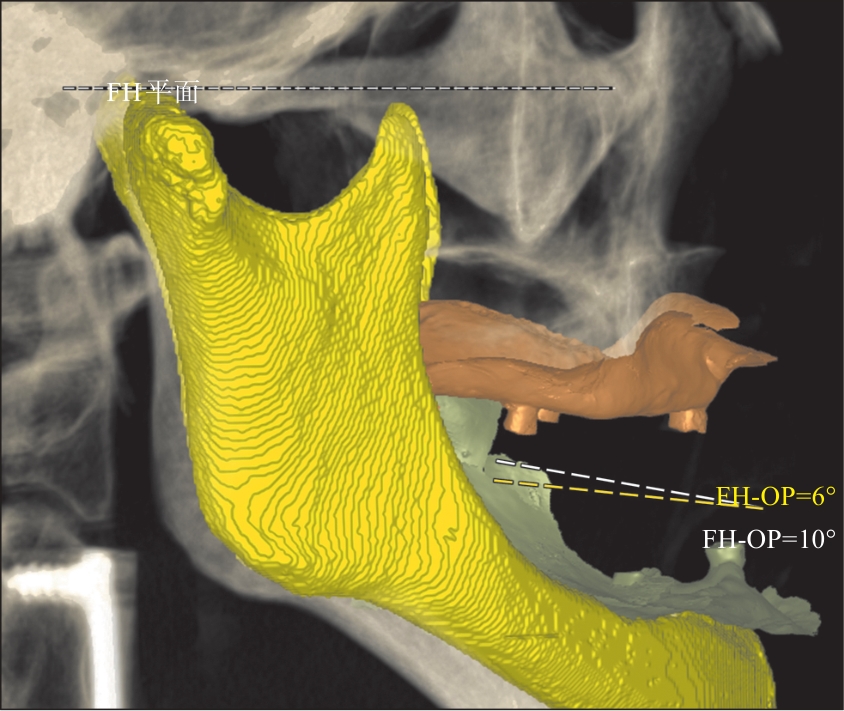
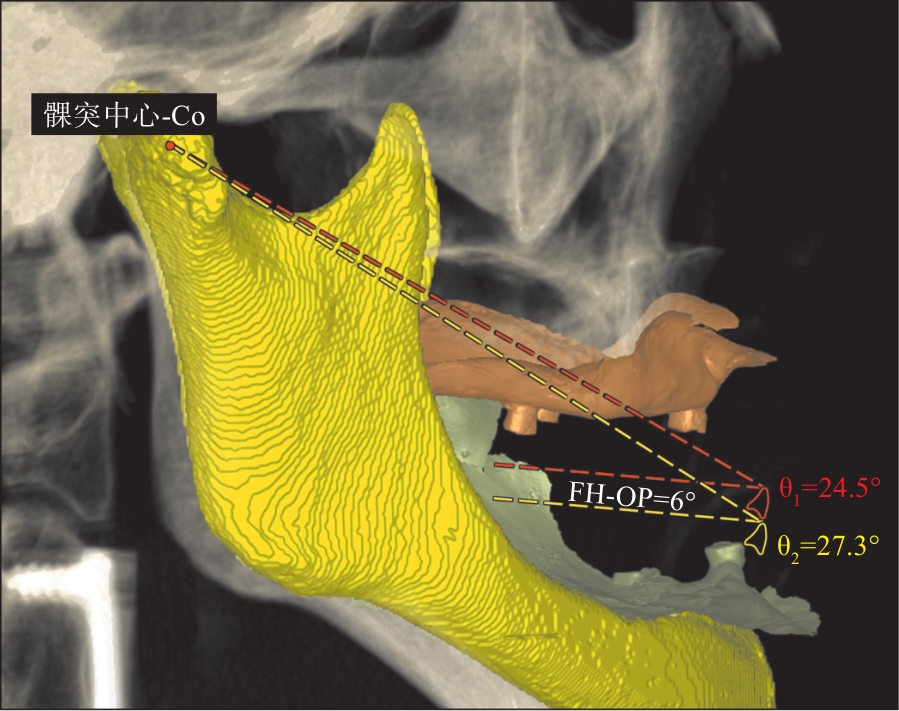
Adjustment strategy of FH-OP"

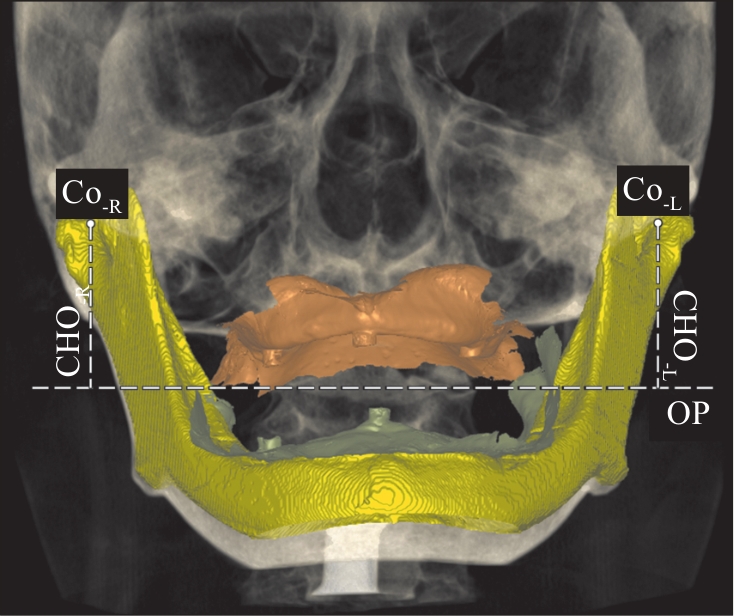
Fig 8

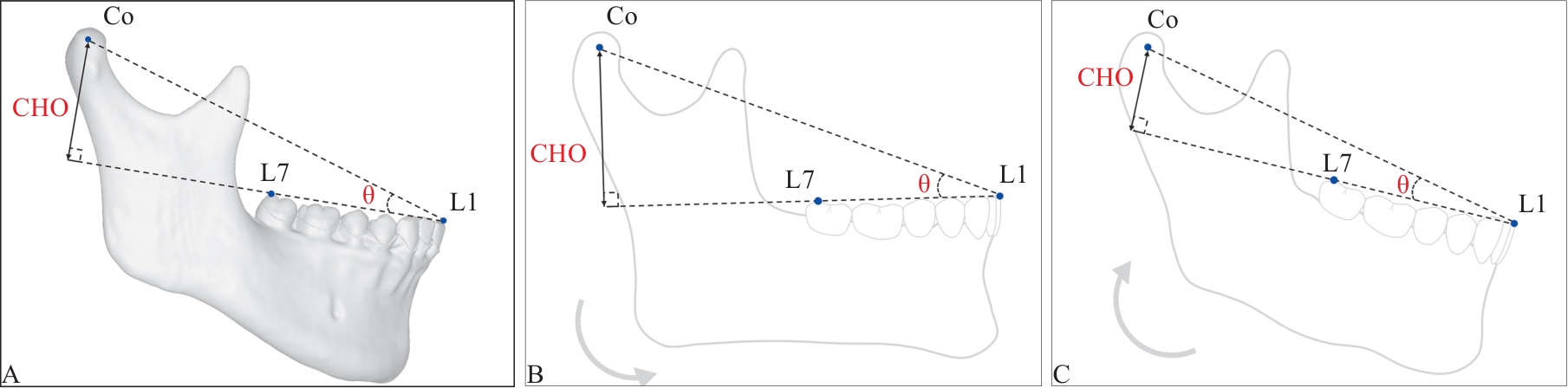
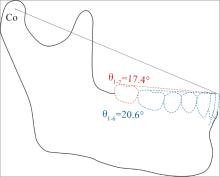
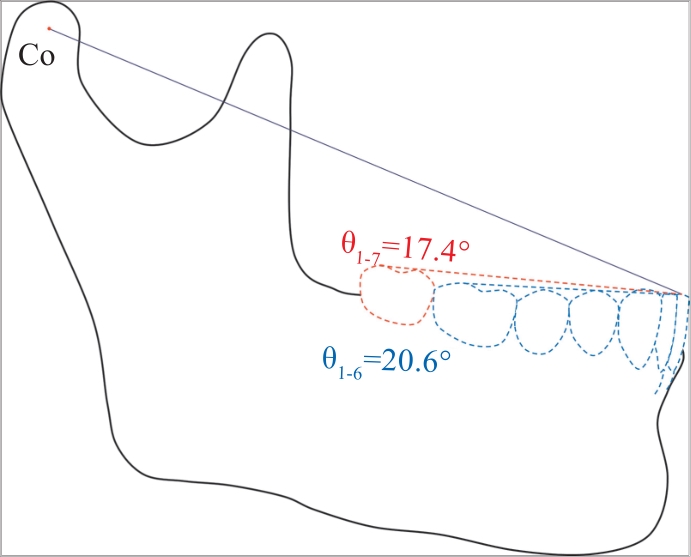
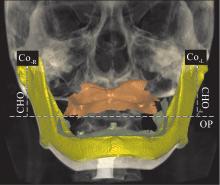
Schematic diagram illustrating the construction of the CHO and θ angle of the mandibular ramus"

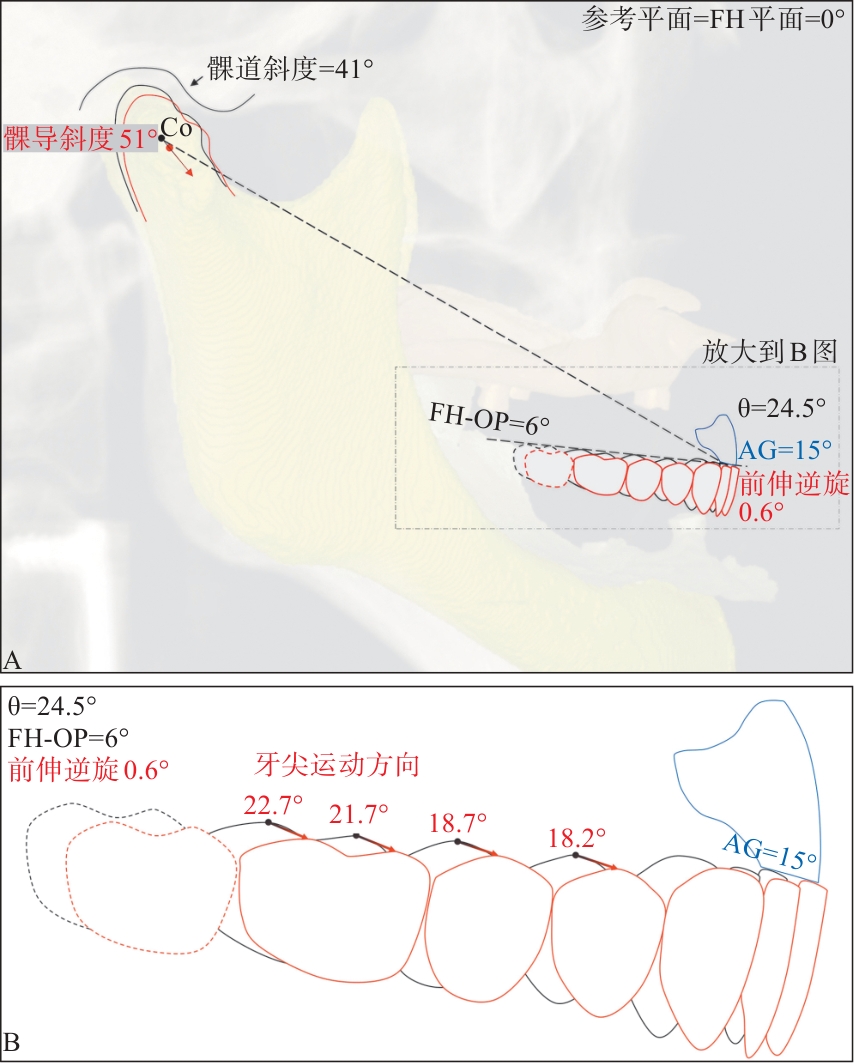
Fig 9

The combined application of FH-OP, CHO, and θ angle can determine the occlusal plane"

Fig 10

An application example of determining arch length using CHO"

Fig 11

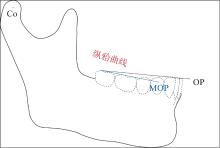
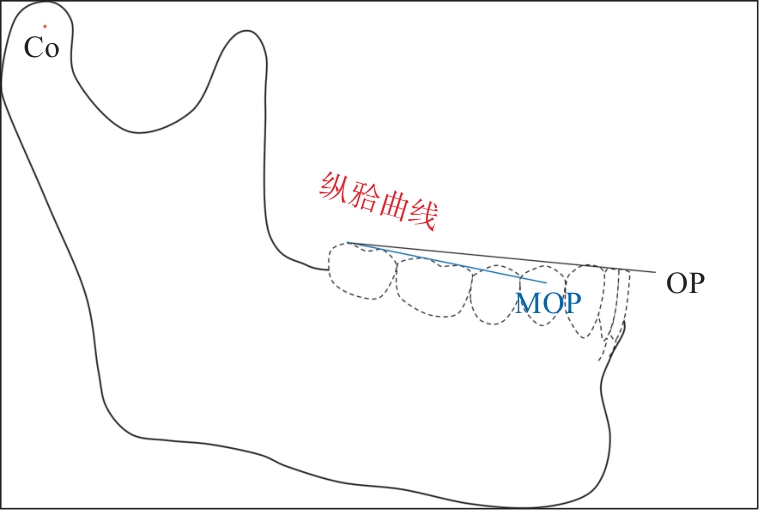
Relationship among the occlusal plane, molar occlusal plane, and the Spee’s curve"

Fig 12

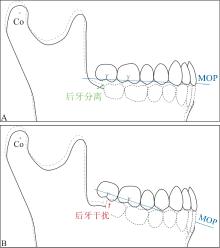
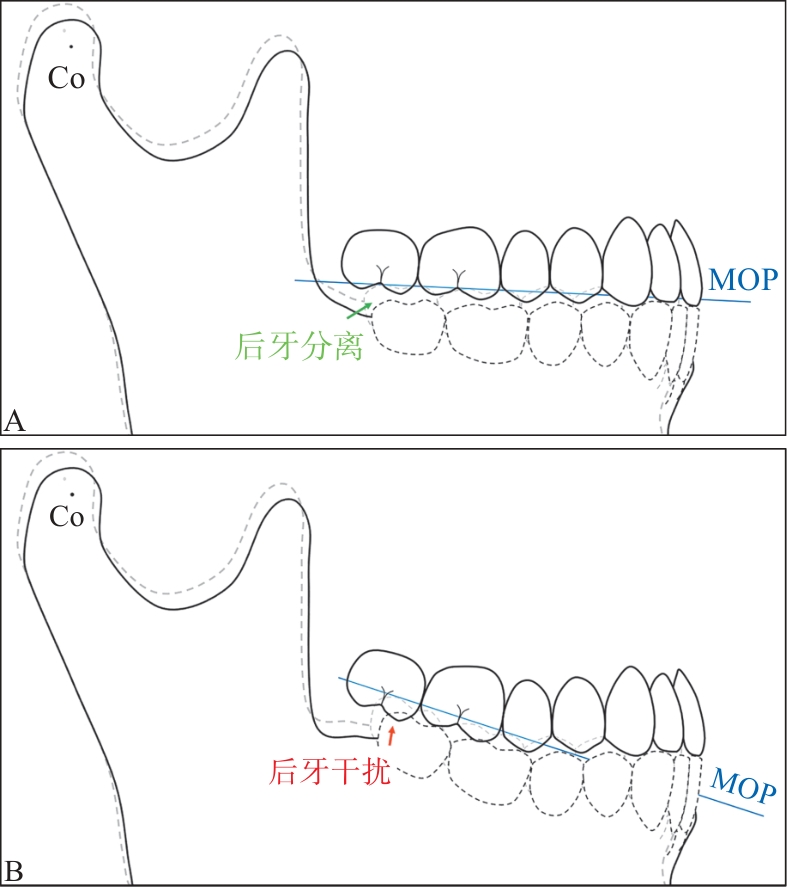
Adjustment strategies for FH-OP with different repair design types"

Fig 13

Bilateral occlusal plane design strategy"

Fig 14

Schematic diagram illustrating the design process of various occlusal parameters"

Fig 15

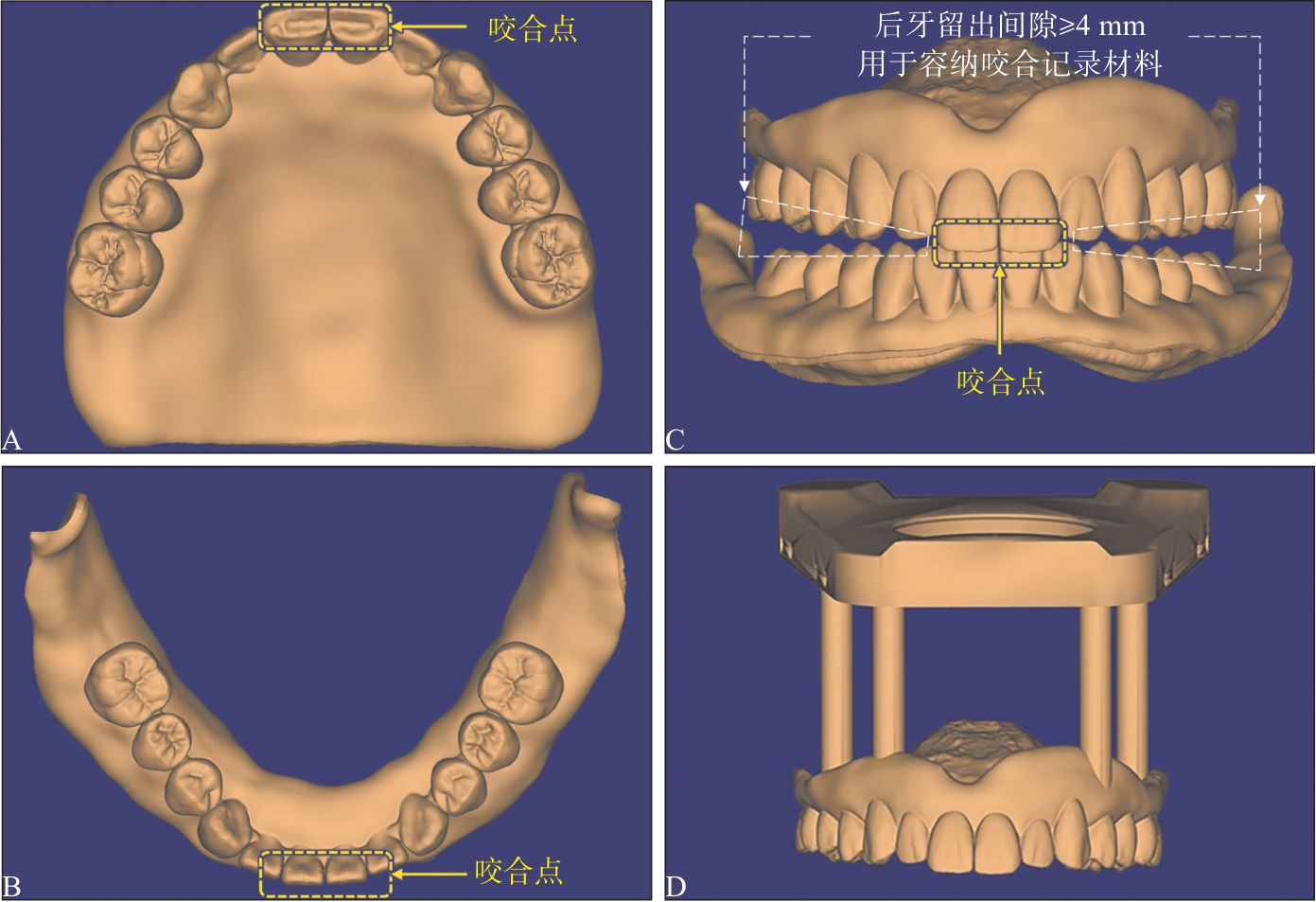
Individualized design of the provisional denture and articulator transfer jig"

Fig 16

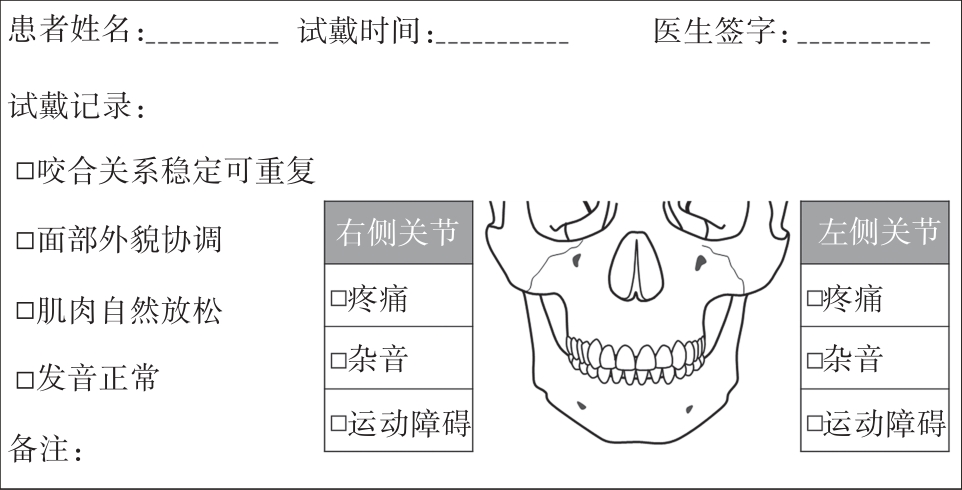
The try-in record form"

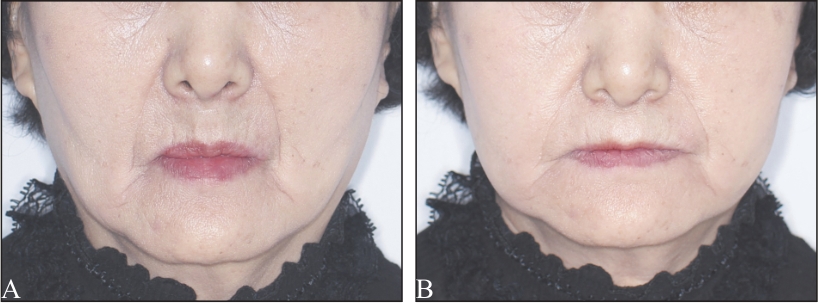
Fig 17

Changes in facial appearance during try-in"

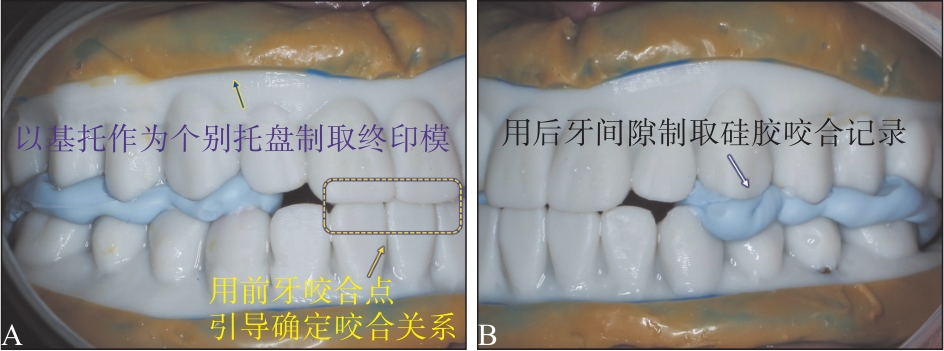
Fig 18

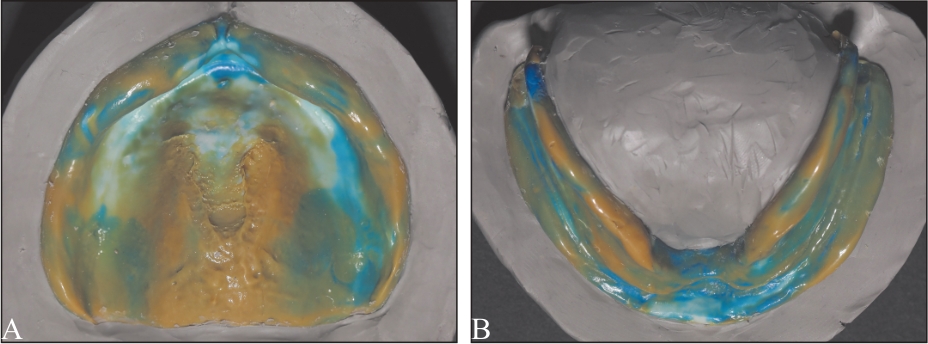
The base of the temporary denture was used as a custom tray for the final impression"

Fig 19

Boxing and pouring of the working model from the final impression"

Fig 20

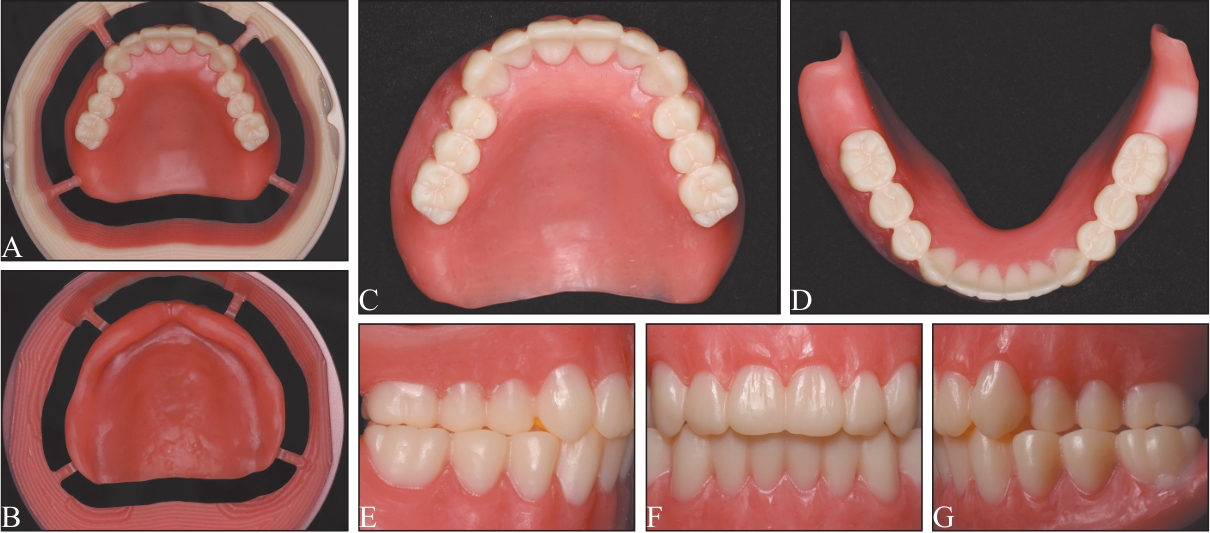
Fabrication of the definitive restoration via computer numerical control milling"

Fig 21

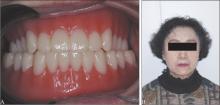
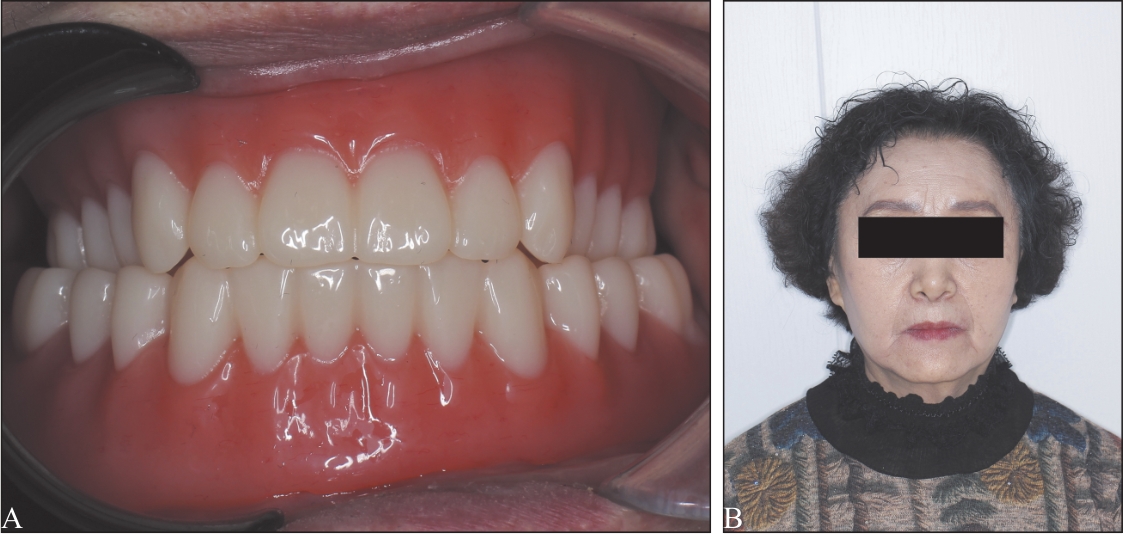
The definitice denture achieved stable occlusion (A), and improved profile (B)"

Fig 22

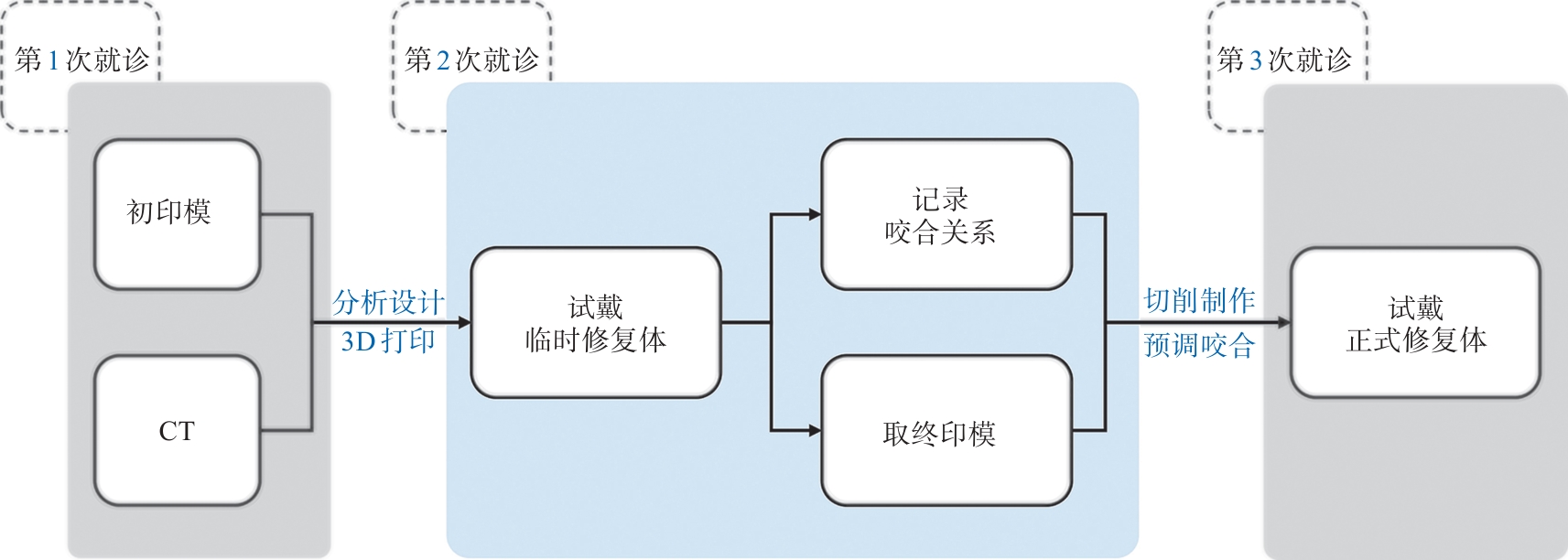
The novel complete denture prosthetic workflow chart"

[1] The glossary of prosthodontic terms 2023: tenth edition[J]. J Prosthet Dent, 2023, 130(4 ): e1-e3.
[2] 骆小平.牙齿磨损的病因、分类及修复重建治疗进展[J].中华口腔医学杂志, 2016, 51(10): 577-582.
Luo XP. Etiology, classification and systematic restorative treatment of tooth wear[J]. Chin J Stomatol, 2016, 51(10): 577-582.
[3] Dinsdale A, Liang ZQ, Thomas L, et al. Are jaw range of motion, muscle function and proprioception impaired in adults with persistent temporomandibular disorders? A systematic review and meta-analysis[J]. J Oral Rehabil, 2020, 47(11): 1448-1478.
[4] 沈刚. 伴颞下颌关节病错牙合畸形的正畸治疗原则与方案[J]. 上海口腔医学, 2021, 30(4): 337-343.
Shen G. The orthodontic therapeutic principles for malocclusions concurring with temporomandibular joint disorders[J]. Shanghai J Stomatol, 2021, 30(4): 337-343.
[5] Pattaratiwanont R, Piemjai M, Garcia-Godoy F. Survival of posterior fixed partial dentures with minimal tooth reduction and improved esthetics: an in vitro study[J]. J Prosthet Dent, 2022, 127(4): 585-592.
[6] Gong YJ, Zhu JY, Zheng FJ, et al. Associations between condylar height relative to occlusal plane and condylar osseous condition and TMJ loading based on 3D measurements and finite element analysis[J]. Sci Rep, 2024, 14(1): 28919.
[7] Shu C, Xiong X, Huang LW, et al. The relation of cephalometric features to internal derangements of the temporomandibular joint: a systematic review and meta-analysis of observational studies[J]. Orthod Craniofac Res, 2021, 24(3): 305-313.
[8] Zhang YL, Liu Y, Shu JH, et al. Morphological study of the changes after sagittal split ramus osteo-tomy in patients with facial asymmetry: measurements of 3-dimensional modelling[J]. Br J Oral Maxillofac Surg, 2018, 56(10): 925-930.
[9] 朱锦怡, 龚衍吉, 郑芳杰, 等. 咬合异常与颞下颌关节紊乱症的关系再思考[J]. 口腔医学, 2024, 44(1): 24-30.
Zhu JY, Gong YJ, Zheng FJ, et al. Reevaluation of the association between the malocclusion and temporomandibular disorders[J]. Stomatology, 2024, 44(1): 24-30.
[10] Zhu JY, Gong YJ, Zheng FJ, et al. Relationships between functional temporomandibular joint space and disc morphology, position, and condylar os-seous condition in patients with temporomandibular disorder[J]. Clin Oral Investig, 2024, 28(3): 193.
[11] Shu JH, Xiong X, Chong DY, et al. The relations between the stress in temporomandibular joints and the deviated distances for mandibular asymmetric patients[J]. Proc Inst Mech Eng H, 2021, 235(1): 109-116.
[12] 龚衍吉, 刘洋, 尹德强. 数字孪生辅助调整颌位流程的临床新技术和应用效果研究[J]. 华西口腔医学杂志, 2024, 42(2): 268-275.
Gong YJ, Liu Y, Yin DQ. Effect of the application of digital technology-assisted optimization in the process of adjusting jaw position[J]. West China J Stomatol, 2024, 42(2): 268-275.
[13] Chemello PD, Wolford LM, Buschang PH. Occlusal plane alteration in orthognathic surgery: part Ⅱ: long-term stability of results[J]. Am J Orthod Dentofacial Orthop, 1994, 106(4): 434-440.
[14] Wolford LM, Chemello PD, Hilliard F. Occlusal plane alteration in orthognathic surgery: part Ⅰ: effects on function and esthetics[J]. Am J Orthod Dentofacial Orthop, 1994, 106(3): 304-316.
[15] 刘洋, 张亮. 咬合功能分析——临床实用技术图解[M]. 2版. 南京: 江苏凤凰科学技术出版社, 2021: 2.
Liu Y, Zhang L. Practical atlas for occlusion analysis[M]. 2nd ed. Nanjing: Jiangsu Phoenix Science and Technology Publishing House, 2021: 2.
[16] Kandasamy S, Greene CS. The evolution of temporomandibular disorders: a shift from experience to evidence[J]. J Oral Pathol Med, 2020, 49(6): 461-469.
[17] Kalladka M, Young A, Thomas D, et al. The relation of temporomandibular disorders and dental occlusion: a narrative review[J]. Quintessence Int, 2022, 53(5): 450-459.
[18] Hwang CJ, Sung SJ, Kim SJ. Lateral cephalometric characteristics of malocclusion patients with temporomandibular joint disorder symptoms[J]. Am J Orthod Dentofacial Orthop, 2006, 129(4): 497-503.
[19] 钟嘉伟, 范佩迪, 胡首杉, 等. 前后牙合平面与颞下颌骨关节病关系的影像研究[J]. 华西口腔医学杂志, 2023, 41(3): 297-304.
Zhong JW, Fan PD, Hu SS, et al. Imaging study on the relationship between anterior and posterior occlusal planes and temporomandibular osteoarthrosis[J]. West China J Stomatol, 2023, 41(3): 297-304.
[20] Chen S, Lei J, Fu KY, et al. Cephalometric analysis of the facial skeletal morphology of female patients exhibiting skeletal Class Ⅱ deformity with and without temporomandibular joint osteoarthrosis[J]. PLoS One, 2015, 10(10): e0139743.
[21] Liu W, Liu SY, Xiong X, et al. Condyle bone destruction: the association between temporomandibular joint vibration and finite element analysis[J]. Oral Radiol, 2022, 38(4): 565-574.
[22] Zheng FJ, Gong YJ, Zhu YF, et al. Three-dimensio-nal theoretical model for effectively describing the effect of craniomaxillofacial structural factors on loading situation in the temporomandibular joint[J]. J Mech Behav Biomed Mater, 2024, 151: 106371.
[23] Fushima K, Kitamura Y, Mita H, et al. Significance of the cant of the posterior occlusal plane in Class Ⅱ division 1 malocclusions[J]. Eur J Orthod, 1996, 18(1): 27-40.
[24] Cifter ED. Effects of occlusal plane inclination on the temporomandibular joint stress distribution: a three-dimensional finite element analysis[J]. Int J Clin Pract, 2022, 2022: 2171049.
[25] Li ZJ, Yang Z, Lan TT, et al. Worn is born: the role of the maxillo-mandibular relation in management of worn dentition[J]. Med Hypotheses, 2017, 104: 156-159.
[26] 李波. 咬合重建修复中的相关牙合学问题[J]. 中国实用口腔科杂志, 2019, 12(1): 6-9.
Li B. Occlusion-related problems in occlusal reconstruction[J]. Chin J Pract Stomatol, 2019, 12(1): 6-9.
[27] 何三纲. 口腔解剖生理学[M]. 8版. 北京: 人民卫生出版社, 2020: 74.
He SG. Oral anatomy and physiology[M]. 8th ed. Beijing: People’s Medical Publishing House, 2020: 74.
[28] Wang XR, Zhang Y, Xing N, et al. Stable tooth contacts in intercuspal occlusion makes for utilities of the jaw elevators during maximal voluntary clen-ching[J]. J Oral Rehabil, 2013, 40(5): 319-328.
[29] 王美青. 现代牙合学[M]. 北京: 人民卫生出版社, 2006: 17.
Wang MQ. Contemporary dental-occlusion[M]. Beijing: People’s Medical Publishing House, 2006: 17.
[30] Zhu YF, Zheng FJ, Gong YJ, et al. Effect of occlusal contact on TMJ loading during occlusion: an in silico study[J]. Comput Biol Med, 2024, 178: 108725.
[31] Zhu YF, Zheng FJ, Gong YJ, et al. Biomechanical behavior of customized splint for the patient with temporomandibular disorders: a three-dimensional finite element analysis[J]. Biocybern Biomed Eng, 2024, 44(1): 83-94.
[1] Mengya Wang,Jiafeng Li,Zheng Zhang,Feng Yang. Advances in occlusal contact design of posterior implant-supported single crown [J]. Int J Stomatol, 2026, 53(4): 487-495.
[2] Zhihong Feng. Application and experience of digital technology in complete denture restoration [J]. Int J Stomatol, 2025, 52(6): 701-712.
[3] Haonan Zou,Qi Wang. Clinical strategies of diode laser in prosthodontic soft tissue management [J]. Int J Stomatol, 2025, 52(4): 436-442.
[4] Aimin Cui,Qi Wang. Research progress and trends on digital prosthetic technology for removable dentures [J]. Int J Stomatol, 2025, 52(1): 11-17.
[5] Liu Yang,Yin Deqiang. Introducing a novel digital articulation workflow with high precision [J]. Int J Stomatol, 2023, 50(5): 499-505.
[6] Sun Shuzhen,Yang Yadong,Yang Jian. Research progress on complete denture with neutral zone technology [J]. Int J Stomatol, 2019, 46(6): 735-739.
[7] Chang-hong Hu. A concept of returning to the therapeutic nature in treatment and restoration of the edentulous cases [J]. Inter J Stomatol, 2018, 45(6): 621-627.
[8] Wan Qianbing. Research status and clinical outcomes of zirconia abutments [J]. Inter J Stomatol, 2018, 45(1): 1-8.
[9] Meng Yukun, Zong Yi. Research status and clinical application of ceramic veneer restorations [J]. Inter J Stomatol, 2017, 44(1): 1-10.
[10] Zhou Jinru, Chen Xiwen, Li Xin, Li Ziyan, Zhu Zhimin, Chen Wenchuan. Exploring the necessity of aesthetic education for prosthodontic postgraduates [J]. Inter J Stomatol, 2016, 43(3): 263-267.
[11] Sun Xuewu, Liu Zhonghao, Zhu Xiangkui, Yang Liu. Evaluation on the masticatory efficiency of patients by different methods of jaw relationship recording in replacing complete dentures [J]. Inter J Stomatol, 2014, 41(3): 286-288.
[12] Sun Xuewu, Liu Zhonghao, Zhu Xiangkui, Yang Liu.. Differences in the occlusional grinding among various methods of jaw relationship recording in complete denture replacement [J]. Inter J Stomatol, 2014, 41(2): 146-148.
[13] Sun Huiqiang1,2, Liu Jin2. Introduction on the progress of impression techniques of complete denture [J]. Inter J Stomatol, 2013, 40(6): 701-705.
[14] Wang Wanwei 1,Wei Yufang 2,Li Jun 1,Zhang Tingting 1 .. The effect of doctor-patient communication on complete denture restoration [J]. Inter J Stomatol, 2013, 40(2): 160-161.
[15] Qian Chao, Sun Jian.. Application of rapid prototyping technology in prosthodontics [J]. Inter J Stomatol, 2012, 39(3): 390-393.
Viewed
Full text


Abstract

Cited

  Shared   
  Discussed   
[1] Li Jialing1, Li Xiaobing2, Li Jiayuan3.. Changes in alveolar bone thickness due to retraction of lower anterior teeth[J]. Inter J Stomatol, 2011, 38(4): 392 -394 .
[2] HE Wei , LU Sheng -jun , LI Cheng -hao , MENG Tian , ZHOU Jing -lin , SHI Bing . Effect on incidence of cleft palate interfered by different do[J]. Inter J Stomatol, 2009, 36(3): 270 -272 .
[3] XU Wei, ZHAO Ke, ZHANG Xinping. Surface modification of dental nickel-titanium shape memory alloys[J]. Inter J Stomatol, 2010, 37(02): 221 -221~224 .
[4] Ye Niansong, Wang Sheng, Lai Wenli.. Research progress on gene involved in non-syndromic tooth agenesis[J]. Inter J Stomatol, 2011, 38(4): 416 -418 .
[5] FENG Zheng-Hu, LI Chun-Qing, WANG Ling, HAN Bing, NIE Hong-Bing, SU Xue-Lian. Expression of vascular endothelial growth factor-C in squamous cell carcinoma of the tongue with dif[J]. Inter J Stomatol, 2011, 38(1): 7 -9 .
[6] . [J]. Foreign Med Sci: Stomatol, 2001, 28(01): .
[7] . [J]. Foreign Med Sci: Stomatol, 2001, 28(01): .
[8] Men Yi, Li Chunjie, Li Longjiang, Han Bo, Xia Hui, Gao Ning. . Systematic review and Meta -analysis of ultrasonography guided fine -needle aspiration cytology for parotid tumors[J]. Inter J Stomatol, 2013, 40(4): 447 -450 .
[9] . [J]. Foreign Med Sci: Stomatol, 2002, 29(03): .
[10] . [J]. Foreign Med Sci: Stomatol, 1999, 26(04): .