国际口腔医学杂志 ›› 2026, Vol. 53 ›› Issue (6): 925-935.doi: 10.7518/gjkq.2026605
• 综述 • 上一篇
李哲玮( ),张勃昕,章梦媛,孙平()
Zhewei Li(),Boxin Zhang,Mengyuan Zhang,Ping Sun()
摘要:
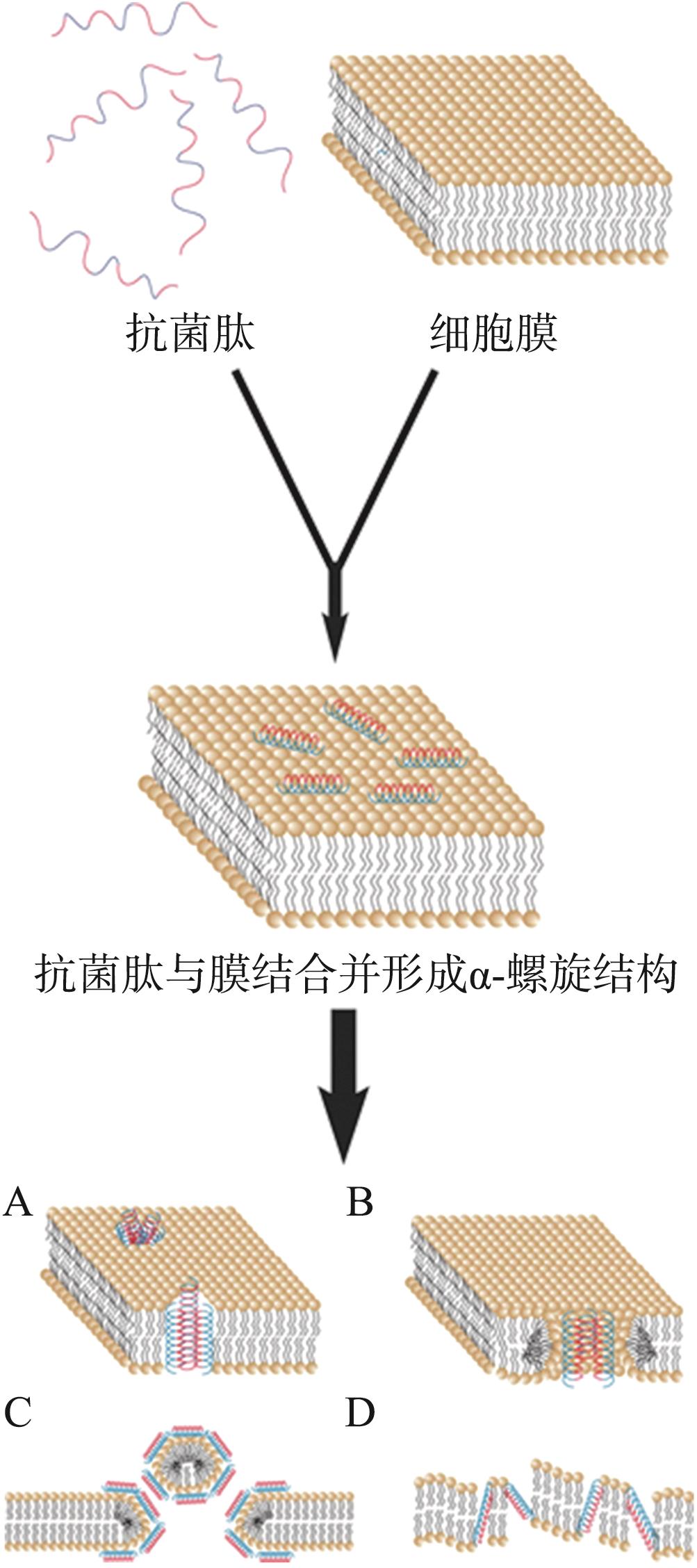
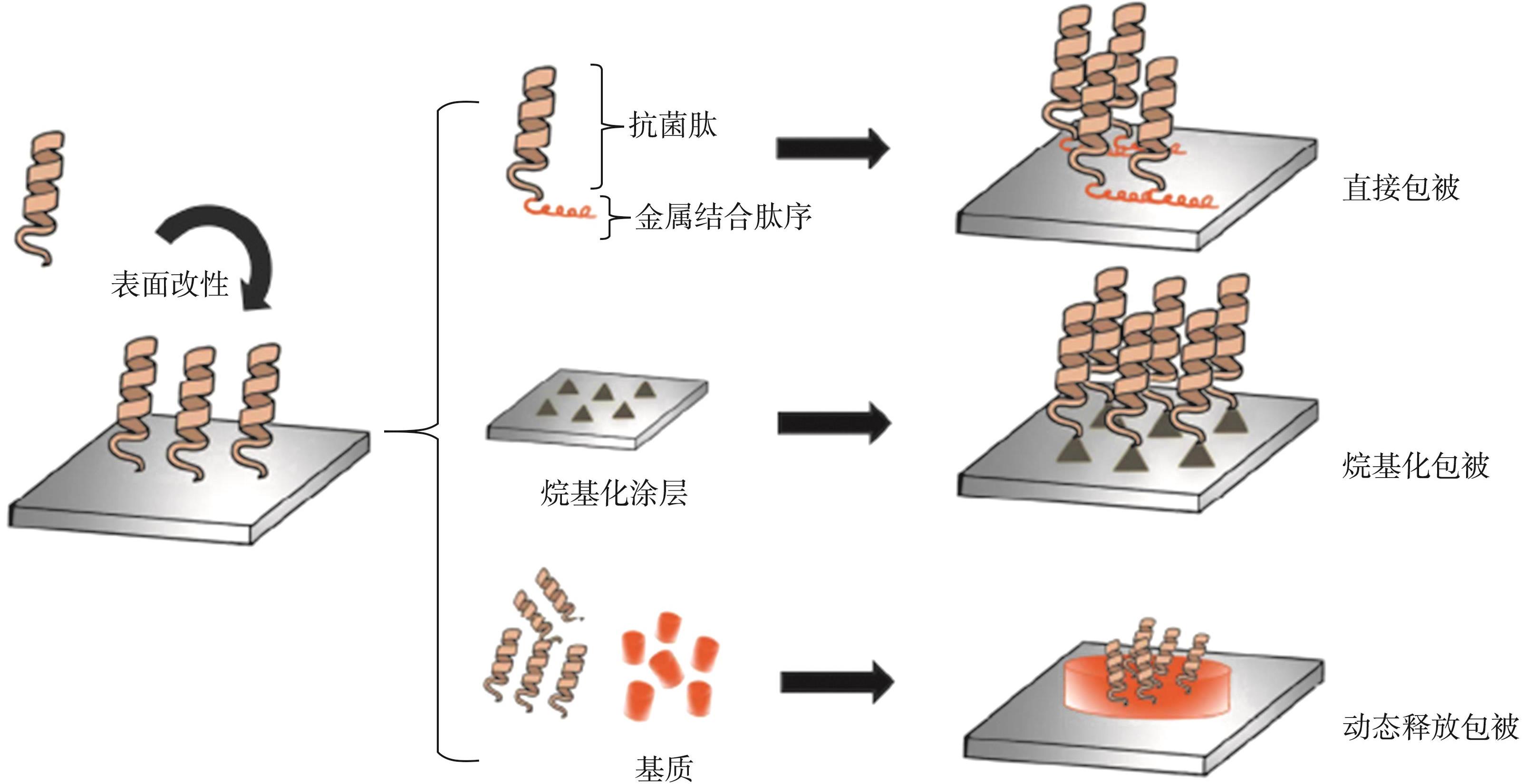
本文探讨了抗菌肽在种植体表面改性中的应用,以应对种植体周围炎导致的种植失败问题。通过分析抗菌肽的多靶点抗菌机制,包括膜靶向作用、代谢干扰、蛋白质合成抑制和免疫调节,系统总结了直接包被、烷基化包被和动态释放包被涂层3种表面改性策略的研究进展。抗菌肽能够抑制细菌生物膜的形成,有望降低种植体周围炎的发生率,同时提升种植体的抗菌性能和生物相容性,促进骨整合。抗菌肽在种植体表面改性中展现出广阔的应用前景,未来研究应进一步优化抗菌肽的结构与功能,并加强临床验证,以提高种植牙的成功率和患者的治疗效果。
中图分类号:
| [1] | Thanissorn C, Guo J, Jing Ying Chan D, et al. Success rates and complications associated with single immediate implants: a systematic review[J]. Dent J (Basel), 2022, 10(2): 31. |
| [2] | Rosales-Leal JI, Rodríguez-Valverde MA, Mazzaglia G, et al. Effect of roughness, wettability and morphology of engineered titanium surfaces on osteoblast-like cell adhesion[J]. Colloids Surf A Physicochem Eng Asp, 2010, 365(1/2/3): 222-229. |
| [3] | Nguyen-Hieu T, Borghetti A, Aboudharam G. Peri-implantitis: from diagnosis to therapeutics[J]. J Investig Clin Dent, 2012, 3(2): 79-94. |
| [4] | Wu SY, Xu JM, Zou LY, et al. Long-lasting renewable antibacterial porous polymeric coatings enable titanium biomaterials to prevent and treat peri-implant infection[J]. Nat Commun, 2021, 12: 3303. |
| [5] | Shemtov-Yona K, Rittel D. Fatigue of dental implants: facts and fallacies[J]. Dent J (Basel), 2016, 4(2): 16. |
| [6] | Liu ZQ, Liu XL, Ramakrishna S. Surface enginee-ring of biomaterials in orthopedic and dental implants: strategies to improve osteointegration, bacteriostatic and bactericidal activities[J]. Biotechnol J, 2021, 16(7): e2000116. |
| [7] | Chun Giok K, Menon RK. The microbiome of peri-implantitis: a systematic review of next-generation sequencing studies[J]. Antibiotics, 2023, 12(11): 1610. |
| [8] | Ghensi P, Manghi P, Zolfo M, et al. Strong oral plaque microbiome signatures for dental implant di-seases identified by strain-resolution metagenomics[J]. NPJ Biofilms Microbiomes, 2020, 6(1): 47. |
| [9] | Jenkinson HF, Lamont RJ. Oral microbial communities in sickness and in health[J]. Trends Microbiol, 2005, 13(12): 589-595. |
| [10] | Gristina AG, Naylor P, Myrvik Q. Infections from biomaterials and implants: a race for the surface[J]. Med Prog Technol, 1988, 14(3/4): 205-224. |
| [11] | Batoni G, Maisetta G, Esin S. Antimicrobial pepti-des and their interaction with biofilms of medically relevant bacteria[J]. Biochim Biophys Acta, 2016, 1858(5): 1044-1060. |
| [12] | Schwarz F, Derks J, Monje A, et al. Peri-implantitis[J]. J Periodontol, 2018, 89(): S267-S290. |
| [13] | Fang DD, Yuran S, Reches M, et al. A peptide coa-ting preventing the attachment of Porphyromonas gingivalis on the surfaces of dental implants[J]. J Periodontal Res, 2020, 55(4): 503-510. |
| [14] | Nagay BE, Dini C, Cordeiro JM, et al. Visible-light-induced photocatalytic and antibacterial activity of TiO2 codoped with nitrogen and bismuth: new perspectives to control implant-biofilm-related disea-ses[J]. ACS Appl Mater Interfaces, 2019, 11(20): 18186-18202. |
| [15] | Schwarz F, Derks J, Monje A, et al. Peri-implantitis[J]. J Clin Periodontol, 2018, 45(): S246-S266. |
| [16] | Hizal F, Zhuk I, Sukhishvili S, et al. Impact of 3D hierarchical nanostructures on the antibacterial efficacy of a bacteria-triggered self-defensive antibiotic coating[J]. ACS Appl Mater Interfaces, 2015, 7(36): 20304-20313. |
| [17] | Mahlapuu M, Håkansson J, Ringstad L, et al. Antimicrobial peptides: an emerging category of therapeutic agents[J]. Front Cell Infect Microbiol, 2016, 6: 194. |
| [18] | Bin Hafeez A, Jiang XK, Bergen PJ, et al. Antimicrobial peptides: an update on classifications and databases[J]. Int J Mol Sci, 2021, 22(21): 11691. |
| [19] | Riool M, de Breij A, Drijfhout JW, et al. Antimicrobial peptides in biomedical device manufacturing[J]. Front Chem, 2017, 5: 63. |
| [20] | Tan XW, Goh TW, Saraswathi P, et al. Effectiveness of antimicrobial peptide immobilization for preven-ting perioperative cornea implant-associated bacte-rial infection[J]. Antimicrob Agents Chemother, 2014, 58(9): 5229-5238. |
| [21] | Epand RM, Walker C, Epand RF, et al. Molecular mechanisms of membrane targeting antibiotics[J]. Biochim Biophys Acta, 2016, 1858(5): 980-987. |
| [22] | Raheem N, Straus SK. Mechanisms of action for antimicrobial peptides with antibacterial and antibiofilm functions[J]. Front Microbiol, 2019, 10: 2866. |
| [23] | Luo Y, Song YZ. Mechanism of antimicrobial peptides: antimicrobial, anti-inflammatory and antibiofilm activities[J]. Int J Mol Sci, 2021, 22(21): 11401. |
| [24] | Kumar P, Kizhakkedathu JN, Straus SK. Antimicrobial peptides: diversity, mechanism of action and strategies to improve the activity and biocompatibility in vivo [J]. Biomolecules, 2018, 8(1): 4. |
| [25] | Ahmed TAE, Hammami R. Recent insights into structure-function relationships of antimicrobial peptides[J]. J Food Biochem, 2019, 43(1): e12546. |
| [26] | He Q, Yang ZH, Zou ZP, et al. Combating Escherichia coli O157: H7 with functionalized chickpea-derived antimicrobial peptides[J]. Adv Sci, 2023, 10(6): e2205301. |
| [27] | Wu RX, Li N, Huang WL, et al. Melittin suppresses ovarian cancer growth by regulating SREBP1-me-diated lipid metabolism[J]. Phytomedicine, 2025, 137: 156367. |
| [28] | Sass V, Schneider T, Wilmes M, et al. Human β-defensin 3 inhibits cell wall biosynthesis in staphylococci[J]. Infect Immun, 2010, 78(6): 2793-2800. |
| [29] | de Leeuw E, Li CQ, Zeng PY, et al. Functional interaction of human neutrophil peptide-1 with the cell wall precursor lipid Ⅱ[J]. FEBS Lett, 2010, 584(8): 1543-1548. |
| [30] | Le CF, Fang CM, Sekaran SD. Intracellular targe-ting mechanisms by antimicrobial peptides[J]. Antimicrob Agents Chemother, 2017, 61(4): e02340-16. |
| [31] | Wang DS, Yu XJ, Sheng P, et al. The transcriptomic mechanism of a novel autolysis induced by a recombinant antibacterial peptide from chicken expressed in Pichia pastoris[J]. Molecules, 2022, 27(6): 2029. |
| [32] | Wang N, Gao J, Wang QY, et al. Antimicrobial peptide antibiotics inhibit aerobic denitrification via affecting electron transportation and remolding carbon metabolism[J]. J Hazard Mater, 2022, 431: 128616. |
| [33] | Ghosh A, Kar RK, Jana J, et al. Indolicidin targets duplex DNA: structural and mechanistic insight through a combination of spectroscopy and microscopy[J]. Chem Med Chem, 2014, 9(9): 2052-2058. |
| [34] | Marchand C, Krajewski K, Lee HF, et al. Covalent binding of the natural antimicrobial peptide indoli-cidin to DNA abasic sites[J]. Nucleic Acids Res, 2006, 34(18): 5157-5165. |
| [35] | Huang CK, Zhan LJ, Ai YX, et al. LSP1 is the major substrate for mitogen-activated protein kinase-activated protein kinase 2 in human neutrophils[J]. J Biol Chem, 1997, 272(1): 17-19. |
| [36] | Biragyn A, Surenhu M, Yang D, et al. Mediators of innate immunity that target immature, but not mature, dendritic cells induce antitumor immunity when genetically fused with nonimmunogenic tumor antigens[J]. J Immunol, 2001, 167(11): 6644-6653. |
| [37] | Presicce P, Giannelli S, Taddeo A, et al. Human defensins activate monocyte-derived dendritic cells, promote the production of proinflammatory cytokines, and up-regulate the surface expression of CD-91[J]. J Leukoc Biol, 2009, 86(4): 941-948. |
| [38] | Territo MC, Ganz T, Selsted ME, et al. Monocyte-chemotactic activity of defensins from human neutrophils[J]. J Clin Invest, 1989, 84(6): 2017-2020. |
| [39] | Yoshioka M, Fukuishi N, Kubo Y, et al. Human cathelicidin CAP18/LL-37 changes mast cell function toward innate immunity[J]. Biol Pharm Bull, 2008, 31(2): 212-216. |
| [40] | Guryanova SV, Ovchinnikova TV. Immunomodulatory and allergenic properties of antimicrobial peptides[J]. Int J Mol Sci, 2022, 23(5): 2499. |
| [41] | Nagaoka I, Tamura H, Hirata M. An antimicrobial cathelicidin peptide, human CAP18/LL-37, suppresses neutrophil apoptosis via the activation of formyl-peptide receptor-like 1 and P2X7[J]. J Immunol, 2006, 176(5): 3044-3052. |
| [42] | Boniotto M, Jordan WJ, Eskdale J, et al. Human β- defensin 2 induces a vigorous cytokine response in peripheral blood mononuclear cells[J]. Antimicrob Agents Chemother, 2006, 50(4): 1433-1441. |
| [43] | Tewary P, de la Rosa G, Sharma N, et al. β-Defensin 2 and 3 promote the uptake of self or CpG DNA, enhance IFN-α production by human plasmacytoid dendritic cells, and promote inflammation[J]. J Immunol, 2013, 191(2): 865-874. |
| [44] | Bowdish DME, Davidson DJ, Hancock REW. Immunomodulatory properties of defensins and cathelicidins[M]//Current topics in microbiology and immunology. Berlin: Springer, 2006: 27-66. |
| [45] | Zheng Y, Niyonsaba F, Ushio H, et al. Cathelicidin LL-37 induces the generation of reactive oxygen species and release of human α-defensins from neutrophils[J]. Br J Dermatol, 2007, 157(6): 1124-1131. |
| [46] | Chen XX, Zhou L, Wu D, et al. The effects of titanium surfaces modified with an antimicrobial peptide GL13K by silanization on polarization, anti-inflammatory, and proinflammatory properties of macrophages[J]. Biomed Res Int, 2020: 2327034. |
| [47] | Jia FH, Xu DY, Sun YX, et al. Strontium-calcium doped titanium dioxide nanotubes loaded with GL-13K for promotion of antibacterial activity, anti-inflammation, and vascularized bone regeneration[J]. Ceram Int, 2023, 49(22): 35703-35721. |
| [48] | Grover V, Chopra P, Mehta M, et al. Improvisation and evaluation of laterosporulin coated titanium surfaces for dental applications: an in vitro investigation[J]. Indian J Microbiol, 2021, 61(2): 203-211. |
| [49] | Wisdom C, Chen C, Yuca E, et al. Repeatedly applied peptide film kills bacteria on dental implants[J]. JOM, 2019, 71(4): 1271-1280. |
| [50] | Yazici H, O'Neill MB, Kacar T, et al. Engineered chimeric peptides as antimicrobial surface coating agents toward infection-free implants[J]. ACS Appl Mater Interfaces, 2016, 8(8): 5070-5081. |
| [51] | Geng HJ, Yuan Y, Adayi A, et al. Engineered chimeric peptides with antimicrobial and titanium-binding functions to inhibit biofilm formation on Ti implants[J]. Mater Sci Eng C, 2018, 82: 141-154. |
| [52] | Geng HJ, Sun X, Zhang X, et al. Efficient titanium surface modified using bifunctional chimeric pepti-des to prevent biofilm formation by multiple microorganisms[J]. Colloids Surf B Biointerfaces, 2023, 230: 113534. |
| [53] | Godoy-Gallardo M, Mas-Moruno C, Fernández-Cal-derón MC, et al. Covalent immobilization of hLf1-11 peptide on a titanium surface reduces bacterial adhesion and biofilm formation[J]. Acta Biomater, 2014, 10(8): 3522-3534. |
| [54] | Zhou L, Lai YZ, Huang WX, et al. Biofunctionalization of microgroove titanium surfaces with an antimicrobial peptide to enhance their bactericidal acti-vity and cytocompatibility[J]. Colloids Surf B Biointerfaces, 2015, 128: 552-560. |
| [55] | Xu L, Huang ZW. Effect of surface nanomodification of titanium implants on adhesion, bone bon-ding, and bacterial aggregation of gingival epithelial cells and fibroblasts[J]. Sci Adv Mater, 2023, 15(8): 1072-1081. |
| [56] | Mutreja I, Lan CX, Li QS, et al. Chemoselective coatings of GL13K antimicrobial peptides for dental implants[J]. Pharmaceutics, 2023, 15(10): 2418. |
| [57] | Li T, Wang N, Chen S, et al. Antibacterial activity and cytocompatibility of an implant coating consis-ting of TiO2 nanotubes combined with a GL13K antimicrobial peptide[J]. Int J Nanomedicine, 2017, 12: 2995-3007. |
| [58] | Yazici H, Habib G, Boone K, et al. Self-assembling antimicrobial peptides on nanotubular titanium surfaces coated with calcium phosphate for local therapy[J]. Mater Sci Eng C Mater Biol Appl, 2019, 94: 333-343. |
| [59] | Zhou L, Xing YF, Ou YJ, et al. Prolonged release of an antimicrobial peptide GL13K-loaded thermosensitive hydrogel on a titanium surface improves its antibacterial and anti-inflammatory properties[J]. RSC Adv, 2023, 13(33): 23308-23319. |
| [1] | 孙静怡,李岩峰. 种植体磨光整形术在种植体周炎治疗中的应用[J]. 国际口腔医学杂志, 2026, 53(5): 728-741. |
| [2] | 夏寒萍,刘娟,肖闻澜,姚毓洁,童昕,闫福华,陈斌. 骨整合学会/美国牙周病学会关于预防和管理种植体周病和状况的共识解读[J]. 国际口腔医学杂志, 2026, 53(4): 476-486. |
| [3] | 夏溦瑶,王婧,屈依丽. 逆行性种植体周炎病因与治疗的研究进展[J]. 国际口腔医学杂志, 2026, 53(4): 496-502. |
| [4] | 余铭轩,何茹逸,鄢荣曾. 仿生多孔钛种植体表面形貌介导骨免疫调控巨噬细胞行为的研究现状[J]. 国际口腔医学杂志, 2026, 53(2): 274-280. |
| [5] | 姚琳,邹玲,刘显. 大气冷等离子体在口腔组织再生中的研究进展[J]. 国际口腔医学杂志, 2025, 52(6): 816-822. |
| [6] | 祝舒钰,周静,谢志刚. 辅助性T细胞17与调节性T细胞之间的制衡效应调控口腔颌面部骨损伤修复的研究进展[J]. 国际口腔医学杂志, 2025, 52(4): 514-525. |
| [7] | 余杰, 刘劲松. 氧化锆种植体的表面修饰及其对骨整合的影响[J]. 国际口腔医学杂志, 2025, 52(3): 281-295. |
| [8] | 刘晶晶,唐睿,袁丽仙,刘鑫. 新型微种植体植入导板引导下微种植体植入成功率的研究[J]. 国际口腔医学杂志, 2025, 52(2): 205-209. |
| [9] | 章梦媛,卢洪叶,李千慧,孙平. 细胞自噬及其在口腔种植体骨结合中的作用与机制[J]. 国际口腔医学杂志, 2024, 51(6): 742-748. |
| [10] | 李佳敏,李毓晨,葛张洁,廖凌子,郭鑫,郭晓龙,周平. 抗菌肽在口腔钛种植体涂层中的研究进展[J]. 国际口腔医学杂志, 2024, 51(5): 572-584. |
| [11] | 张政,杨锋,李家锋,曹焜. 钛种植体抗菌化修饰的研究进展[J]. 国际口腔医学杂志, 2024, 51(5): 585-595. |
| [12] | 孙旭,邓振南,文才,赵颖. Er: YAG激光照射种植体表面微形貌变化的扫描电子显微镜观察[J]. 国际口腔医学杂志, 2023, 50(6): 669-673. |
| [13] | 黄元鸿,彭显,周学东. 骨碎补在治疗口腔骨相关疾病的研究进展[J]. 国际口腔医学杂志, 2023, 50(6): 679-685. |
| [14] | 龚佳明,赵瑞敏,潘宏伟,郎鑫,余占海,李健学. 动态导航与静态导航对种植体准确性的Meta分析[J]. 国际口腔医学杂志, 2023, 50(5): 538-551. |
| [15] | 陆倩,夏海斌,王敏. 种植体磨光整形术治疗种植体周围炎的研究进展[J]. 国际口腔医学杂志, 2023, 50(2): 152-158. |
|
||