Int J Stomatol ›› 2026, Vol. 53 ›› Issue (6): 798-809.doi: 10.7518/gjkq.2026146

• Expert Forum • Previous Articles     Next Articles

Growth and developmental principles of craniofacial structures: scientific and innovative deep thoughts on early orthodontic treatments

Xiaobing Li()   

  1. State Key Laboratory of Oral Diseases & National Center for Stomatology & National Clinical Research Center for Oral Diseases & Dept. of Pediatric Dentistry, West China Hospital of Stomatology, Sichuan University, Chengdu 610041, China
  • Received:2026-06-18 Revised:2026-09-22 Online:2026-11-01 Published:2026-10-29
  • Contact: Xiaobing Li E-mail:909984963@qq.com

Abstract:

Early orthodontic treatments for children’s malocclusion follow the principles of craniofacial and occlusal growth and development, deeply understand the role of genetic and environmental factors in the occurrence and development of the malocclusion, scientifically select the optimal timing and indications for treatments, and promptly prevent and intercept the occurrence and development of malocclusion. The goal of early orthodontic treatments is to reduce the incidence of the malocclusion, maximize the maintenance of the harmonized growth and aesthetic profiles of craniofacial and occlusal morphological structures, and preserve normal oral functions and good oral health. From the perspective of craniofacial and occlusal growth and development, this work elaborates on growth and developmental characteristics, including hierarchical control from top to bottom of the genetic regulation of craniofacial and occlusal growth pattern, and the balance and compensation features of craniofacial growth. It further explores the potential significance of craniofacial and occlusal growth patterns to guide the clinical strategies of early malocclusion treatment. The development of the cranium and cranial base genetically regulates the growth and development of maxillofacial complex. A good craniofacial and occlusal morphology determines a good maxillofacial morphology. Early orthodontic treatments cannot correct skeletal malocclusion caused by the abnormal morphology of the cranium and cranial base. However, as the structural hierarchy of the craniofacial and occlusal regions descends, the efficacy of early orthodontic treatment increases. The malocclusion is the disruption of the “balance” and “compensation” of the craniofacial and occlusal system. The strategy of early orthodontic treatment is to promote the “compensatory” efficiency of the craniofacial and occlusal system, reduce the adverse impact of the “imbalance” in craniofacial and occlusal growth on facial morphology and occlusal relationships, and decrease the severity and complexity of the malocclusion. With the establishment of contemporary orthodontic theories on the control of craniofacial and occlusal growth and development, early orthodontic treatment for malocclusion has been advanced. Malocclusion is no longer considered a developmental abnormality solely controlled by genetic factors; environmental factors also play an important role in its occurrence and development. The role of airway factors and oral functional factors in maxillofacial developmental abnormalities has received increasing attention from clinicians. Early orthodontic treatment for malocclusions caused by airway obstruction has become a major concern in early orthodontic intervention, drawing great attention from orthodontists and otolaryngologists. Its clinical management usually requires multidisciplinary collaboration of clinicians of otolaryngology, sleep medicine, and pediatrics. Early orthodontic treatment for malocclusion is a hot topic in orthodontics. The development of early orthodontic treatments for malocclusion must follow the principles of craniofacial and occlusal growth and development. This method is the scientific way to promote the development of early orthodontic treatments.

Key words: craniofacial and occlusal growth, malocclusions of children, preventive and interceptive orthodontics, oral function

CLC Number: 

  • R783.5

TrendMD: 

Fig 1

Skeletal Class Ⅱ malocclusion with hereditary maxillary excess"

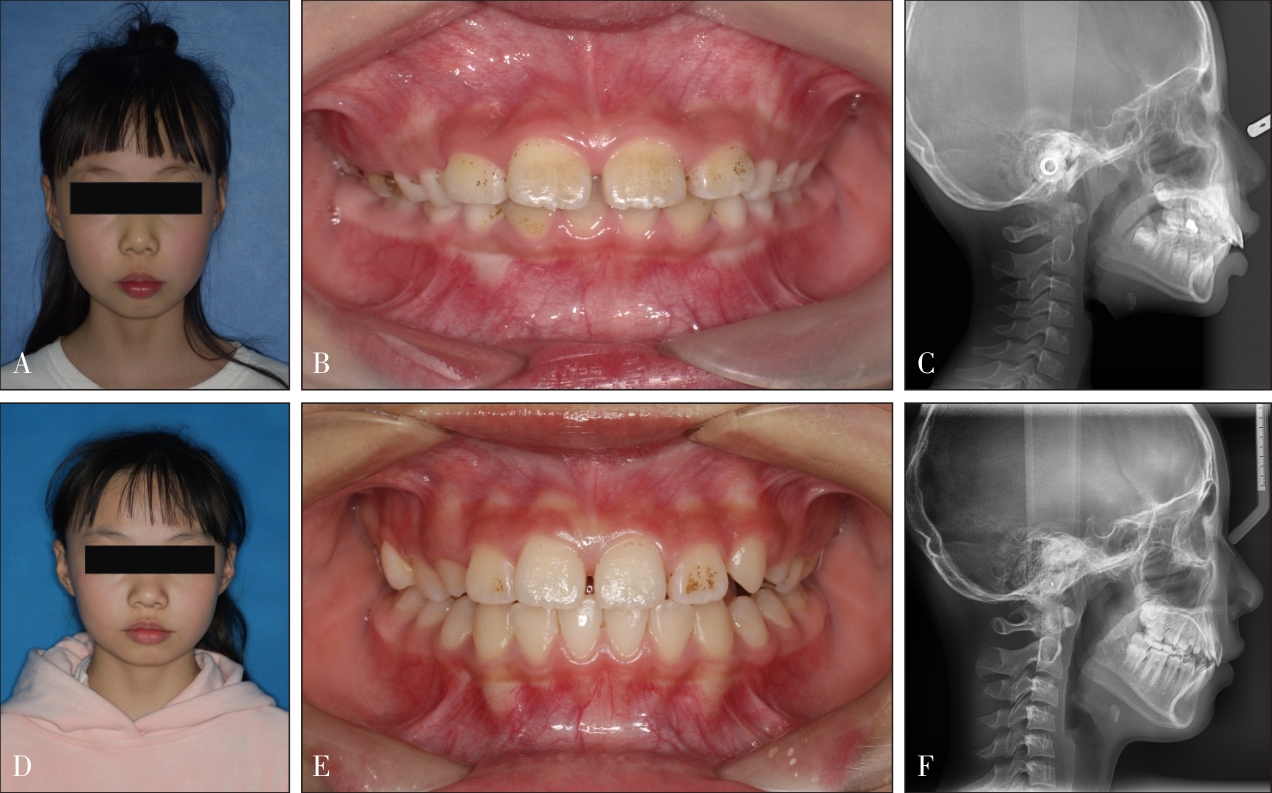
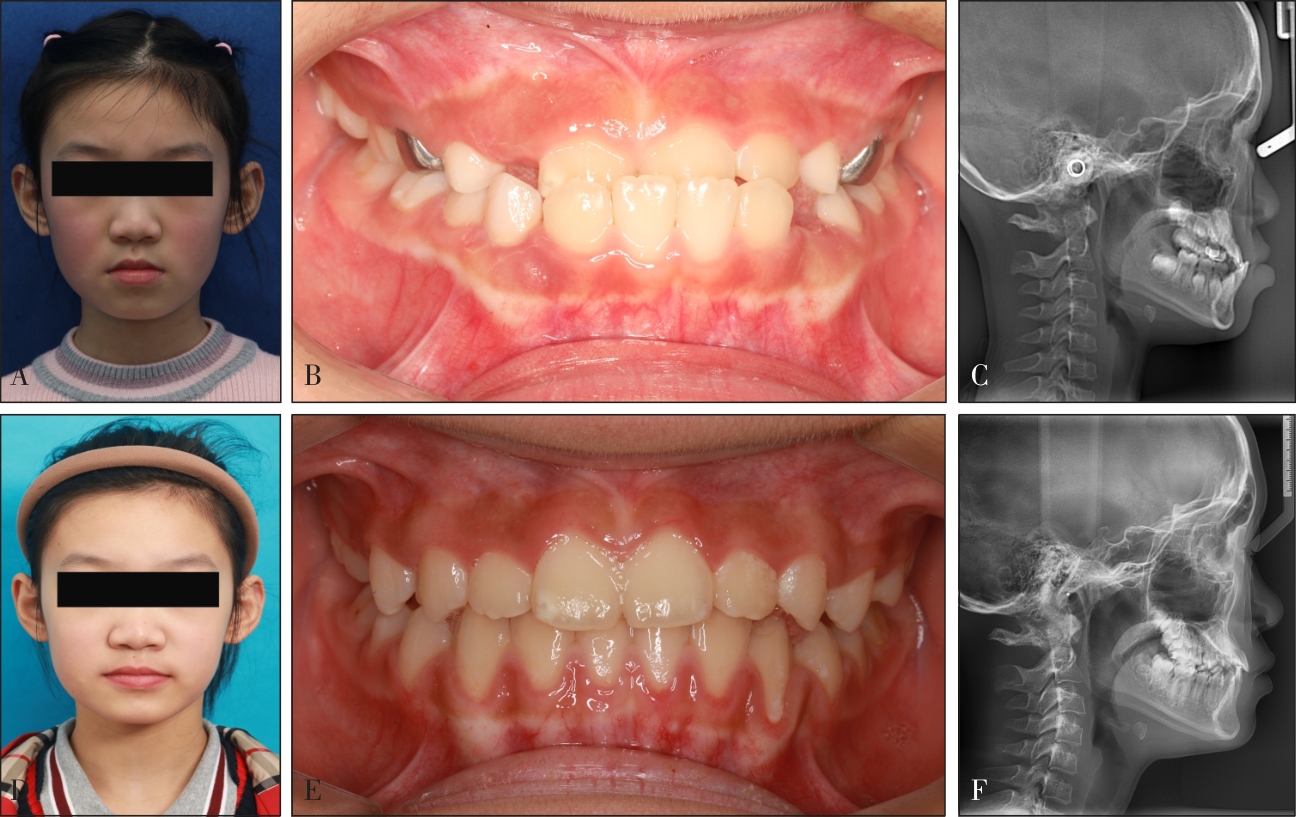
Fig 2

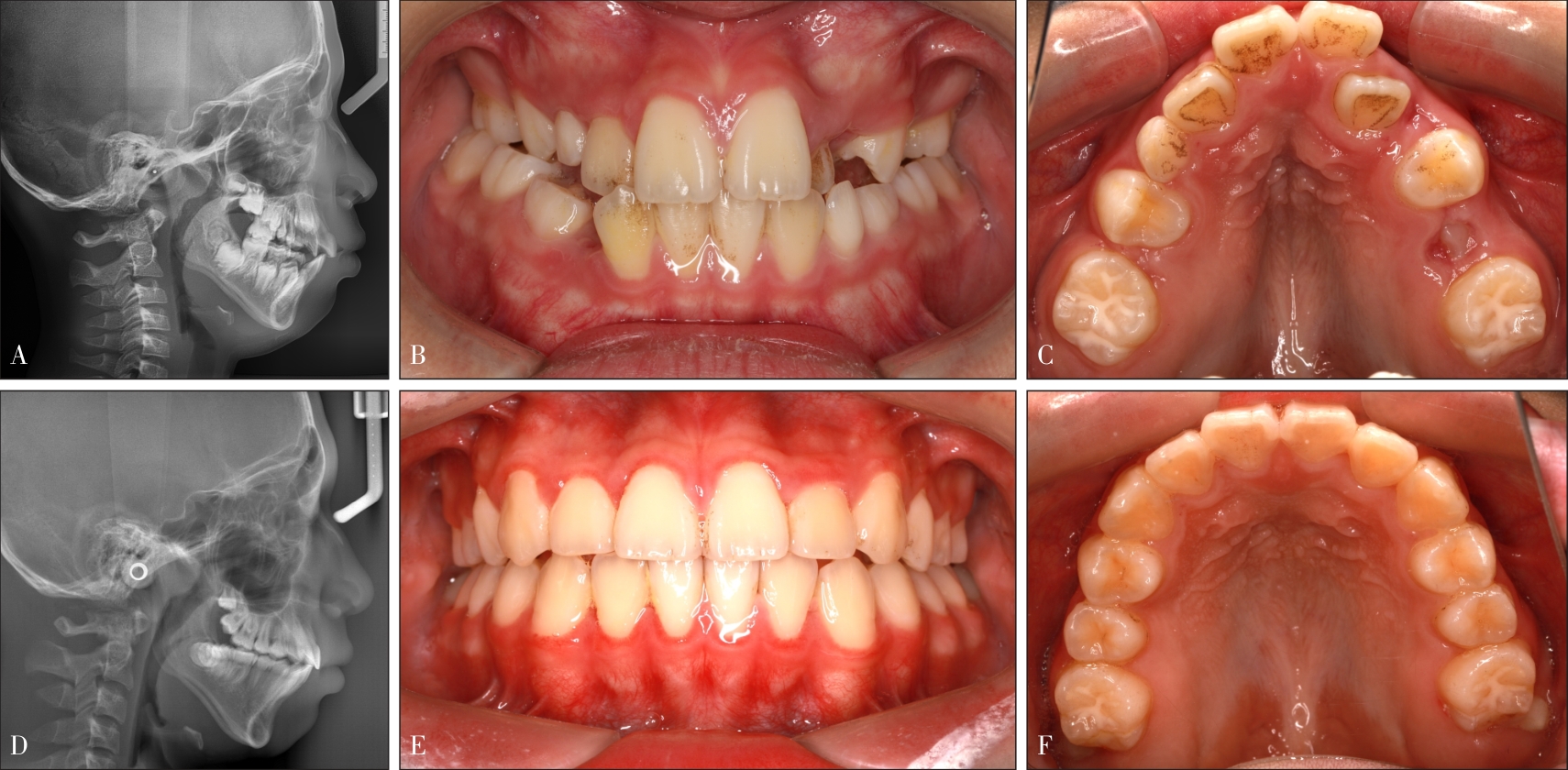
Patients with a skeletal high-angle Class Ⅲ malocclusion due to cranial and cranio-base developmental abnormalities"

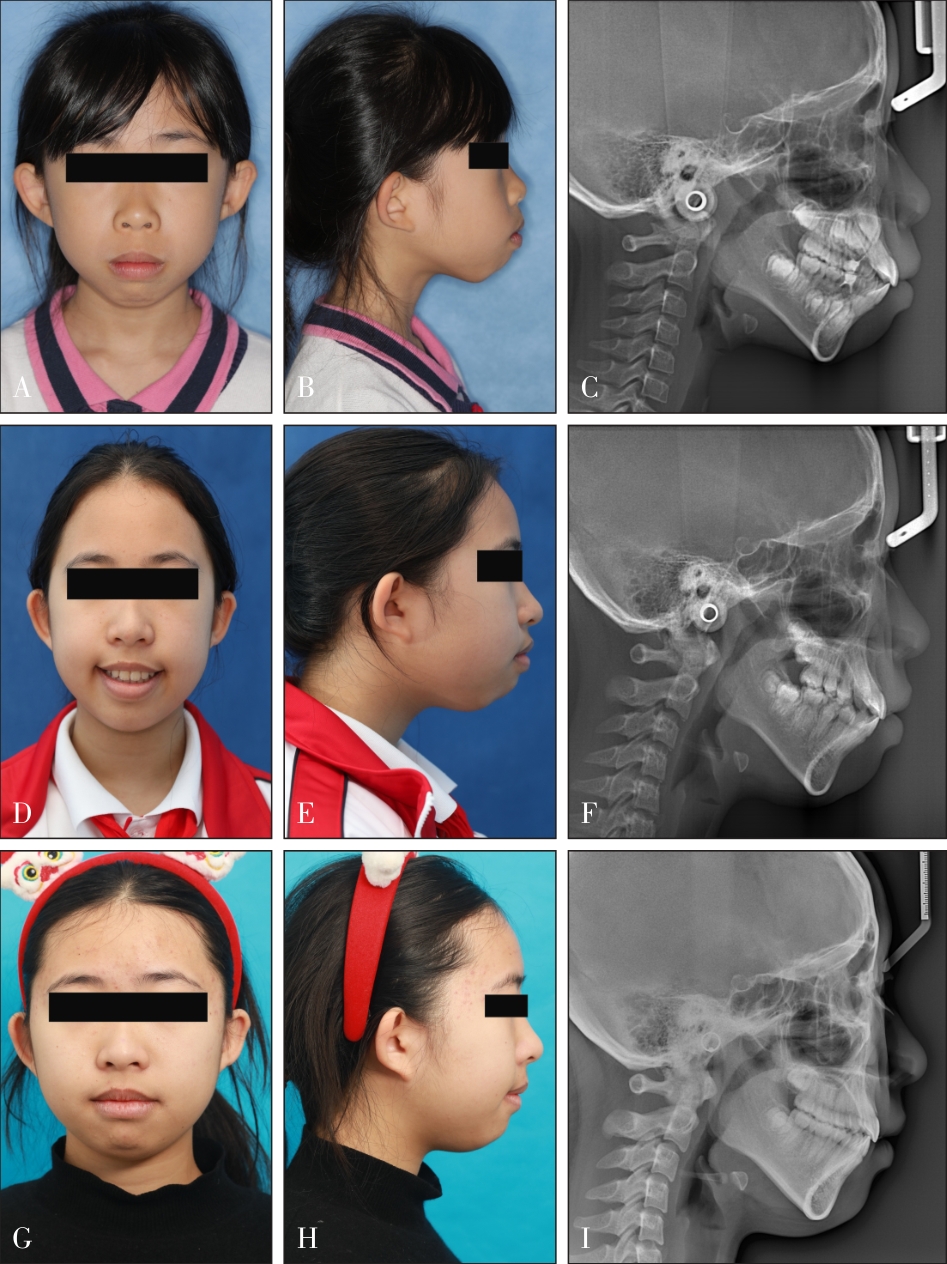
Fig 3

Type Ⅰ functional regulator (FRⅠ) corrects a skeletal Class Ⅱ protrusive malocclusion"

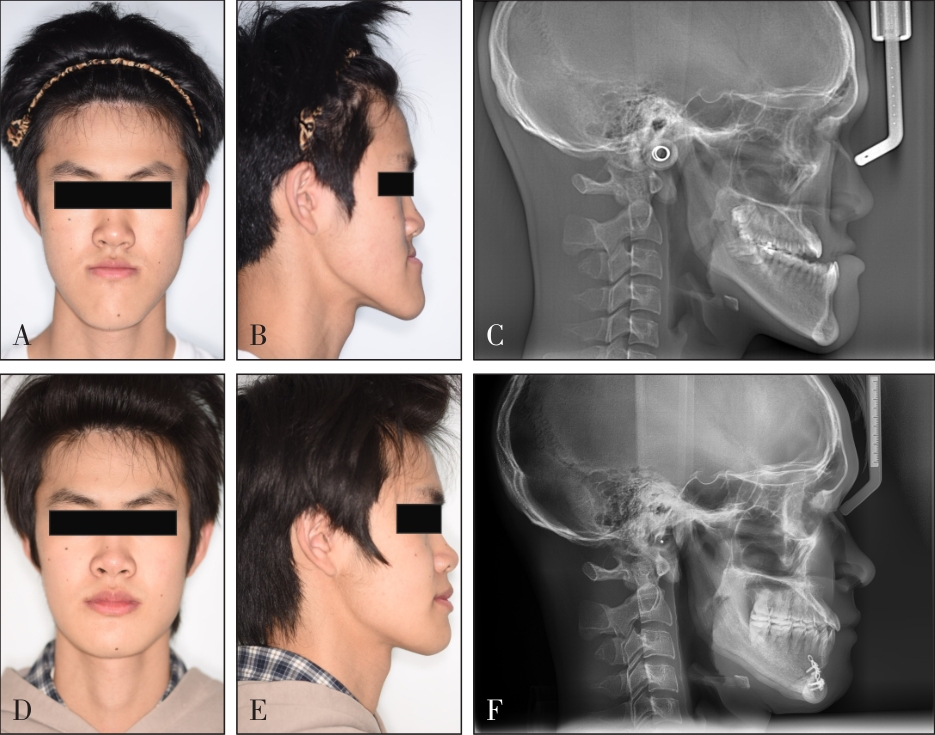
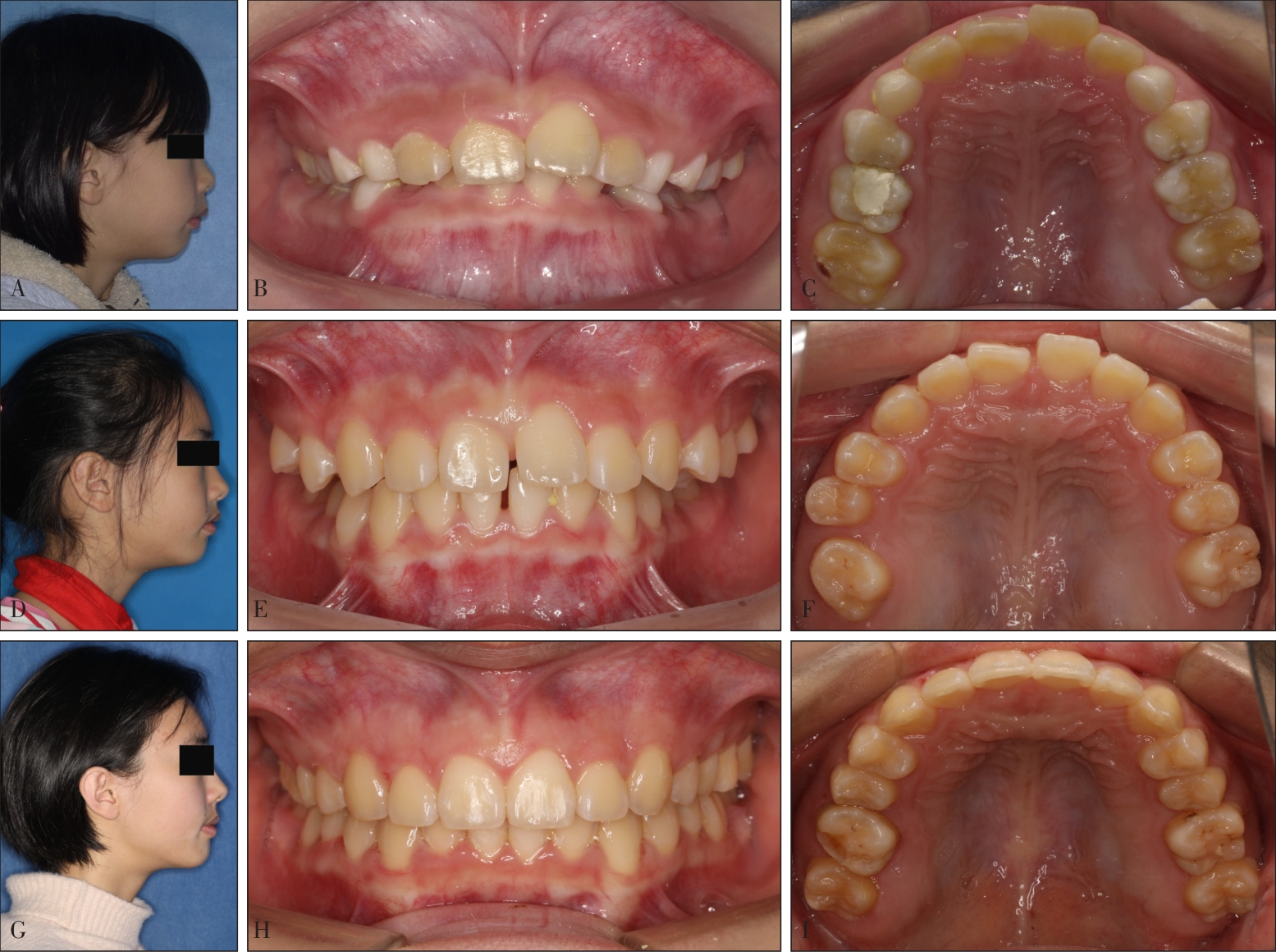
Fig 4

Patients with functional Class Ⅱ malocclusion accompanied with a narrowed upper arch and no obvious abnormal cranial development"

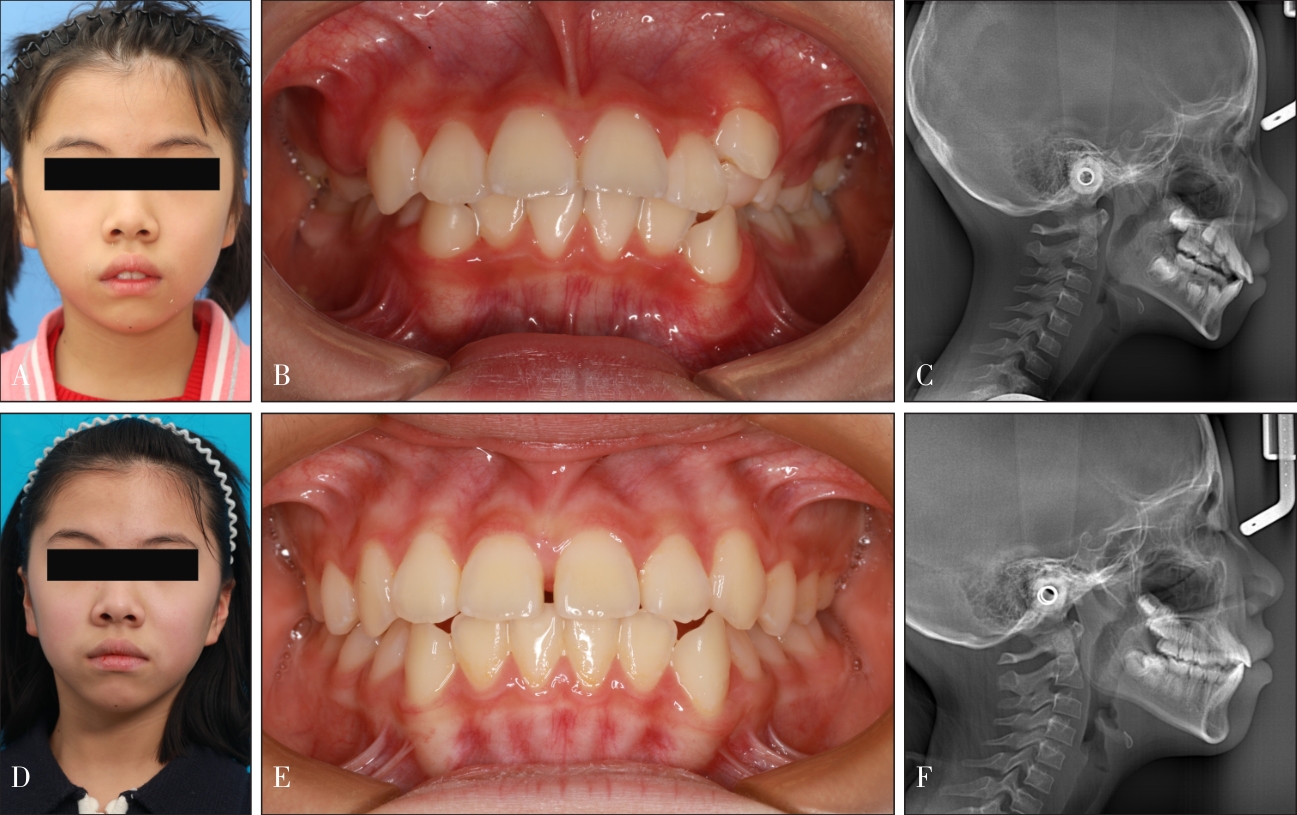
Fig 5

Type Ⅲ functional regulator (FR Ⅲ) for a skeletal Class Ⅲ malocclusion"

Fig 6

For early orthodontic treatment of patients with a high-angle convex profile"

Fig 7

Early plastic orthodontic treatment for malocclusion in children can improve/correct mild dental crowding and misaligned midlines in both upper and lower jaws"

Fig 8

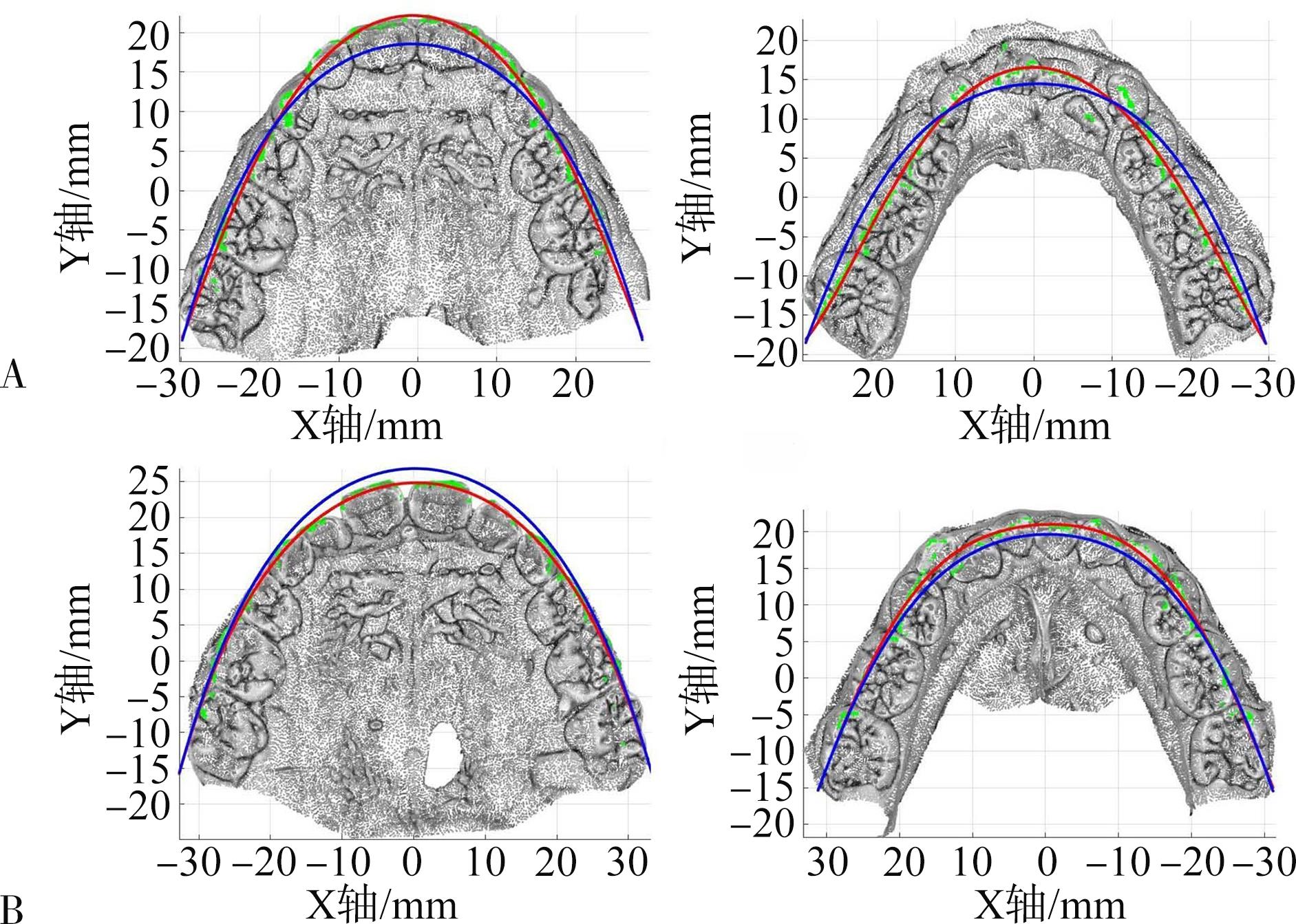
Analysis of changes of upper and lower arches before and after early slow palatal expansion in an 8-year-old child using the LILUO digital intelligent system"

Fig 9

Children with adenoidal hypertrophy with the narrow upper dental arch"

Fig 10

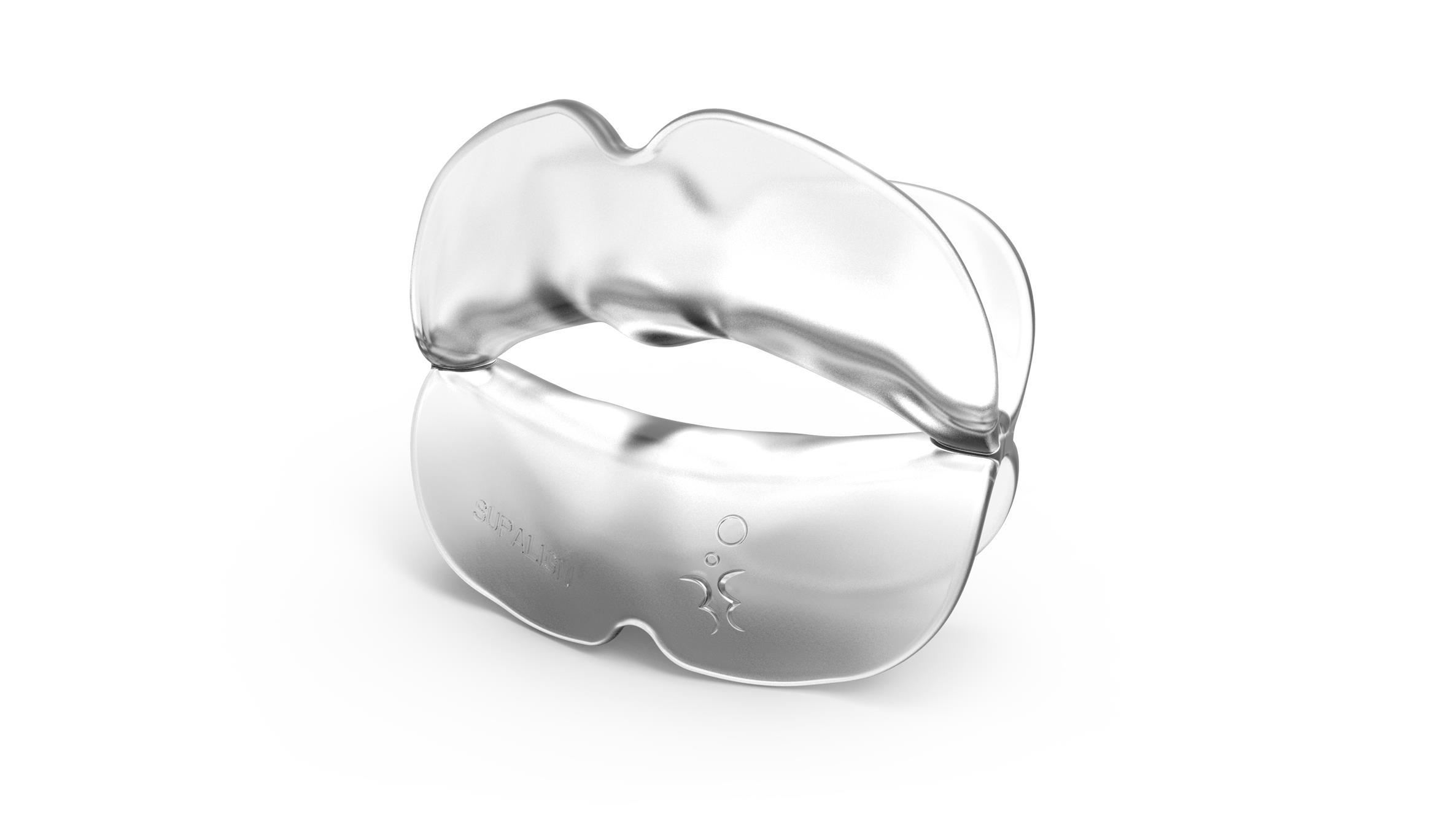
The oral-functional trainer: “frog mouth”"

Fig 11

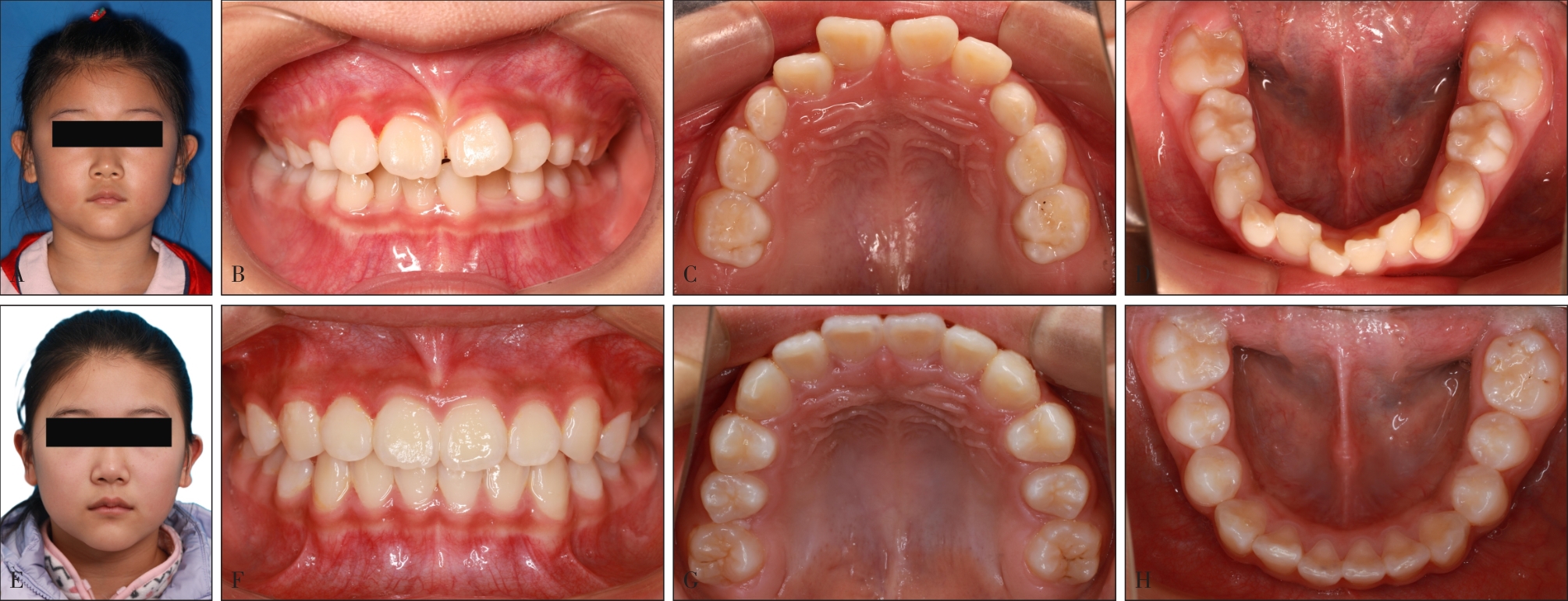
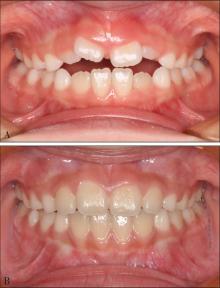
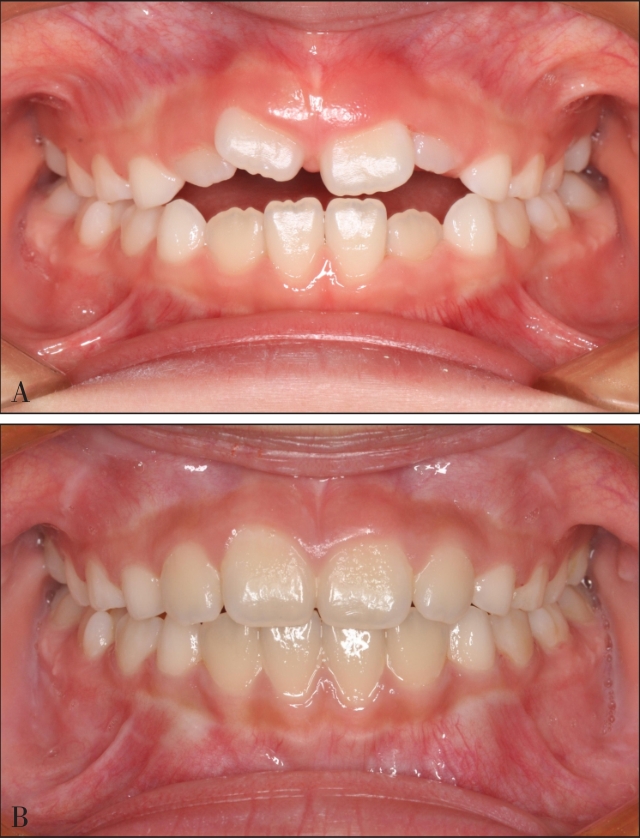
Children with anterior open bite and mild crowding, early (7- year-old) arch expansion assisted by“frog mouth”to block abnormal tongue-thrusting swallowing"

[1] Proffit WR, Fields HW, Larson BE, 等. 当代口腔正畸学(第6版)[M]. 王林, 严斌, 译. 南京: 江苏凤凰科学技术出版社, 2021.
Proffit WR, Fields HW, Larson BE, et al. Contemporary orthodontics (6th edition)[M]. Wang L, Yan B, translate. Nanjing: Jiangsu Phoenix Science and Technology Press, 2021.
[2] Enlow DH, Hans MG. 颅面生长发育学(第2版)[M]. 林久祥, 译. 北京: 北京大学医学出版社, 2012.
Enlow DH, Hans MG. Essentials of facial growth (2nd edition)[M]. Lin JX, translate. Beijing: Peking University Medical Press, 2012.
[3] Aboudara C, Hatcher D, Nielsen I, et al. A three-dimensional evaluation of the upper airway in adolescents[J]. Orthod Craniofac Res, 2003, 6(s1): 173-175.
[4] Baumrind S. Integrated three-dimensional craniofacialmapping: background, principles, and perspectives[J]. Semin Orthod, 2001, 7(4): 223-232.
[5] Sanggarnjanavanich S, Sekiya T, Nomura Y, et al. Cranial-base morphology in adults with skeletal Class Ⅲ malocclusion[J]. Am J Orthod Dentofacial Orthop, 2014, 146(1): 82-91.
[6] de Almeida KCM, Raveli TB, Vieira CIV, et al. Influence of the cranial base flexion on Class Ⅰ, Ⅱ and Ⅲ malocclusions: a systematic review[J]. Dent Press J Orthod, 2017, 22(5): 56-66.
[7] Festa P, Mansi N, Varricchio AM, et al. Association between upper airway obstruction and malocclusion in mouth-breathing children[J]. Acta Otorhinolaryngol Ital, 2021, 41(5): 436-442.
[8] Patil GV, Lakhe P, Niranjane P. Maxillary expansion and its effects on circummaxillary structures: a review[J]. Cureus, 2023, 15(1): e33755.
[9] Lin LZ, Zhao TT, Qin DC, et al. The impact of mouth breathing on dentofacial development: a concise review[J]. Front Public Health, 2022, 10: 929165.
[10] Bastir M, Rosas A, O'Higgins P. Craniofacial levels and the morphological maturation of the human skull[J]. J Anat, 2006, 209(5): 637-654.
[11] Kluemper GT, Spalding PM. Realities of craniofacial growth modification[J]. Atlas Oral Maxillofac Surg Clin North Am, 2001, 9(1): 23-51.
[12] 瞿然奕, 汪席均, 江凌勇. 垂直向控制在矫正成人骨性Ⅱ类高角错𬌗畸形应用中的研究进展[J]. 中国口腔颌面外科杂志, 2021, 19(3): 284-288.
Qu RY, Wang XJ, Jiang LY. Vertical control app-liance in treatment of skeletal Class Ⅱ hyperdivergent adult patients: review of the literature[J]. China J Oral Maxillofac Surg, 2021, 19(3): 284-288.
[13] 李小兵. 牙弓/牙槽骨弓的塑形矫治——基于牙弓形态发育不良的儿童错𬌗畸形诊断与阻断治疗[J]. 华西口腔医学杂志, 2016, 34(6): 556-563.
Li XB. Dental alveolar bone and dental arch remo-deling in children: orthodontic diagnosis and treatments based on individual child arch development[J]. West China J Stomatol, 2016, 34(6): 556-563.
[14] Luo JQ, Liu TQ, Wang Y, et al. The association between dental and dentoalveolar arch forms of children with normal occlusion and malocclusion: a cross-sectional study[J]. BMC Oral Health, 2024, 24(1): 731.
[15] Luo JQ, Ma YX, Ma YW, et al. Dynamic changes in dental arches during growth and development: clinical applications and implications[J]. Clin Oral Investig, 2025, 29(5): 281-289.
[16] Behrents RG, Shelgikar AV, Conley RS, et al. Obstructive sleep apnea and orthodontics: an American Association of Orthodontists White Paper[J]. Am J Orthod Dentofacial Orthop, 2019, 156(1): 13-28.e1.
[17] 赵婷婷, 贺红. 儿童口呼吸相关错𬌗畸形的早期矫治[J]. 中华口腔医学杂志, 2024, 59(9): 892-897.
Zhao TT, He H. Early orthodontic treatment of mouth breathing related to malocclusion in children[J]. Chin J Stomatol, 2024, 59(9): 892-897.
[18] Fellus P. Innovative rehabilitation for orofacial pra-xis[J]. Int Dent J, 2021, 71: S37.
[19] Begg PR. Stone age man's dentition[J]. Am J Orthod, 1954, 40(4): 298-312.
[20] Corruccini RS. An epidemiologic transition in dental occlusion in world populations[J]. Am J Orthod, 1984, 86(5): 419-426.
[21] Corruccini RS. Australian aboriginal tooth succession, interproximal attrition, and Begg's theory[J]. Am J Orthod Dentofacial Orthop, 1990, 97(4): 349-357.
[22] Varrela J. Masticatory function and malocclusion: a clinical perspective[J]. Semin Orthod, 2006, 12(2): 102-109.
[23] Defabianis P, Carli E, Cogo C, et al. Mechanics of facial growth in young patients[J]. Eur J Paediatr Dent, 2022, 23(4): 288-290.
[1] Weiran Li. Outcome of alveolar cleft bone grafting and presurgical orthodontic intervention [J]. Int J Stomatol, 2026, 53(6): 787-797.
[2] Siying Liu,Jie Gao. Exploration of the application of Andrews’ six elements in orthognathic surgery planning [J]. Int J Stomatol, 2026, 53(6): 810-820.
[3] Shuxian Yang,Peipei Duan. Research progress and intervention strategies in the prevention and treatment of orthodontically induced root resorption [J]. Int J Stomatol, 2026, 53(6): 945-954.
[4] Luwei Liu,Bin Yan. Research progress in the intelligent cephalometric analysis of three-dimensional craniomaxillofacial soft and hard tissues [J]. Int J Stomatol, 2026, 53(5): 615-623.
[5] Xiaoyu Zhu,Xiaoyu Cheng,Mengxiao Liu,Ran Li,Linna Wang,Yan Hou. Research progress in the application of artificial intelligence to orthodontic diagnosis and treatment [J]. Int J Stomatol, 2026, 53(5): 667-675.
[6] Sijia Zhang,Xiaolin Lu,Xiujuan Zhu. Research progress of directing three-dimensional printing technology in dental clear aligners [J]. Int J Stomatol, 2026, 53(5): 683-688.
[7] Yue Qu,Huan Jiang,Yue Sun,Chengjing Xu,Min Hu. Research progress of nanoparticles in the prevention of enamel demineralization during orthodontics [J]. Int J Stomatol, 2026, 53(5): 742-752.
[8] Jingjing Yu,Huanhuan Zhang,Xinlei Liu,Danchen Qin,Tingting Zhao,Fang Hua. Research progress in the impact of orthodontic interproximal enamel reduction on teeth and periodontium [J]. Int J Stomatol, 2026, 53(3): 424-432.
[9] Yanmei Huang,Xinyi Fang,Xiaoxia Feng. Research progress on maxillary protraction facial mask combined with alternate rapid maxillary expansion and contraction for skeletal Class Ⅲ malocclusion [J]. Int J Stomatol, 2026, 53(2): 281-290.
[10] Xuanchen Su,Yijia Dong,Yuwen Shi,Yali Liu. Research progress of mechanosensitive receptors in orthodontic tooth movement [J]. Int J Stomatol, 2026, 53(1): 10-18.
[11] Ao Yu,Guangli Han. Development of bone-anchored maxillary protraction for the orthopedic treatment of class Ⅲ malocclusion in growing patients [J]. Int J Stomatol, 2026, 53(1): 19-25.
[12] Jing Lan,Jun Wu. Contrastive analysis of occlusal plane canting among adult patients with average-angle profiles with class Ⅰ, class Ⅱ1, and class Ⅲ malocclusions [J]. Int J Stomatol, 2026, 53(1): 26-35.
[13] Ziwei Tang,Yu Jin,Wenli Lai. Factors influencing the efficiency of maxillary expansion in clear aligner orthodontic treatment [J]. Int J Stomatol, 2025, 52(6): 748-754.
[14] Xinyu Wen, Mo Zhou, Ruolin Ding, Ruiyang Ren, Zhihe Zhao. Progress in the study of oral hygiene maintenance for orthodontic patients with oral irrigators [J]. Int J Stomatol, 2025, 52(6): 755-763.
[15] Jian Zhang, Xue Bai, Xiaoqian He, Zhenlin Ge. Application and research progress of multimodal data fusion in orthodontics [J]. Int J Stomatol, 2025, 52(6): 764-770.
Viewed
Full text


Abstract

Cited

  Shared   
  Discussed   
[1] . [J]. Foreign Med Sci: Stomatol, 2003, 30(05): 381 -383 .
[2] SHAO Mei -ying, ZHENG Guang -ning, HU Tao. Root canal therapy for taurodontism: A case report and literature review[J]. Inter J Stomatol, 2009, 36(3): 288 -290 .
[3] . [J]. Foreign Med Sci: Stomatol, 2004, 31(06): 452 -454 .
[4] . [J]. Foreign Med Sci: Stomatol, 2006, 33(03): 234 -236 .
[5] Zhao Wei, Yu Danni.. Research progress on the regulation of spx protein[J]. Inter J Stomatol, 2012, 39(6): 786 -789 .
[6] ZHANG Ming - zhu, LIANG Jing - ping. Resear ch advance of or al pathogens and atherosclerosis[J]. Inter J Stomatol, 2008, 35(1): 22 -25 .
[7] LI Qi, SU Jian-sheng. Disputes of ferrule effect[J]. Inter J Stomatol, 2009, 36(6): 719 -722 .
[8] Li Jianhua, Lin Xinping.. Histological changes on damage of the roots and surrounding structures with miniscrew implants[J]. Inter J Stomatol, 2012, 39(2): 277 -280 .
[9] ZHOU Xiang -xiang, LIU Lai-kui. Mechanism of tumor microenvironment and epithelial -mesenchymal transition[J]. Inter J Stomatol, 2010, 37(01): 45 -47 .
[10] . Preliminary study of screening oral bacteria producing hydrogen sulfide by cotton balls with lead acetate[J]. Inter J Stomatol, 2010, 37(5): 507 -510 .