Int J Stomatol ›› 2026, Vol. 53 ›› Issue (2): 189-196.doi: 10.7518/gjkq.2026211

• Original Articles • Previous Articles     Next Articles

Preliminary study on the expression pattern and function of β-1,4-N-acetyl-galactosaminyltransferase 4 in head and neck squamous cell carcinoma

Ming Liu(),Yanting Zhou,Jing Li()   

  1. State Key Laboratory of Oral Diseases & National Center for Stomatology & National Clinical Research Center for Oral Diseases & Chinese Academy of Medical Sciences Research Unit of Oral Carcinogenesis and Management, West China Hospital of Stomatology, Sichuan University, Chengdu 610041, China
  • Received:2024-09-29 Revised:2025-09-27 Online:2026-03-01 Published:2026-02-13
  • Contact: Jing Li E-mail:liu01and0304@163.com;lijing1984@scu.edu.cn
  • Supported by:
    National Natural Science Foundation of China(82273320)

Abstract:

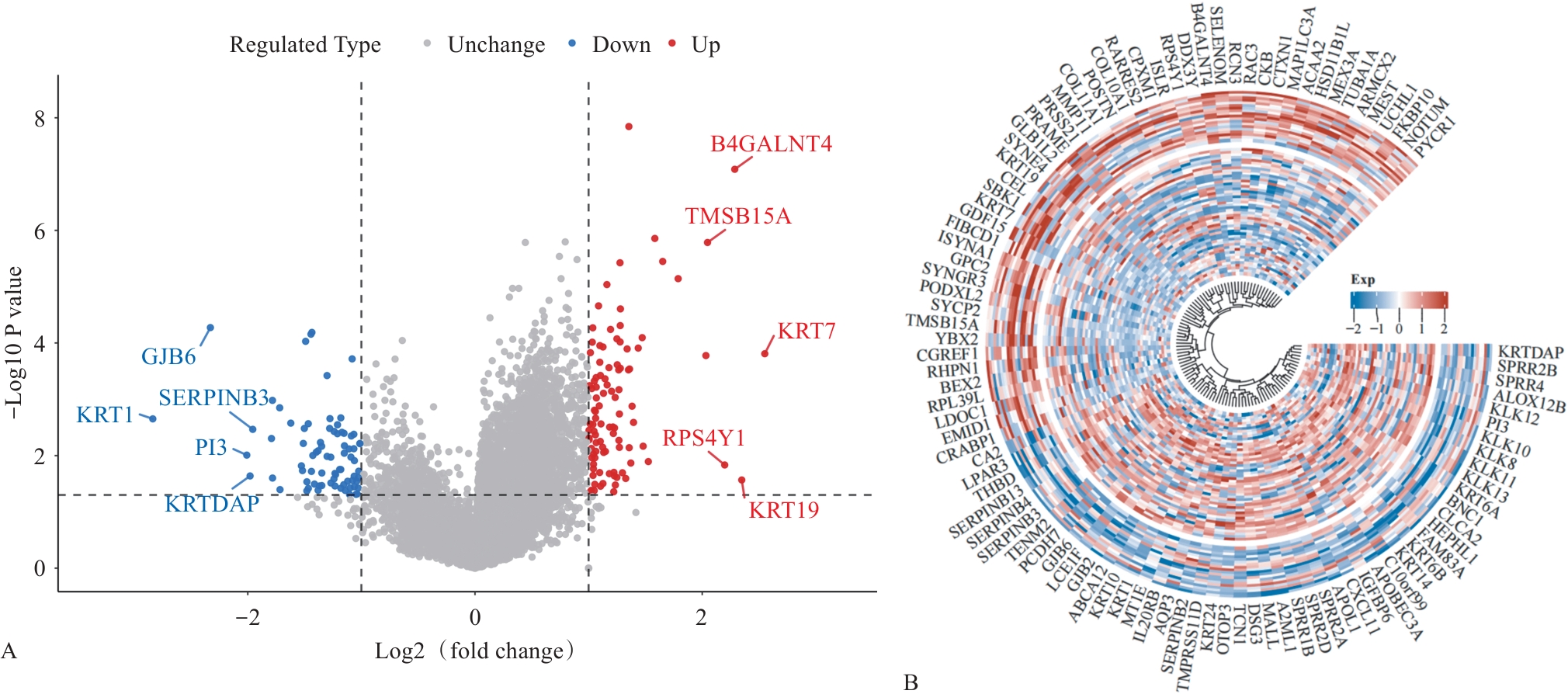
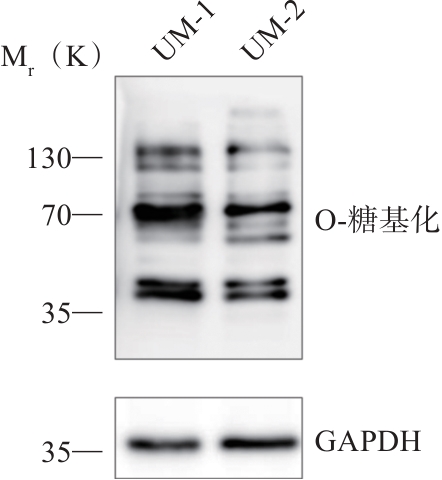
Objective To screen differentially expressed genes in metastatic and non-metastatic head and neck squamous cell carcinoma (HNSCC) tissues using bioinformatics technology analysis, and to predict potential key genes. Methods Related data from 19 cases of metastatic HNSCC and 48 cases of non-metastatic HNSCC with clear information were obtained from the Cancer Genome Atlas dataset. The upregulated and downregulated differentially expressed genes in metastatic and non-metastatic HNSCC tissues were screened using bioinformatics technology analysis. Subsequent analysis included cluster analysis, Kyoto Encyclopedia of Genes and Genomes analysis, and gene onto-logy analysis. Results indicate that β-1,4-N-acetyl-galactosaminyltransferase (B4GALNT4) was selected as a key gene due to its smallest “adjusted P value.” This gene was verified at the cellular level using quantitative reverse transcription-polymerase chain reaction and Western Blot. Results Compared with non-metastatic HNSCC tissues, 76 genes were significantly downregulated and 99 genes were significantly upregulated in the metastatic HNSCC tissues. Among which, the B4GALNT4 gene expression was found to be the most significantly upregulated. Cellular-level experiments revealed that, compared to UM-2 cells with weak metastasis capability, the mRNA and protein expression levels of B4GALNT4 in UM-1 cells with strong metastasis capability were significantly higher (P<0.05). In addition, the level of protein O-glycosylation in UM-1 cells was also significantly increased in UM-1 cells compared to UM-2 cells (P<0.05). Conclusion B4GALNT4 is upregulated in metastatic HNSCC tissues and cells, and its expression is positively correlated with the level of protein glycosylation. Therefore, B4GALNT4 is a potentially new target for the prevention and treatment of tumor metastasis.

Key words: head and neck squamous cell carcinoma, metastasis, β-1,4-N-acetyl-galactosaminyltransferase, glycosylation

CLC Number: 

  • R739.8

TrendMD: 

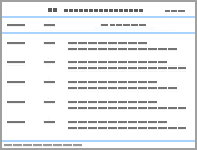
Tab 1

Baseline information of the samples"

特征转移型(n=19)非转移型(n=48)
性别1831
117
年龄/岁61.264.3
吸烟1136
812
B4GALNT4表达水平1612
336
临床分期05
04
19
1830

Tab 2

Sequences of the primers for qRT-PCR"

名称引物序列
B4GALNT4正向:5’-CTACGGGCGAGATGGTGAG-3’
反向:5’-CTCAGCCCTCTGTGTGGATG-3’
GAPDH正向:5’-GCAAGCACAGAGTTGGATGA-3’
反向:5’-CTGGCGTAGGGAGTTCAGAG-3’

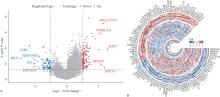
Fig 1

Differentially expressed genes in metastatic and non-metastatic HNSCC"

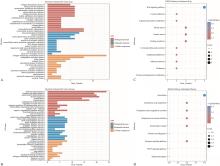
Fig 2

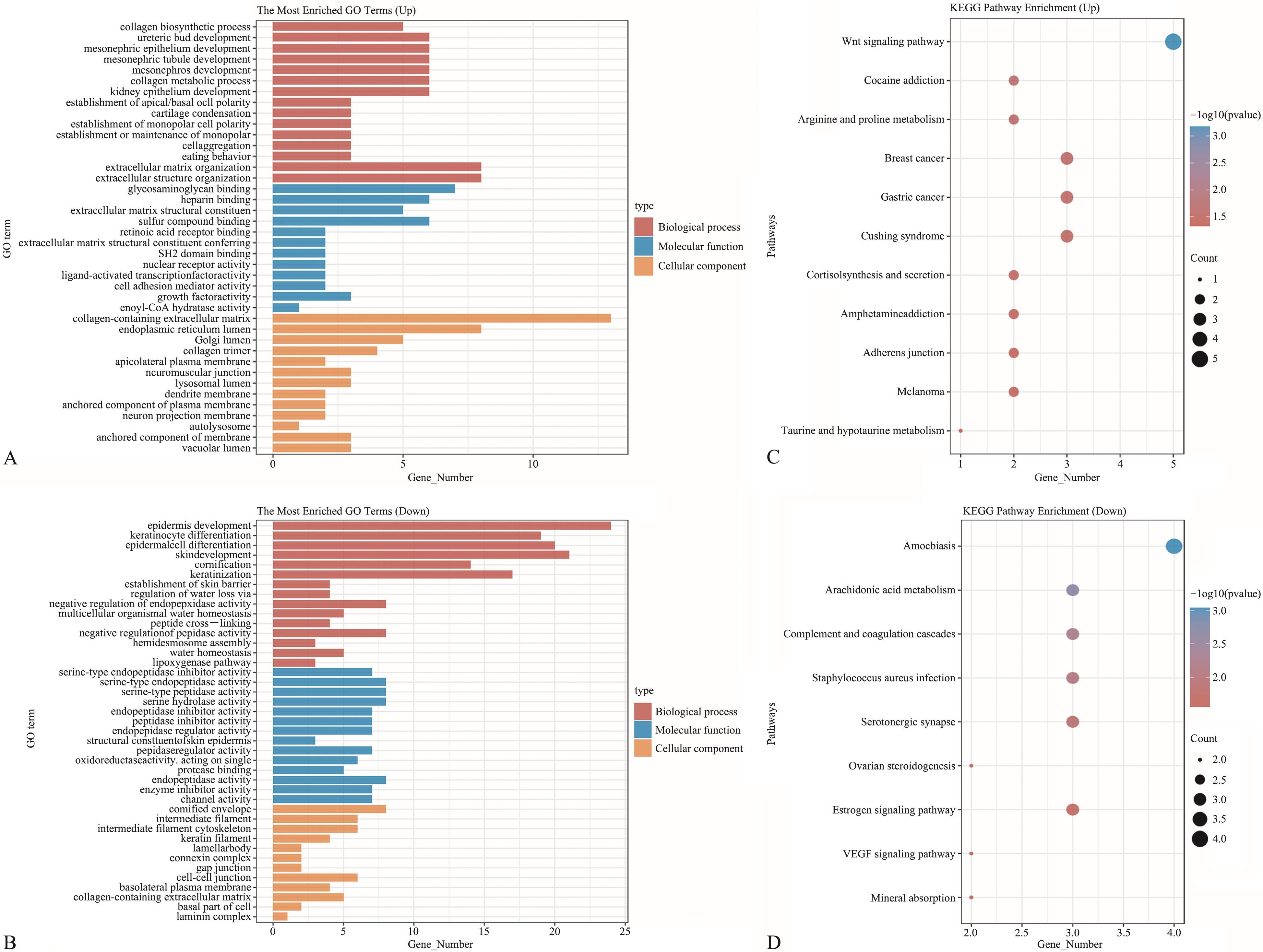
GO enrichment and KEGG pathway analysis of differentially expressed genes"

Fig 3

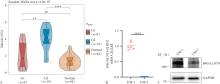
Expression of B4GALNT4 in HNSCC metastatic cell lines"

Fig 4

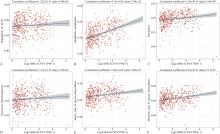
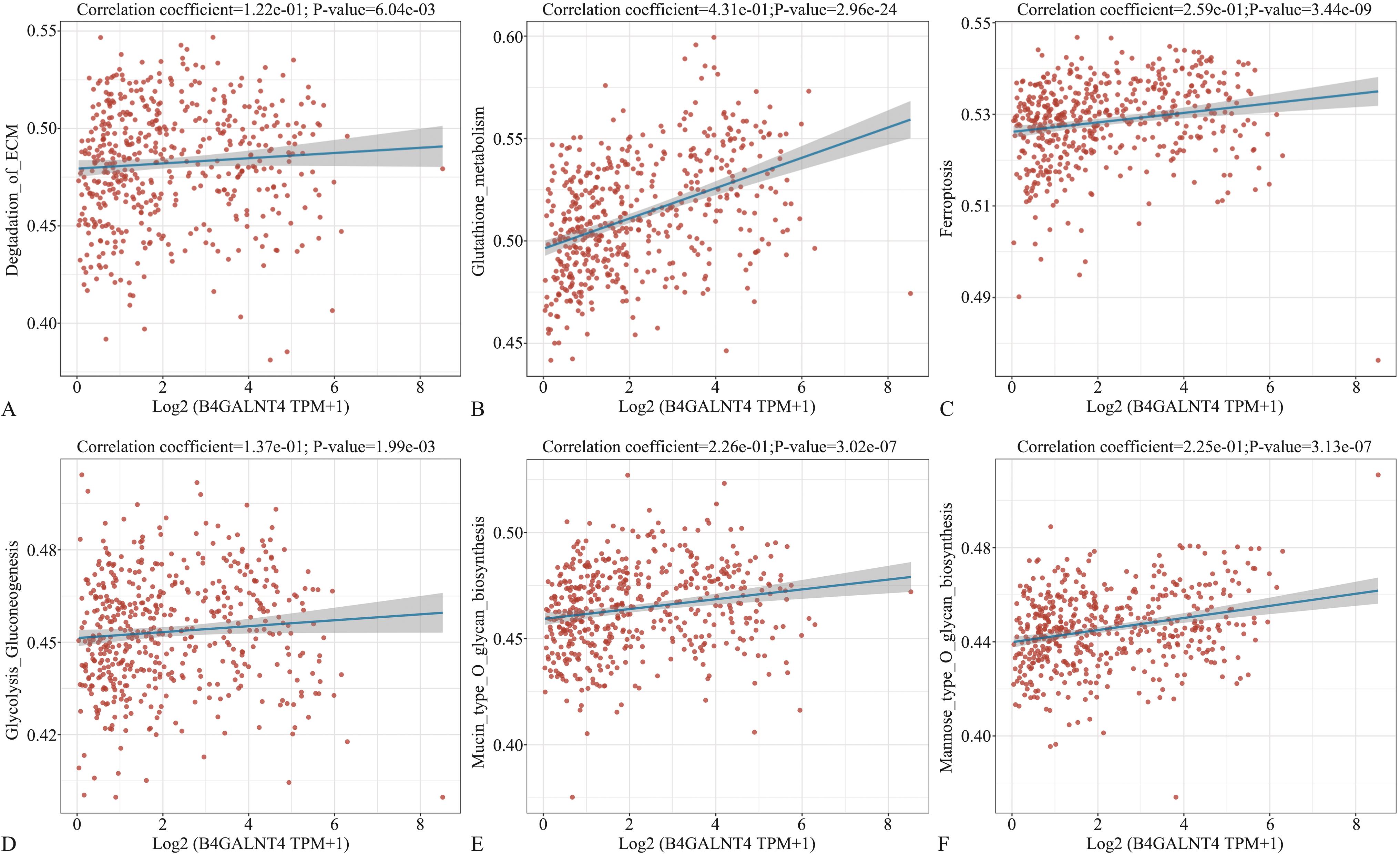
Correlation between B4GALNT4 and signaling pathways"

Fig 5

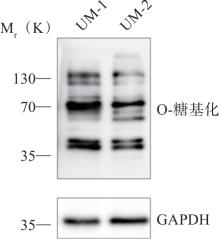
The expression level of protein O-glycosylation in HNSCC cell lines"

[1] Wu K, Sun Q, Liu D, et al. Alternative splicing landscape of head and neck squamous cell carcinoma[J]. Technol Cancer Res Treat, 2024, 23: 153303382412-72051.
[2] Jiménez-Labaig P, Rullan A, Braña I, et al. Intratumoral therapies in head and neck squamous cell carcinoma: a systematic review and future perspectives[J]. Cancer Treat Rev, 2024, 127: 102746.
[3] Afshari K, Sohal KS. Potential alternative therapeutic modalities for management head and neck squamous cell carcinoma: a review[J]. Cancer Control, 2023, 30: 10732748231185003.
[4] Ruffin AT, Li H, Vujanovic L, et al. Improving head and neck cancer therapies by immunomodulation of the tumour microenvironment[J]. Nat Rev Cancer, 2023, 23(3): 173-188.
[5] Gong Y, Bao L, Xu T, et al. The tumor ecosystem in head and neck squamous cell carcinoma and advan-ces in ecotherapy[J]. Mol Cancer, 2023, 22(1): 68.
[6] Liu JC, Bhayani M, Kuchta K, et al. Patterns of distant metastasis in head and neck cancer at presentation: implications for initial evaluation[J]. Oral Oncol, 2019, 88: 131-136.
[7] 张闳博, 韩伟. 头颈部鳞状细胞癌中蛋白质翻译后修饰的研究进展[J] . 中华口腔医学杂志, 2020, 55(10): 789-793.
Zhang HB, Han W. Research progress in protein post-translational modification in head and neck squamous cell carcinoma[J]. Chin J Stomatol, 2020, 55(10): 789-793.
[8] Li W, Li F, Zhang X, et al. Insights into the post-translational modification and its emerging role in shaping the tumor microenvironment[J]. Signal Transduct Target Ther, 2021, 6(1): 422.
[9] Bilbrough T, Piemontese E, Seitz O. Dissecting the role of protein phosphorylation: a chemical biology toolbox[J]. Chem Soc Rev, 2022, 51(13): 5691-5730.
[10] Geffen Y, Anand S, Akiyama Y, et al. Pan-cancer analysis of post-translational modifications reveals shared patterns of protein regulation[J]. Cell, 2023, 186(18): 3945-3967.e26.
[11] Eichler J. Protein glycosylation[J]. Curr Biol, 2019, 29(7): R229-R231.
[12] Yuan H, Wu X, Wu Q, et al. Lysine catabolism reprograms tumour immunity through histone crotonylation[J]. Nature, 2023, 617(7962): 818-826.
[13] Zhang D, Tang Z, Huang H, et al. Metabolic regulation of gene expression by histone lactylation[J]. Nature, 2019, 574(7779): 575-580.
[14] Schjoldager KT, Narimatsu Y, Joshi HJ, et al. Glo-bal view of human protein glycosylation pathways and functions[J]. Nat Rev Mol Cell Biol, 2020, 21(12): 729-749.
[15] Lin MC, Huang MJ, Liu CH, et al. GALNT2 enhances migration and invasion of oral squamous cell carcinoma by regulating EGFR glycosylation and activity[J]. Oral Oncol, 2014, 50(5): 478-484.
[16] Zhang J, Jiang S, Gu D, et al. Identification of novel molecular subtypes and a signature to predict prognosis and therapeutic response based on cuproptosis-related genes in prostate cancer[J]. Front Oncol, 2023, 13: 1162653.
[17] Baba H, Kanda M, Sato Y, et al. Expression and malignant potential of B4GALNT4 in esophageal squamous cell carcinoma[J]. Ann Surg Oncol, 2020, 27(9): 3247-3256.
[18] Bugshan A, Farooq I. Oral squamous cell carcinoma: metastasis, potentially associated malignant disorders, etiology and recent advancements in diagnosis[J]. F1000Res, 2020, 9: 229.
[19] Chen L, Liu S, Tao Y. Regulating tumor suppressor genes: post-translational modifications[J]. Signal Transduct Target Ther, 2020, 5(1): 90.
[20] Carnielli CM, Melo de Lima Morais T, Malta de Sá Patroni F, et al. Comprehensive glycoprofiling of oral tumors associates N-glycosylation with lymph node metastasis and patient survival[J]. Mol Cell Proteomics, 2023, 22(7): 100586.
[21] Chen JT, Chen CH, Ku KL, et al. Glycoprotein B7-H3 overexpression and aberrant glycosylation in oral cancer and immune response[J]. Proc Natl Acad Sci U S A, 2015, 112(42): 13057-13062.
[22] Chen YT, Chong YM, Cheng CW, et al. Identification of novel tumor markers for oral squamous cell carcinoma using glycoproteomic analysis[J]. Clin Chim Acta, 2013, 420: 45-53.
[23] Vajaria BN, Patel KA, Patel PS. Role of aberrant glycosylation enzymes in oral cancer progression[J]. J Carcinog, 2018, 17: 5.
[24] Chiang WF, Cheng TM, Chang CC, et al. Carcinoembryonic antigen-related cell adhesion molecule 6 (CEACAM6) promotes EGF receptor signaling of oral squamous cell carcinoma metastasis via the complex N-glycosylation[J]. Oncogene, 2018, 37(1): 116-127.
[25] Sinevici N, Mittermayr S, Davey GP, et al. Salivary N-glycosylation as a biomarker of oral cancer: a pilot study[J]. Glycobiology, 2019, 29(10): 726-734.
[26] Guu SY, Lin TH, Chang SC, et al. Serum N-glycome characterization and anti-carbohydrate antibody profiling in oral squamous cell carcinoma patients[J]. PLoS One, 2017, 12(6): e0178927.
[27] Hirano K, Matsuda A, Kuji R, et al. Enhanced expression of the β4-N-acetylgalactosaminyltransfe-rase 4 gene impairs tumor growth of human breast cancer cells[J]. Biochem Biophys Res Commun, 2015, 461(1): 80-85.
[28] Gill DJ, Tham KM, Chia J, et al. Initiation of GalNAc-type O-glycosylation in the endoplasmic reti-culum promotes cancer cell invasiveness[J]. Proc Natl Acad Sci U S A, 2013, 110(34): E3152-E3161.
[29] Wu YM, Liu CH, Hu RH, et al. Mucin glycosyla-ting enzyme GALNT2 regulates the malignant cha-racter of hepatocellular carcinoma by modifying the EGF receptor[J]. Cancer Res, 2011, 71(23): 7270-7279.
[1] Qian Wang,Hui Peng,Liyu Zhang,Zongcheng Yang,Yuqi Wang,Yu Pan,Yu Zhou. Application of radiomics in cervical lymph node metastasis of oral squamous cell carcinoma [J]. Int J Stomatol, 2025, 52(4): 507-513.
[2] Yijie Li,Zhenying Yuan,Ming Li. Expression and function of branch-chain amino acid transaminase 1 in oral squamous cell carcinoma [J]. Int J Stomatol, 2025, 52(3): 358-365.
[3] Guanjun Chen,Xiao Fu,Haiyu Xian,Shouda Su,Qitao Wen,Wei Deng,Shigeng Lin,Tao Wang. Retrospective study on the pathological and clinical biological behavior of 133 cases of oral squamous cell carcinomas originated from oral submucous fibrosis [J]. Int J Stomatol, 2024, 51(5): 532-537.
[4] Liu Shiyi, Chen Zhong, Zhang Suxin. Progress in research into programmed death-1/programmed death-ligand 1 immunotherapy strategies in human papillomavirus-positive head and neck squamous cell carcinoma [J]. Int J Stomatol, 2024, 51(1): 21-27.
[5] Liu Jianglong, Tuerdi Maimaitituxun. Progress of contrast-enhanced ultrasound in the diagnosis of cervical lymph node metastasis from oral squamous cell carcinoma [J]. Int J Stomatol, 2023, 50(5): 514-520.
[6] Li Hongfang,Chen Zhong,Zhang Suxin.. Research progress on immune checkpoint inhibitor combined with radiotherapy in head and neck squamous cell carcinoma [J]. Int J Stomatol, 2022, 49(5): 614-620.
[7] Li Shan,Chen Linlin. Treatment of patients with negative cervical lymph nodes in maxillary squamous cell carcinoma [J]. Int J Stomatol, 2021, 48(4): 444-449.
[8] Li Ming,Yuan Zhenying,Nan Xinrong. Correlation between the depth of invasion measured by magnetic resonance imaging and cervical lymph node metastasis in patients with tongue squamous cell carcinoma [J]. Int J Stomatol, 2021, 48(3): 312-317.
[9] Fu Shijin,Zeng Kan,Li Xin,Yang Jing,Wang Chenglin,Ye Ling. Preliminary study on osteoprotegerin/receptor activator of nuclear factor-κB ligand expression in mandible and femur on site selectivity of bone metastasis of lung cancer cells [J]. Int J Stomatol, 2020, 47(5): 538-546.
[10] Zeng Kan,Li Xin,Wang Chenglin,Yang Jing,Ye Ling. Effects of bone microenvironment cells on tumor bone metastasis [J]. Int J Stomatol, 2020, 47(1): 95-101.
[11] Hao Fu,Sun Rui. Research progress on second primary carcinoma of head and neck squamous cell carcinoma [J]. Int J Stomatol, 2019, 46(5): 585-592.
[12] Zhang Xu, Xu Enxin, Ruan Min.. Correlation between Toll-like receptor 9 and head and neck squamous cell carcinoma [J]. Inter J Stomatol, 2017, 44(5): 596-601.
[13] Wu Kailiu, Li Siyi, Zhang Chenping. Lymph node transfer characteristics and clinical assessment and treatment of early tongue squamous cell carcinoma [J]. Inter J Stomatol, 2015, 42(1): 119-122.
[14] Fang Juan, Song Jingjing, Ma Da, Wang Yanqiong, Zhou Fangjing, Wang Zhi. An example for the application of data-mining from Oncomine database in the research of head and neck squamous cell carcinoma [J]. Inter J Stomatol, 2014, 41(6): 647-651.
[15] Yang Zinan, Tang Enyi.. Biomarkers predictive of cervical metastasis in oral squamous cell carcinoma [J]. Inter J Stomatol, 2014, 41(2): 176-179.
Viewed
Full text


Abstract

Cited

  Shared   
  Discussed   
No Suggested Reading articles found!